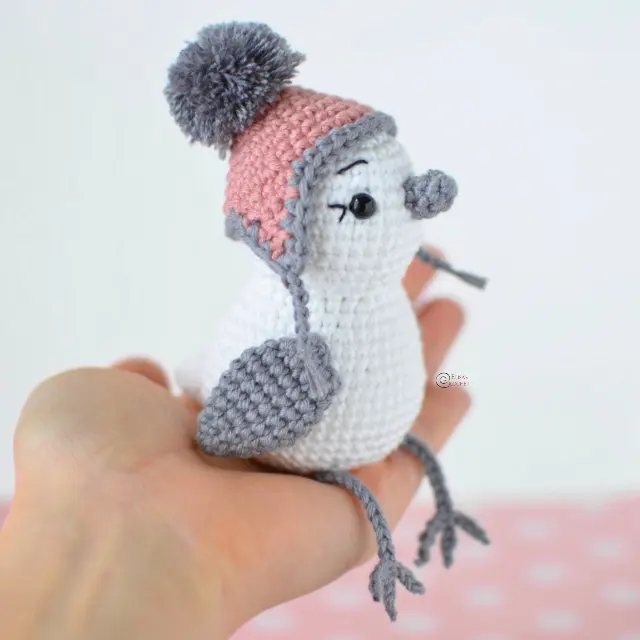
 Free crochet snowbird pattern with a tiny pom-pom beanie
#Winter Crochet
1 ideas
Free crochet snowbird pattern with a tiny pom-pom beanie
Get new #Winter Crochet ideas by email
Every Thursday: the week's best ideas, with the newest from #Winter Crochet.
Related tags
Winter Crochet: A Beginner's Guide to Cosy Cold-Weather Makes
Winter crochet is simply crochet made for the coldest part of the year — the hats, scarves, mittens, blankets and slippers that keep a household warm. It is less a technique than a season, a stretch of months when makers naturally reach for thicker yarn, deeper colours and projects that take a while to finish.
Where it comes from
Crochet as we know it grew out of a long textile tradition of looping thread with a single hook, practised in many parts of the world under different names. Winter pieces sit comfortably within that history: people have always made warm things by hand because hands and hooks were what was available. What has changed is the sheer variety of yarn now on offer, not the impulse to make something warm for someone you love.
The yarns that suit the season
Read more
The single biggest choice in any winter project is fibre. Wool and wool blends are the classic answer — springy, warm even when slightly damp, and forgiving to work with. Alpaca is softer and heavier in the hand. Acrylic is inexpensive, easy to wash and a sensible starting point for gifts and children's items. Blends often give you the best of two fibres at once.
Bulky and chunky weights work up quickly and suit simple stitch patterns. Fingering and sport weights take far longer but produce finer, lighter fabric — worth it for colourwork mittens or delicate shawls. Match the yarn to the pattern's stated weight; substituting freely is where most beginners get into trouble.
Classic winter projects
- Hats worked in the round, from a simple beanie to a textured beret
- Scarves and cowls, the easiest first project for a beginner
- Mittens and fingerless gloves, often the first step into shaping
- Blankets and throws, built square by square or worked in one long piece
- Slippers, boot cuffs and hot-water-bottle covers
- Garments such as cardigans and jumpers, best attempted once the basics feel natural
What beginners should know
Start with a medium-weight yarn and a hook that feels comfortable in your hand, and make small swatches before committing to a large project. Tension — how tightly you hold the yarn — matters more than speed, and it changes with your mood and the fibre, so check your gauge whenever the finished size matters.
Learn to read a pattern before you begin. Terms like turning chain, stitch count and repeat become familiar quickly, and the abbreviations stop looking like code within a few projects.
Practical tips for the cold months
Work in good light; winter afternoons fade fast and dark yarn is unforgiving. Keep a small project bag for travel and a larger one at home so you always have something to pick up. Moisturise your hands and take breaks — dry skin snags on rougher wool. If you are making gifts, start earlier than feels necessary, and always keep a little extra yarn in case of a miscount.
#Winter Crochet: frequently asked questions
How do I start crocheting for winter if I've never held a hook?
Begin with a medium-weight yarn and a hook that sits comfortably in your hand, then practise small swatches before committing to anything large. Scarves and cowls are the usual first winter projects because they need little shaping. Learn to read the pattern's abbreviations early, and tension will settle faster than you expect.
What supplies do I need for a winter crochet project?
A hook in the size your pattern calls for, a suitable yarn, and a pair of scissors are the essentials, plus stitch markers for anything worked in the round. Good light matters as much as the tools, since winter afternoons fade quickly and dark yarn is hard to see. A small project bag helps if you like to take your work with you.
Which yarn should I choose for hats, mittens and blankets?
Wool and wool blends are the classic choice for warmth and forgiveness under the hook, while acrylic is inexpensive, washable and practical for gifts or children's items. Bulky weights suit simple stitches and finish quickly, whereas finer weights give lighter fabric for colourwork and shawls. Match the yarn weight to what the pattern states, since substituting freely is where most beginners run into trouble.
How do I care for crocheted winter items?
Hand wash woollen pieces in cool water and lay them flat to dry so they keep their shape rather than stretching on a line. Acrylic pieces are more forgiving and generally tolerate machine washing on a gentle setting. Always check the yarn label, and store finished items folded with a little breathing room rather than stuffed into a tight bag.
What are good winter crochet ideas for gifts?
Hats, cowls, mittens, slippers and hot-water-bottle covers all work up in a reasonable time and suit almost anyone on your list. Blankets and throws make generous gifts but need to be started far earlier than feels necessary. If you are making something for a child, choose a washable fibre and keep the stitches simple.
What mistakes do beginners make most often with winter crochet?
Jumping into a large garment before the basics feel natural is the common one, along with skipping the gauge swatch when the finished size matters. Changing yarn weight without adjusting the hook throws off both the fabric and the fit. Dry hands snag on rougher wool, so moisturise and take breaks, and always buy a little extra yarn in case of a miscount.
Videos come from YouTube and posts from Instagram; titles and summaries are our own. All rights belong to their creators.