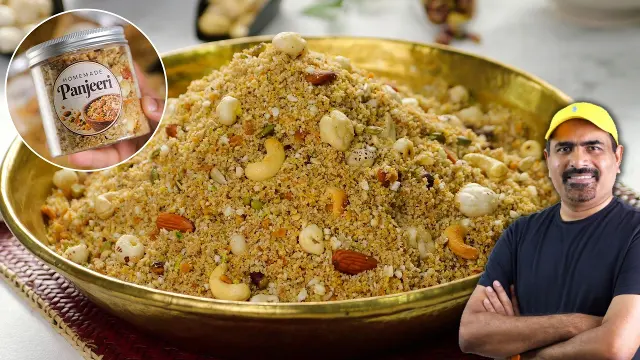
 Authentic Winter Special Panjeeri Recipe
#Winter Food
1 ideas
Authentic Winter Special Panjeeri Recipe
Get new #Winter Food ideas by email
Every Thursday: the week's best ideas, with the newest from #Winter Food.
Related tags
Winter Food: Warm, Comforting Seasonal Cooking
Winter food usually means meals that feel comforting, nourishing, and suited to cold weather. In many kitchens, it includes stews, soups, baked dishes, porridge, roasted vegetables, and sweet treats made with warming spices. The exact traditions vary from place to place, but the idea is the same: food that helps you feel cosy, satisfied, and well fed during the colder months.
What winter food is
Winter food is often built around ingredients that keep well, cook slowly, or taste especially good when the weather turns cold. Root vegetables, cabbage, squash, grains, pulses, nuts, dried fruit, and preserved foods all fit naturally into winter cooking. Meat, fish, eggs, and dairy may also play a part, depending on the cuisine and the meal.
Many winter dishes are made to be filling rather than light. That does not mean they must be heavy. A simple soup with beans and vegetables, a baked pasta dish, or a tray of roasted roots can be both hearty and balanced. Winter food can also include sweet dishes such as puddings, spiced cakes, or milk-based desserts served warm.
Read more
Common styles and dishes
Winter cooking appears in many forms around the world. Some of the most familiar styles include:
- Soups and broths, which are often easy to digest and good for using seasonal vegetables
- Stews and casseroles, where ingredients cook slowly together and develop deep flavour
- Roasted dishes, especially vegetables, poultry, and meats
- Grain-based meals such as rice dishes, porridge, or pilaf
- Baked dishes, including savoury pies, gratins, and pasta bakes
- Sweet comfort foods, such as compotes, puddings, and spice-rich cakes
Spices are important in many winter recipes. Cinnamon, cardamom, ginger, cloves, nutmeg, black pepper, and warming herb blends are often used to add fragrance and depth. In some traditions, ghee, butter, cream, or milk are used to make dishes richer and softer in flavour.
What to know if you are cooking winter food
If you are new to winter cooking, start with simple recipes that rely on a few good ingredients. A winter meal does not need to be complicated to be satisfying. Choose foods that are in season where you live, and use what you already have in your cupboard as a base.
A few practical tips can help:
- Build flavour slowly with onions, garlic, herbs, and spices
- Let soups and stews simmer gently so the flavours come together
- Roast vegetables until they are tender and lightly browned
- Keep a balance of texture, adding something soft, something crisp, and something fresh if possible
- Taste as you go, since winter dishes often benefit from careful seasoning
A comforting tradition
Winter food is often tied to family meals, shared tables, and recipes that are passed down through generations. It is as much about mood as it is about ingredients. Whether you prefer a rustic stew, a fragrant spiced dessert, or a simple bowl of soup, winter food offers a way to cook with care and bring warmth to the table.
Videos come from YouTube and posts from Instagram; titles and summaries are our own. All rights belong to their creators.