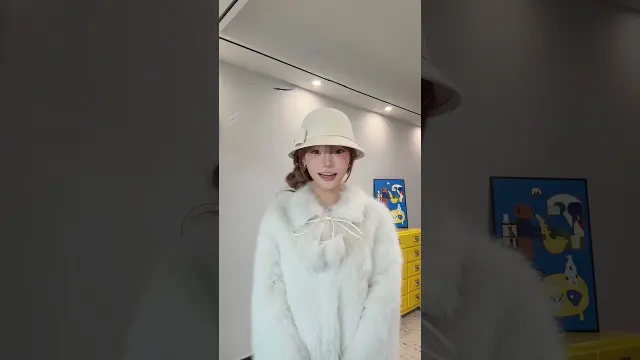
 Matching hairstyles to hats for winter outfits
#Winter Hairstyles
1 ideas
Matching hairstyles to hats for winter outfits
Get new #Winter Hairstyles ideas by email
Every Thursday: the week's best ideas, with the newest from #Winter Hairstyles.
Related tags
Winter Hairstyles: Ideas for Cold Days and Warm Hats
Winter asks a lot of your hair. Cold air outside, dry heated rooms inside, hats pulled on and off, wind that finds every loose strand — it all shows up in how your hair behaves. Winter hairstyles are simply the shapes and habits that make those months easier: styles built to sit comfortably under a hat, to survive a scarf, and to need less fiddling when your hands are cold.
Nobody really invented winter hair. It grew out of practical need. In cold climates people have always braided, pinned and gathered their hair to keep it out of the way and protect it from the weather, and the styles you see today are the same old ideas, tidied up a little.
Style it to fit the hat
The most useful thing to decide is what happens at the back of your head. Hats press on whatever sits there, so a style that lies flat and low is far kinder than one that bunches up.
Read more
- Low buns and knots placed at the nape of the neck sit under a beanie without bulging.
- Two low braids, loose enough to feel comfortable, keep hair tidy and out of your collar.
- A single braid down the back works well with scarves and hoods.
- Low ponytails gathered softly rather than tightly avoid pressure on the same spot all day.
- Half-up styles keep the front tidy while the rest stays loose for warmth.
If you wear a hat on the same place every day, move the parting slightly or change where the band rests; variety helps you avoid a sore spot or a dented shape.
Braids, twists and texture
Braids and twists are the classic winter answer because they stay put. A plain three-strand braid, a French braid or a rope braid all keep hair contained and look deliberate rather than merely escaped. Loosen each section slightly as you go if you want a softer, fuller result, and secure the end with a soft band rather than a sharp elastic.
Textured hair has its own cold-weather rhythm: keeping it moisturised, sleeping with it protected, and choosing styles that need little daily manipulation all make the season gentler. Protective styles such as twists, braids and pinned updos reduce how often you have to detangle and restyle.
Dry air and static
Heated rooms pull moisture out of the air, and hair often feels drier, lighter and more inclined to fly away. A few calm habits help:
- Wash less often than in summer if your hair feels dry, and use a rich conditioner.
- Let hair dry gently rather than blasting it with heat.
- Run a light oil or leave-in through the ends.
- Smooth static with a little water on your hands or a wooden comb.
Small things that make a difference
Give yourself a little more time than you think you need; cold fingers and tight elastics are a bad combination. Avoid tying hair in the same tight spot daily, and take styles down gently at night instead of pulling them apart. A silk scarf or a loose braid protects hair while you sleep.
Winter hair does not have to be complicated. Choose shapes that fit your hat, keep tension kind, and let the season be the only thing that is cold.
#Winter Hairstyles: frequently asked questions
How do I choose a winter hairstyle that works with a hat?
Start with what happens at the back of your head, since that is where a hat presses. Styles that sit flat and low, like a nape-level bun, a soft low ponytail or a single braid down the back, slip under a beanie or hood without bulging. If you wear the same hat daily, shift your parting or the spot where the band rests so no single area takes all the pressure.
Do I need special tools or products for winter hairstyles?
Not really — soft fabric bands, a wooden comb and a light leave-in or oil for the ends cover most of it. What matters more is technique: gather hair loosely instead of pulling it tight, and skip sharp elastics in favour of something softer. Cold hands make everything slower, so give yourself a bit more time than you think you need.
How do I stop my hair from going static and flyaway in winter?
Heated rooms dry the air out, which leaves hair lighter and more prone to static, so rich conditioning and less frequent washing help a lot. Let hair dry gently instead of blasting it with heat, and smooth the ends with a light oil or leave-in. A little water on your hands or a wooden comb will settle flyaways in seconds.
Are braids and twists a good choice for cold weather?
Yes — they are the classic winter answer because they stay put under hats and scarves and look intentional rather than merely escaped. Loosen each section slightly as you braid for a softer, fuller result and fasten the end with a soft band. Twists, braids and pinned updos also cut down how often you have to detangle and restyle, which is gentler on hair through the season.
What are the most common winter hair mistakes?
Tying hair in the same tight spot every day is the big one — it creates sore spots and dented shapes, so vary where your styles sit. Pulling styles apart at night instead of taking them down gently is another; a loose braid or silk scarf while you sleep protects hair far better. Blasting wet hair with heat and skipping conditioner round out the usual culprits.
What winter hairstyle ideas suit a dressed-up occasion?
A low, softly gathered knot or a pinned updo keeps things elegant while staying hat-friendly for the journey there. A rope braid or a loosened braid worn to one side reads as deliberate and holds up through a long evening. Half-up styles are a good middle ground, keeping the front neat while the rest stays loose.
Videos come from YouTube and posts from Instagram; titles and summaries are our own. All rights belong to their creators.