 Frosty Winter Makeup Tutorial Inspired by 2000s Beauty Trends
#Winter Makeup
4 ideas
Frosty Winter Makeup Tutorial Inspired by 2000s Beauty Trends
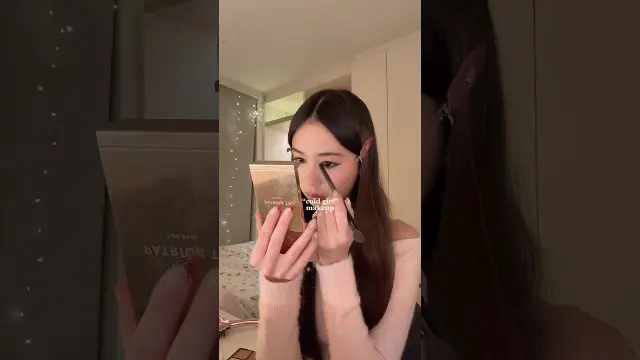 Trying the Cold Girl Makeup Look for Winter
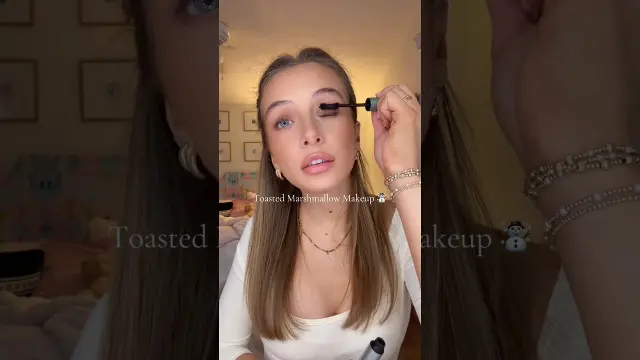 Cosy Winter Makeup Routine for Cold Weather Days
 Winter kissed soft glam makeup tutorial
Get new #Winter Makeup ideas by email
Every Thursday: the week's best ideas, with the newest from #Winter Makeup.
Related tags
Winter Makeup: A Complete Guide to Cold-Weather Looks
Winter makeup is less a single style than an adjustment. As temperatures drop and indoor heating dries the air, skin behaves differently than it does in summer: it loses moisture faster, looks duller, and makeup that sat comfortably in July can suddenly cling to dry patches or slide off a flushed, sensitive complexion. The art of winter makeup is therefore about balance — keeping skin comfortable underneath while building colour and definition on top.
Why skin changes in the cold
Cold air holds less humidity, and wind strips the surface of the skin. Moving between freezing streets and heated rooms adds a second stress, since central heating pulls moisture from the air indoors as well. Many people notice tightness, flakiness around the nose and cheeks, or redness that was not there in warmer months. Foundation and powder that were reliable in summer can start to emphasise texture rather than blur it. Understanding this is the foundation of everything else: winter makeup works best when it is built on well-cared-for skin rather than layered over it.
Start with preparation
Read more
A gentle routine before makeup matters more in winter than in any other season. Cleanse without stripping, and follow with a moisturiser rich enough for your skin type. If your skin feels tight after cleansing, it needs more moisture, not more product on top.
- Let each layer of skincare absorb before applying the next; pressing products in with warm hands helps.
- A hydrating primer can smooth dry areas, but skip it on oilier zones if it makes makeup slip.
- Give moisturiser a few minutes to settle so foundation glides instead of streaking.
Choosing textures
In winter, liquid and cream formulas generally outperform powders. Cream blush, cream bronzer and liquid highlight melt into the skin and read as natural warmth rather than sitting visibly on top of it. On the complexion, a hydrating or satin-finish foundation tends to look fresher than a matte one, which can catch on dry patches. Powder is still useful, but it is better used sparingly — a light dusting through the centre of the face to control shine, rather than all over.
Colour and light
Winter light is cooler, greyer and less forgiving, which is why so many cold-weather looks lean on warmth and glow. Peachy or rose-toned blush restores colour to cheeks that the cold has left pale or flushed. Shades drawn from berries, plums, brick and soft brown work particularly well on eyes and lips and feel at home in the season without theatricality. Dewy highlight placed on the high points of the face — cheekbones, brow bone, the bridge of the nose — mimics the sheen of healthy skin under low light.
Practical habits that help
- Avoid heavy setting powder on dry areas; it tends to emphasise flaking.
- Keep lips exfoliated and balmed, since matte lipsticks are far less forgiving on chapped skin.
- Waterproof or smudge-resistant eye makeup copes better with wind, tears from cold air and sudden temperature changes.
- Carry a hydrating mist or balm for long days spent moving between outdoors and heated interiors.
A note for beginners
If you are new to this, resist the urge to change everything at once. Swap one product — a cream blush for a powder one, a nourishing foundation for a matte one — and see how your skin responds. Winter makeup is at its best when it looks like comfortable, cared-for skin that happens to be wearing a little colour.
#Winter Makeup: frequently asked questions
How do I start a winter makeup routine if my skin gets dry in cold weather?
Begin with gentle cleansing and a richer moisturiser so your skin feels comfortable before any makeup goes on. Let each layer settle, then add a hydrating primer only where needed so foundation sits smoothly instead of clinging to dry patches.
What type of makeup works best for winter skin?
Cream and liquid formulas usually work better than powders in winter because they blend into the skin and look more natural. A hydrating or satin-finish base, cream blush, and a light touch of powder in the centre of the face can help your makeup look fresh without emphasising texture.
How can I choose between a soft glam look and a cold-girl style for winter?
A soft glam winter look suits berry, plum, brick, and warm brown tones with a bit of glow, while a cold-girl look leans into pale skin, cool shine, and a softer flushed finish. Choose the one that matches how much colour and definition you want, then keep the skin base comfortable and natural-looking.
What are the most common winter makeup mistakes to avoid?
Using too much setting powder on dry areas is a common mistake because it can make flakes stand out more. Another one is skipping skin prep or choosing very matte products when your complexion already feels tight or dull in the cold.
How do I keep winter makeup looking good throughout the day?
Use long-wearing or smudge-resistant eye makeup and keep lips nourished so they do not look chapped. A small balm or hydrating mist can help refresh the skin when you move between cold outdoor air and heated indoor spaces.
Videos come from YouTube and posts from Instagram; titles and summaries are our own. All rights belong to their creators.