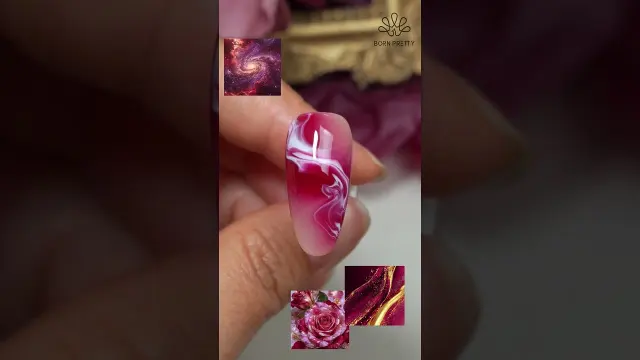
 Blooming Marble Nails With Red Ombre and Gold Glitter
#Winter Nails
4 ideas
Blooming Marble Nails With Red Ombre and Gold Glitter
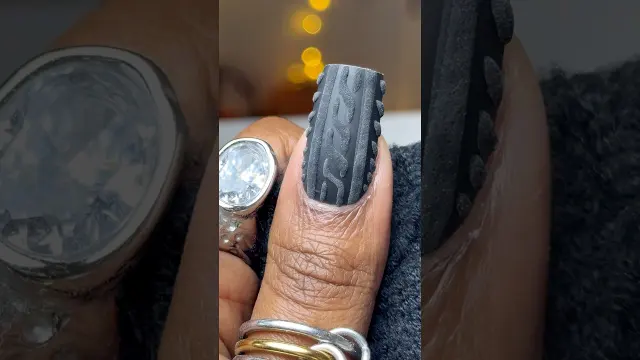 Easy winter sweater nail art tutorial
Get new #Winter Nails ideas by email
Every Thursday: the week's best ideas, with the newest from #Winter Nails.
Related tags
Winter Nails: Ideas, Colours and Care for Cold Weather
Winter nails are the manicures people reach for once the light thins and the air turns cold: darker, richer colours, textured finishes, and small decorative touches that echo the season. Nothing about it is strict — it is simply a mood, a palette and a set of techniques that suit winter better than the pale, bright, shell-like looks of summer.
Where the idea comes from
Dressing nails according to the season is a habit with older roots than it first appears. Polished, tinted nails were used long before modern lacquer existed, and the twentieth-century manicure turned colour into an accessory that could shift with the calendar. Winter brought its own logic: warm, saturated shades feel more substantial against grey skies and heavy fabrics, and a manicure that lasts a little longer suits a season of parties, travel and dry indoor air.
The main palettes
Read more
The classic winter colours are deep and low in light: burgundy, oxblood, plum, forest green, navy, slate grey, chocolate brown and near-black. Alongside them sit the seasonal whites — snow, pearl, silver — used either as a full manicure or as accents. Metallics belong here too: gold and bronze for warmth, silver and chrome for a frosted effect. Reds are the seasonal workhorse, running from brick and terracotta to true pillar-box red.
Finishes and techniques
Gloss is the safe default, but winter is where texture earns its place. Matte topcoat softens a dark shade into something velvety. Chrome and mirror powders give a metallic sheen. Glitter appears as a full coat, as a gradient, or as a single accent nail. Velvet or flocking powder creates a fuzzy finish that reads like fabric. Shimmer is often layered over a base colour rather than worn alone.
Nail art leans on a few evergreen motifs: snowflakes, stars, moons, knitted patterns, tartan, simple foliage, ribbons, and tiny dots of white that suggest snow. Freehand painting, stamping, stickers and foils can all produce these; beginners usually get further with stamps, transfers or a steady hand and a very fine brush than with ambitious freehand work.
Practical tips
- Prep matters more than colour. Clean, lightly buffed nails and a cuticle oil routine help any polish sit smoothly.
- Thin coats dry better than thick ones, and two thin coats of colour plus a topcoat will outlast one heavy layer.
- Seal the free edge with each coat — it is the simplest way to slow chipping.
- Cold weather and indoor heating dry nails and skin alike; hand cream and cuticle oil after washing hands make a visible difference.
- Wear gloves outdoors when it is cold, and let nails rest bare for a few days between long-wearing manicures.
A note on care
Winter nails are not about length or perfection. Weak, peeling nails are common in the colder months, and gentle filing in one direction, regular moisturising and avoiding harsh removers help more than any product claim. If a nail lifts or a cuticle becomes painful or inflamed, rest the nail and speak to a pharmacist or doctor rather than covering it up.
Getting started
Start with one deep shade you like and a matte or glossy topcoat, then add a single accent nail. Once that feels easy, try a stamped snowflake, a gradient of glitter, or a chrome tip. Winter is a forgiving season for colour: the palette is dark enough that small imperfections disappear, which makes it a good time to experiment.
#Winter Nails: frequently asked questions
How do I get started with winter nails at home?
Begin with a clean nail surface, a shade you already like, and either a glossy or matte topcoat. If you want to add a seasonal touch, start with one accent nail or a simple design like a snowflake or glitter tip.
Which colours work best for winter manicures?
Deep, rich shades usually suit winter best, such as burgundy, plum, forest green, navy, grey, brown, and near-black. Soft white, silver, gold, and chrome can also work well as accents or for a frosted look.
What kind of winter nail design is easiest for beginners?
Simple styles are easiest to wear and repeat, like a single dark shade, a matte finish, or a bit of glitter on one nail. Stamps, stickers, and transfers are often easier than detailed freehand painting.
How can I make winter nails last longer in cold weather?
Thin coats, careful sealing of the free edge, and a proper topcoat help polish stay on longer. Moisturising your hands and cuticles, wearing gloves outside, and avoiding rough handling also make a big difference.
What winter nail ideas work well for festive occasions?
For parties or holiday gatherings, rich reds, gold, silver, chrome, and glitter feel especially seasonal. Snowflakes, stars, tartan, or tiny white dots can add a winter look without making the manicure feel too busy.
What mistakes should I avoid with winter nails?
Thick coats, skipping prep, and neglecting moisture are common mistakes that can lead to chipping or dryness. It is also better not to cover up a lifted or painful nail; rest it and let it recover instead.
Videos come from YouTube and posts from Instagram; titles and summaries are our own. All rights belong to their creators.