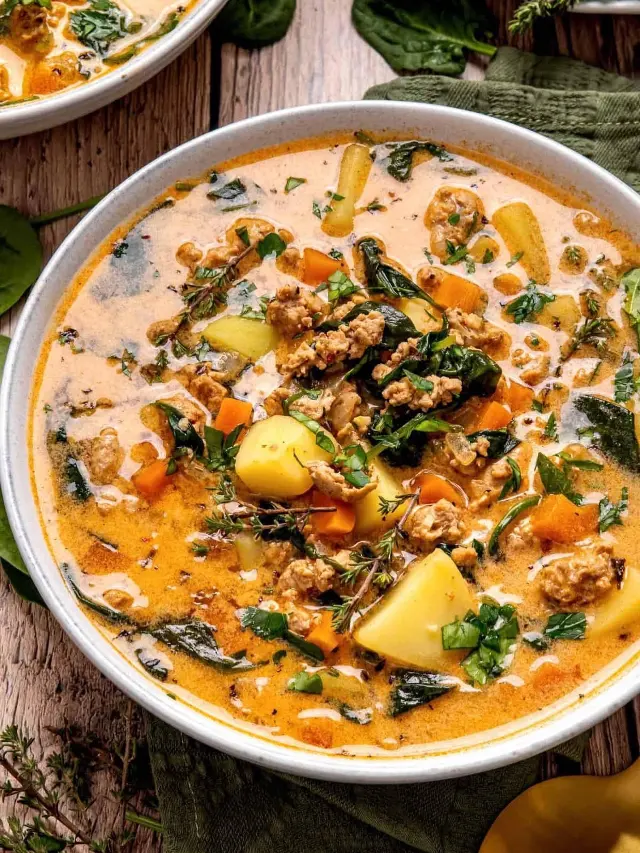
 Comforting Italian Sausage Potato Soup with Spinach
#Winter Recipes
2 ideas
Comforting Italian Sausage Potato Soup with Spinach
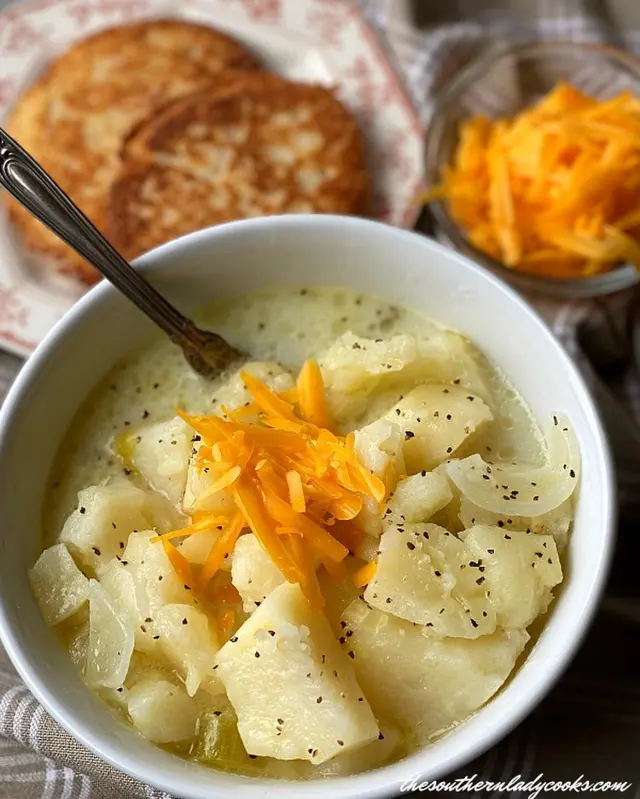 Hearty Potato Soup Recipe for Cold Winter Days
Get new #Winter Recipes ideas by email
Every Thursday: the week's best ideas, with the newest from #Winter Recipes.
Related tags
Winter Recipes for Cold Weather Comfort
What winter recipes are
Winter recipes are dishes that feel especially satisfying in cold weather: warm soups, baked casseroles, slow-cooked stews, roasted vegetables, and comforting puddings or cakes. They often use ingredients that keep well through the colder months, such as potatoes, root vegetables, cabbage, squash, grains, pulses, apples, and preserved foods. The style is usually practical and nourishing, with plenty of one-pot meals and oven-baked dishes that are easy to serve to a family or group.
Winter cooking has deep roots in traditional home kitchens around the world. In many places, it developed from the need to make filling meals from simple ingredients that were available for longer periods or could be stored after harvest. That is why winter food often leans toward slow simmering, roasting, braising, and baking. These methods bring out rich flavour and create the kind of soft, warm textures people look for in colder months.
Common types of winter dishes
Read more
- Soups and broths: from creamy vegetable soups to bean soups and chunky meat-based versions
- Stews and braises: slow-cooked dishes with tender meat, legumes, or vegetables in a flavourful sauce
- Casseroles and bakes: layered or mixed dishes finished in the oven
- Roasted vegetables: simple tray bakes with carrots, parsnips, squash, onions, and potatoes
- Savoury pies and gratins: comforting dishes with pastry, sauce, cheese, or breadcrumbs
- Puddings and baked desserts: apple crumbles, sponge puddings, or other warm sweets
Techniques that work well
Winter recipes often taste best when cooked gently and patiently. Simmering helps flavours blend, while roasting adds sweetness and depth. Braising is useful for tougher cuts of meat and for sturdy vegetables that benefit from longer cooking. Baking is another reliable method, especially when you want a hands-off meal that fills the kitchen with a warm smell.
If you are new to winter cooking, start with recipes that are forgiving. Soups, tray bakes, and simple stews are a good place to begin because they do not usually require perfect timing. You can also make many winter dishes ahead of time, which often gives the flavour more time to develop.
Simple tips for better winter cooking
- Choose ingredients that are naturally sturdy and flavourful in cold weather.
- Build flavour slowly with onions, garlic, herbs, and stock.
- Use seasoning carefully and taste as you go, especially in soups and stews.
- Balance richness with freshness by adding something bright, such as herbs, lemon, or a crisp side salad when it suits the dish.
- Make extra portions when possible, since many winter recipes reheat well.
A practical way to cook through winter
A good winter meal usually has three things: warmth, substance, and comfort. That might mean a thick soup with bread, a vegetable bake with a grain or protein, or a stew served with mashed potatoes. You do not need complicated ingredients to make food feel special in winter. A few humble items cooked well can become something deeply satisfying.
If you are planning winter meals, think in layers: something hearty, something soft, and something with a little freshness or contrast. That simple approach helps winter recipes feel complete, comforting, and easy to enjoy.
Videos come from YouTube and posts from Instagram; titles and summaries are our own. All rights belong to their creators.