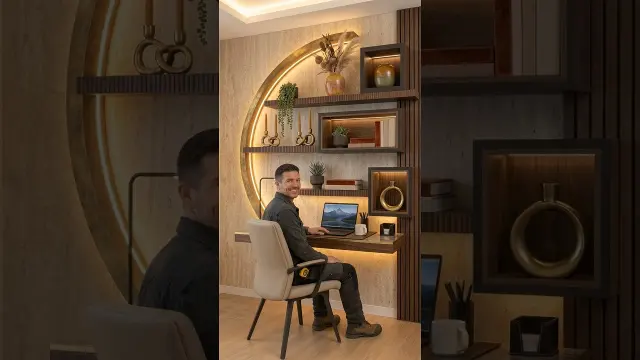
 DIY Modern Home Office Floating Desk Setup
#Workspace Design
1 ideas
DIY Modern Home Office Floating Desk Setup
Get new #Workspace Design ideas by email
Every Thursday: the week's best ideas, with the newest from #Workspace Design.
Related tags
Workspace Design Ideas for a Better Work Area
Workspace design is the thoughtful arrangement of a place where you work, study, plan, or create. It can be a full home office, a desk in a bedroom, a shared family table, or a small corner set aside for focused tasks. Good workspace design is not only about style. It is about making a space that supports concentration, comfort, and everyday use.
What workspace design includes
A well-designed workspace usually balances a few key elements: a surface to work on, a comfortable seat, good light, storage for supplies, and enough open space to move without feeling crowded. The best setup depends on how you use it. Someone who writes all day may need a calm, minimal desk area. Someone who makes crafts or handles paperwork may need more surface area and easy-access storage.
Workspace design can be simple or layered, but it should always feel practical. If you use the space often, small decisions make a big difference, such as where the power outlets are, how you store cables, and whether your most-used items are close at hand.
Read more
Common styles and layouts
There is no single right way to design a workspace. Some common approaches include:
- Minimal and uncluttered: clear surfaces, few objects, and simple storage
- Warm and home-like: softer colors, natural textures, and decorative details
- Functional and organized: labeled containers, shelves, and visible systems
- Compact and flexible: fold-away pieces or multi-use furniture for small spaces
You can also design around the room itself. A window can give you natural light, while a quiet corner can help reduce distractions. In small homes, a workspace may need to blend with another room, so it helps to choose furniture and colors that feel cohesive with the rest of the space.
Practical tips for a better setup
Start with the tasks you do most often. That will tell you how much table space, storage, and light you need. Keep the items you use daily within easy reach, and store occasional supplies a little farther away.
Try to separate zones if you can: one area for the main work surface, one for storage, and one for extras like reference books or tools. This makes the space easier to keep tidy.
Lighting matters too. If possible, use a mix of daylight and a lamp that helps you see clearly without straining your eyes. A comfortable chair and a desk at the right height can also make long sessions easier.
A few simple habits help a workspace stay useful:
- Put things back in the same place each day
- Keep only the essentials on the desk
- Use containers, trays, or folders to group similar items
- Leave a little open space so the area does not feel full
Making it feel inspiring
A workspace should support your mind as well as your work. Personal touches can make it feel inviting, but too many decorations can become distracting. Choose a few items that feel calm and meaningful, such as a plant, an artwork, or a favorite notebook. When your workspace feels clear, comfortable, and personal, it becomes easier to settle in and do your best work.
Videos come from YouTube and posts from Instagram; titles and summaries are our own. All rights belong to their creators.