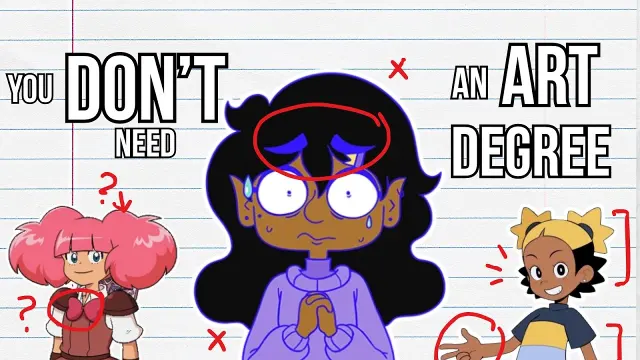
 The Importance of Good Character Design in World-Building
#World Building
1 ideas
The Importance of Good Character Design in World-Building
Get new #World Building ideas by email
Every Thursday: the week's best ideas, with the newest from #World Building.
Related tags
World Building Guide for Creative Writers
World building is the art and process of constructing a coherent, imaginative universe for fiction, games, or art. Rooted in ancient mythologies and folklore, modern world building invites creators to establish the physical laws, geography, history, and social structures that shape a fictional setting. Whether you are designing a sprawling fantasy realm, a distant sci-fi planet, or an alternative historical city, a well-realized setting grounds your characters and gives depth to their journeys.
At its core, a believable setting relies on internal consistency. Every element should connect naturally, from the climate and architecture to the daily habits and beliefs of the inhabitants.
Key Elements of a Setting
- Geography and Environment: The physical landscape dictates how people live, travel, and trade. Mountains, rivers, and climates influence natural resources and architectural styles.
- Culture and Society: Beliefs, traditions, social hierarchies, and governance systems shape how communities interact and resolve conflicts.
- History and Lore: Past events, ancient conflicts, and foundational myths explain why the world is in its current state and add layers of mystery.
- Magic or Technology: If the setting features unique systems of power or advanced science, establish clear rules and limitations so they affect the world logically.
Read more
For beginners, the most common pitfall is trying to explain everything at once. You do not need to map out every continent or write a thousand-year history before starting your story. Instead, focus on the immediate surroundings that matter most to your characters. Reveal details organically through narrative action, dialogue, and daily life rather than lengthy exposition dumps.
Practical Tips for Creators
Start small and expand outward. Begin with a single village, a specific room, or a local custom, and gradually build the broader map as the narrative demands it. Keep a dedicated notebook or digital document to track names, rules, and historical timelines to avoid contradictions later. Remember that the most memorable settings feel lived-in, featuring ordinary imperfections, worn objects, and everyday routines alongside grand wonders. Above all, let your imagination guide the process, creating a space that feels vibrant and authentic to anyone who explores it.
#World Building: frequently asked questions
How do I start world building if I've never done it before?
Begin with something small and concrete — a single room, a village square, or one local custom your characters interact with — and let the rest of the world grow outward from there as your story needs it. Writing down a few sensory details about daily life in that spot usually sparks more ideas than trying to design a whole map first. Expansion feels natural once that first corner feels real to you.
What does a fictional setting actually need in order to feel believable?
Believability comes from connection rather than volume: the climate should explain the clothing, the landscape should explain the trade, and the beliefs should explain the conflicts. If any element could be swapped out without affecting the others, it usually still needs to be tied into the rest. Consistency matters more than originality of the individual pieces.
Should I build a fantasy world, a science fiction one, or an alternate history?
Pick the one that best serves the story you want to tell, since each asks you to explain different things — fantasy leans on systems of power and myth, science fiction on technology and its limits, alternate history on how a change ripples through real societies. Whichever you choose, the key is deciding early what makes your setting different and then following that difference through logically. Many creators blend two of these, which works well as long as the rules stay clear.
How do I keep track of all the names, rules and timelines without contradicting myself?
Keep one dedicated place — a notebook or a digital document — for names, spelling conventions, established rules and the sequence of past events, and add to it as you go rather than after the fact. When a detail comes up in the narrative, record it there so it stays fixed afterward. Simple consistency checks like rereading your notes before writing a new scene catch most contradictions early.
How much of my world should I actually show the reader or the player?
Show only what the current moment needs, and let the rest emerge through action, dialogue and the ordinary habits of the people living there. Background that arrives as a lecture tends to flatten a setting, while a worn tool, a greeting ritual or an offhand remark builds the same depth without interrupting the story. Keeping a larger body of notes that never appears on the page is normal and useful.
What is the most common mistake beginners make when building a world?
Trying to explain everything at once before the story has begun — mapping every continent and drafting centuries of history that the narrative never touches. The result is often a setting that feels like a reference book rather than a place people live in. Starting narrow, revealing details gradually, and leaving room for ordinary imperfections avoids this.
Videos come from YouTube and posts from Instagram; titles and summaries are our own. All rights belong to their creators.