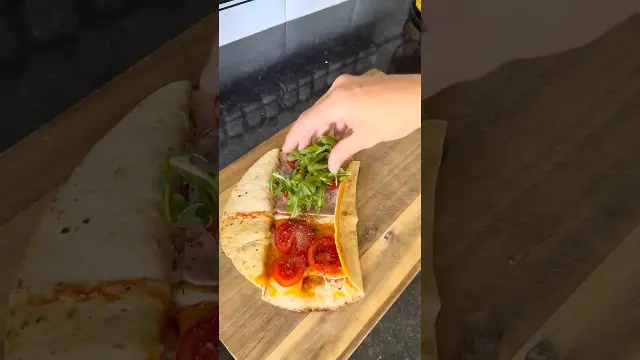
 Quick high-protein lunch ready in just five minutes
#Wrap Recipe
1 ideas
Quick high-protein lunch ready in just five minutes
Get new #Wrap Recipe ideas by email
Every Thursday: the week's best ideas, with the newest from #Wrap Recipe.
Related tags
Wrap Recipes: A Simple Guide to Folded Meals
Wraps are a simple way to turn everyday ingredients into a meal you can hold in your hand. At their core, a wrap is a filling rolled inside a soft flatbread or tortilla. They are useful for lunch, picnics, quick dinners, and make-ahead meals because they can be filled with almost anything that suits your taste and pantry.
What a wrap is
The idea of wrapping food in bread is old and widespread. Many cuisines use flatbreads or thin breads to enclose vegetables, meats, beans, cheeses, or sauces. The modern wrap is usually made with a pliable flatbread such as a tortilla, lavash, pita, chapati, or other soft bread. The appeal is practical: it is neat, portable, and easy to adapt to different diets and preferences.
Common kinds of wraps
Read more
You can make wraps in many styles, depending on the base and filling:
- Classic lunch wraps with deli-style fillings, salad greens, and a spread
- Vegetable wraps with roasted, raw, or grilled vegetables
- Protein wraps with chicken, tuna, eggs, beans, tofu, or hummus
- Breakfast wraps with eggs, cheese, and vegetables
- Warm wraps, toasted in a pan or oven so the outside is lightly crisp
- Cold wraps, best for fresh fillings and packed meals
The flatbread matters too. Softer breads are easier to roll, while sturdier ones hold heavier fillings better.
How to build a good wrap
A good wrap has balance. Think in layers:
- A spread or moist base, such as yogurt sauce, mashed avocado, hummus, or cream cheese
- A main filling for substance
- Crunch from lettuce, cucumber, cabbage, or other fresh vegetables
- A flavor accent, such as herbs, pickles, mustard, salsa, or a simple dressing
Try not to overfill the wrap. Too much filling makes it difficult to roll and more likely to split. Place the filling slightly below the center, fold in the sides, then roll tightly from the bottom upward.
Helpful tips for beginners
If you are new to making wraps, a few small habits make a big difference:
- Warm the flatbread briefly so it bends without cracking
- Keep wet ingredients under control so the bread does not become soggy
- Slice ingredients into even pieces for easier rolling and eating
- Use a layer of greens or cheese as a barrier between the bread and very moist fillings
- Rest the wrap seam-side down for a moment before cutting, if you want cleaner slices
Variations to try
Wraps are easy to adapt. You can make them lighter with vegetables and herbs, heartier with grains and proteins, or richer with cheese and creamy sauces. They also work well with leftovers, which makes them a practical way to reduce waste and use what you already have.
Once you understand the basic formula, you can mix and match ingredients almost endlessly. That is what makes wraps such a reliable meal: simple to assemble, easy to carry, and flexible enough for many tastes.
Videos come from YouTube and posts from Instagram; titles and summaries are our own. All rights belong to their creators.