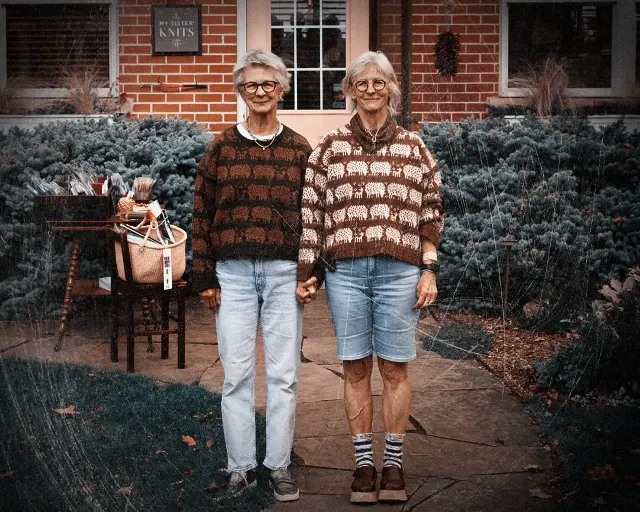
 Halloween Crochet and Knitting Inspiration
#Yarn
2 ideas
Halloween Crochet and Knitting Inspiration
Get new #Yarn ideas by email
Every Thursday: the week's best ideas, with the newest from #Yarn.
Related tags
Yarn: Types, Uses and Basic Care
Yarn is the continuous strand of fibre used to make fabric and countless handmade objects. It can be spun from natural fibres such as wool, cotton, linen and silk, or made from synthetic fibres such as acrylic and nylon. People have used yarn-like threads for centuries to knit, crochet, weave, embroider and repair clothing, and it remains one of the most versatile materials in making by hand.
What yarn is used for
Yarn is the starting point for many textile crafts. In knitting and crochet, it forms garments, blankets, scarves, hats and home pieces. In weaving, it becomes part of cloth and decorative textiles. It is also used in macramé, embroidery, toy making and a wide range of decorative crafts. The same fibre can look very different depending on how it is spun, dyed and finished.
Main types of yarn
Read more
Yarn is usually described by fibre content, thickness and texture.
- Natural fibre yarns: Wool is warm and elastic, cotton is smooth and breathable, linen is strong and crisp, and silk has a soft sheen.
- Synthetic yarns: Acrylic and other man-made fibres are often easy to care for and come in many colours and finishes.
- Blended yarns: These combine fibres to balance warmth, softness, strength or washability.
- Novelty yarns: These may include boucle, ribbon, fluffy or textured effects, often chosen for decorative projects.
Yarn also comes in different weights, from very fine thread to bulky strands. The weight affects drape, warmth and the size of tools you need. Softer, thinner yarns can suit delicate work, while thicker yarns are often chosen for quick, cosy projects.
How yarn is made
Most yarn begins as fibre that is cleaned, combed and spun into a strand. Spinning twists the fibres together so they hold their shape and strength. Some yarns are plied, meaning several strands are twisted together. This can make the yarn rounder, stronger and more balanced. Dyeing may happen before or after spinning, which helps create solid colours, heathered shades or more varied effects.
What beginners should know
If you are new to yarn crafts, start with a smooth yarn in a light or medium shade. Very fuzzy, slippery or highly textured yarns can be harder to read while you are learning stitches. It also helps to choose a yarn that matches your project and your tools, because the wrong pairing can make the fabric too stiff, too loose or hard to handle.
A few practical habits make a big difference:
- Keep yarn wound neatly so it does not tangle.
- Check the care instructions before beginning a project.
- Make a small sample first if stitch size and drape matter.
- Store yarn in a dry place away from dust and direct sunlight.
- Use the right tension for the fibre, since some yarns stretch more than others.
Choosing yarn for a project
Think about how the finished item will be used. For blankets and sweaters, comfort and washability may matter most. For dishcloths and summer pieces, cotton can be a good choice. For warm accessories, wool and wool blends are often popular. If you want structure, look for yarn that holds shape well. If you want softness and flow, choose a fibre with a gentler drape.
Yarn is a simple material, but it offers endless possibilities. Once you understand fibre, thickness and texture, you can choose with more confidence and enjoy the making process much more.
Videos come from YouTube and posts from Instagram; titles and summaries are our own. All rights belong to their creators.