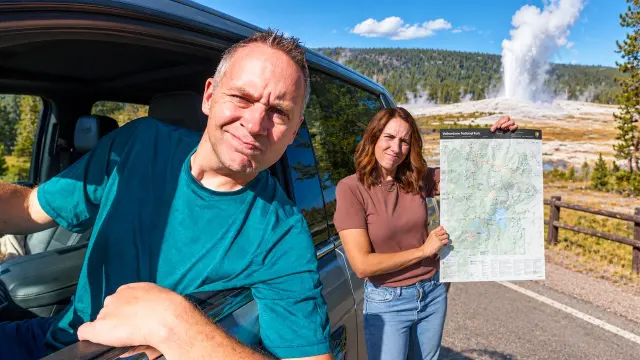
 How to Experience Yellowstone in One Day
#Yellowstone National Park
12 ideas
How to Experience Yellowstone in One Day
 Yellowstone National Park 4K Travel Video
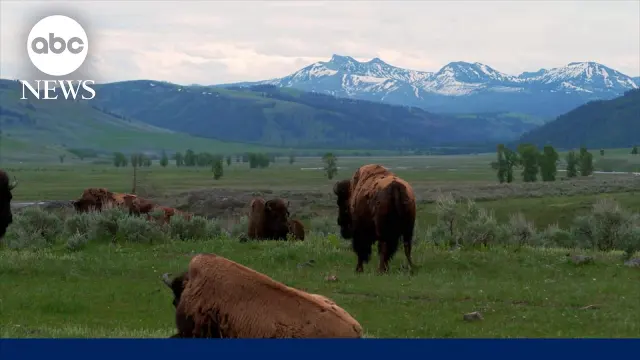 Yellowstone National Park Featured in American Natural Wonders
 Visiting Top American Destinations: Yellowstone
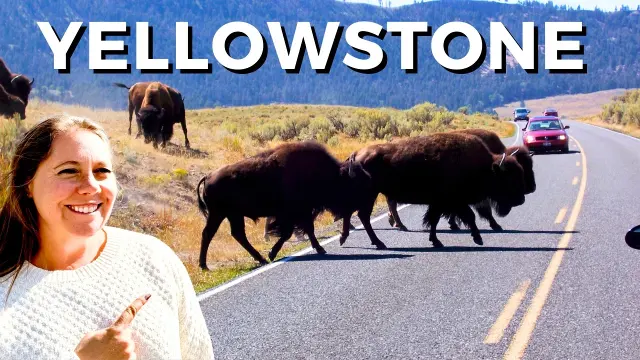 Yellowstone Itinerary and Best Stops to Visit
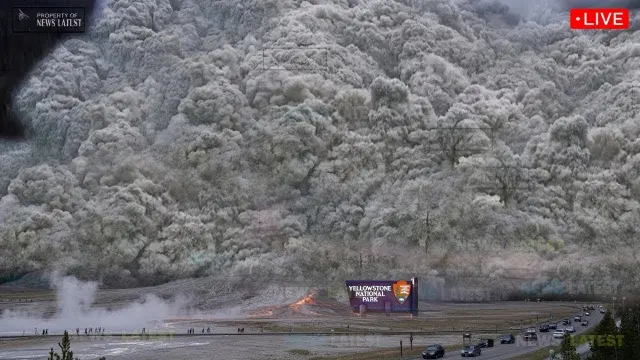 Geysers and Hot Springs at Yellowstone National Park
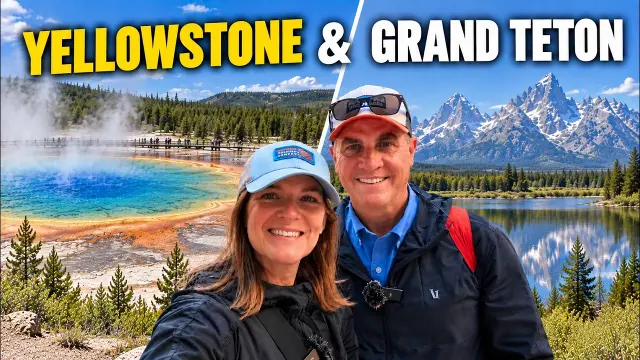 Visiting Grand Teton and Yellowstone National Parks
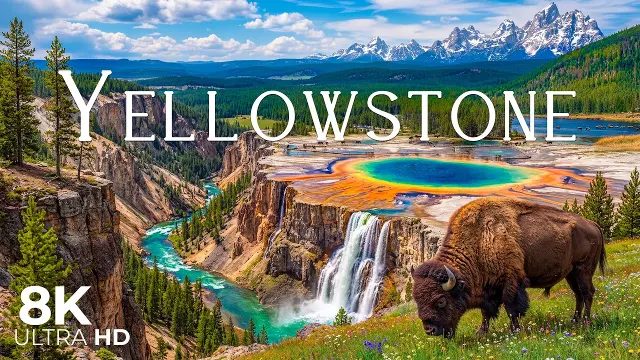 Yellowstone National Park 8K Scenic Views
 Motorcycle Road Trip Through Yellowstone National Park
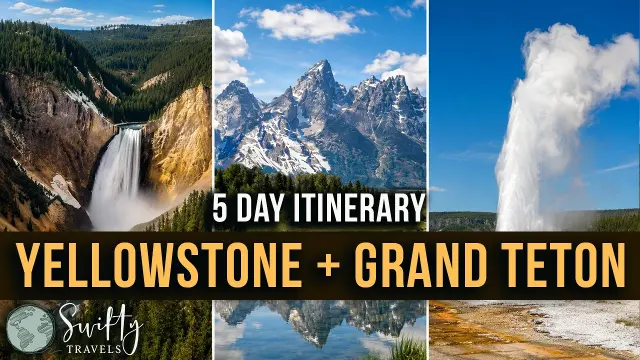 Five Day Itinerary for Yellowstone and Grand Teton
 The Ultimate RV Guide to Yellowstone National Park
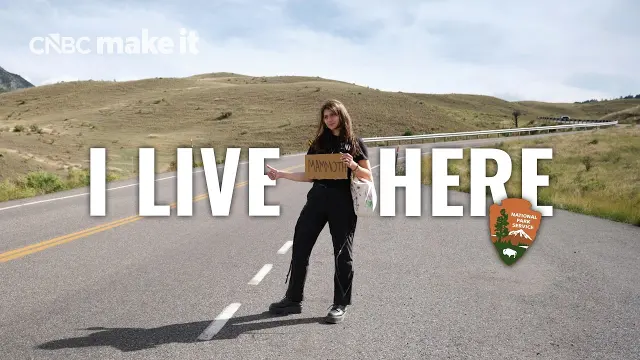 Working as a Seamstress at Yellowstone National Park
Get new #Yellowstone National Park ideas by email
Every Thursday: the week's best ideas, with the newest from #Yellowstone National Park.
Related tags
Yellowstone National Park Guide
What Yellowstone National Park is
Yellowstone National Park is one of the best-known protected wilderness areas in North America. It is famous for its striking landscapes, geothermal features, and large wildlife populations. The park covers a wide range of environments, from forests and grasslands to rivers, lakes, canyons, and high plateaus, making it a place of extraordinary natural variety.
It is also one of the world’s best examples of a living volcanic landscape. Underground heat powers many of the park’s most distinctive sights, including geysers, hot springs, mud pots, and steam vents. These features are not only beautiful, but also a reminder that the land is constantly changing beneath the surface.
Why people visit
Read more
Many visitors come to Yellowstone for the scenery, but the park offers much more than views. It is a place to observe natural processes up close, learn about geology and ecology, and experience a large, protected landscape that still feels wild. Wildlife watching is a major part of the experience, with animals such as bison, elk, bears, and wolves sometimes visible from roads and overlooks.
The park is also valued for hiking, camping, photography, and quiet time in nature. Some people come for a short scenic drive, while others spend days exploring different areas and trails. Because the park is so large, even repeat visitors often discover something new.
Main features and landscapes
Yellowstone is known for several kinds of natural attractions:
- Geothermal areas, including geysers, hot springs, and steam features
- Canyons and waterfalls
- Open valleys and meadows with wildlife
- Forested mountain terrain
- Rivers, lakes, and wetlands
Each region has its own feel. Some areas are dramatic and crowded with geothermal activity, while others are quieter and better suited to scenic drives, walking, and wildlife observation.
What to know before you go
Yellowstone is a place to visit with care. Stay on marked paths in geothermal areas, because the ground can be fragile and dangerously hot. Give wildlife plenty of space, and never approach animals for a photo. Respect road rules, trail guidance, and seasonal closures, since weather and conditions can change quickly.
If you plan to hike, choose a route that matches your ability, and carry water, layers, and basic supplies. Weather can shift from warm sunshine to cold rain or snow in a short time, even in warmer months. Good planning makes the visit safer and more enjoyable.
How to enjoy it well
A thoughtful visit is usually the best visit. Move slowly, look closely, and take time to notice details such as steam drifting from the ground, distant animal movement, or the changing color of water and rock. Yellowstone is not just a list of sights to collect; it is a landscape to experience with patience and respect.
If you are new to the park, start with one or two areas rather than trying to see everything at once. That gives you more time to enjoy the setting and less time rushing between stops.
Videos come from YouTube and posts from Instagram; titles and summaries are our own. All rights belong to their creators.