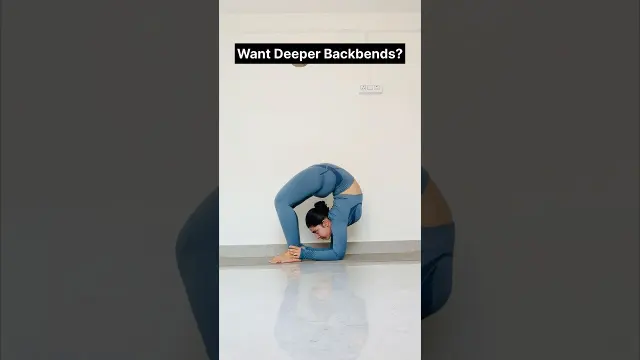
 Yoga Drills to Unlock Back Flexibility
#Yoga Drills
1 ideas
Yoga Drills to Unlock Back Flexibility
Get new #Yoga Drills ideas by email
Every Thursday: the week's best ideas, with the newest from #Yoga Drills.
Related tags
Yoga Drills for Strength, Flexibility and Flow
What yoga drills are
Yoga drills are simple, repeated movements or short practice sequences used to build the skills that support a fuller yoga practice. They are less about holding a long pose and more about learning the parts that make poses feel steadier and easier: how to breathe, how to shift weight, how to align the spine, and how to move with control.
They are used by beginners who want a gentle way into yoga, as well as by experienced practitioners who want to refine technique, improve mobility, or build strength in specific areas. A drill can be as small as repeating a transition between two poses, or as broad as practicing a group of movements that train balance, backbends, or hip opening.
Where they come from
Read more
The idea behind yoga drills comes from the practical side of yoga teaching. Over time, teachers have always used repeated actions to help students understand a posture better. In many traditions, yoga is learned step by step, with attention to breath, body position, and control rather than rushing toward the final shape.
Yoga drills are not a separate style of yoga. They are a teaching method. You may find them in gentle classes, stronger flow practices, or focused mobility sessions. What matters is that the movement is repeated with attention, so your body can learn it more clearly.
Common kinds of yoga drills
Different drills serve different purposes:
- Breath-led drills: simple movements matched to inhaling and exhaling, helping you connect breath and movement.
- Mobility drills: repeated actions for hips, shoulders, spine, or ankles to encourage easier movement.
- Strength drills: small holds or controlled transitions that build support in the core, legs, arms, and back.
- Balance drills: practice that improves steadiness, focus, and weight shifting.
- Transition drills: repeated movement between poses, useful for making your practice smoother.
What beginners should know
If you are new to yoga drills, start small. The goal is not to force flexibility or copy a shape perfectly. The goal is to notice how your body moves and to build control over time.
A few useful principles:
- Move slowly enough to feel what is happening.
- Keep the breath steady and comfortable.
- Stop if you feel sharp pain, pinching, or strain.
- Use props, a wall, or a chair if they help you stay balanced.
- Repeat a short sequence several times instead of doing too much at once.
It is also helpful to remember that progress in yoga is often gradual. A drill may feel simple, but done well, it can make a big difference in posture, coordination, and confidence.
Practical ways to use them
You can include yoga drills at the start of practice as a warm-up, during a session to focus on one area, or on their own when you have only a few minutes. Good drills usually feel clear and repeatable, with enough challenge to wake up the body but not so much that you lose control.
A balanced approach works best. If you do drills for flexibility, also include support and strength. If you practice balance, also rest and reset. Over time, these repeated patterns help you move more smoothly, understand poses better, and build a steadier relationship with your practice.
#Yoga Drills: frequently asked questions
How do I start with yoga drills if I'm a complete beginner?
Begin with a single simple movement you can repeat slowly, such as shifting weight between two poses or matching an arm lift to your breath. Keep the sequence short and repeat it a few times rather than trying everything at once, and use a wall, chair, or prop whenever you need extra support. Focus on noticing how the movement feels instead of copying a shape perfectly.
What do I need to practice yoga drills at home?
You really only need a little clear floor space and clothing you can move in comfortably. A mat is helpful for grip, and a wall or sturdy chair can serve as support for balance work, while a cushion or strap can make certain movements easier. Nothing fancy is required, since drills are about repeating simple actions with attention rather than using equipment.
Which kind of yoga drill should I choose?
Pick based on what you want to improve: breath-led drills to connect movement with breathing, mobility drills for stiff hips, shoulders, or spine, strength drills for support and control, and balance or transition drills for steadiness and smoother flow. A balanced approach works well, so if you spend time on flexibility, add some support and strength work too.
Can yoga drills help me become more flexible?
Yes, repeated gentle movement is one of the most reliable ways to encourage easier range of motion over time. Drills let you revisit the same area in small, controlled doses so your body learns the pattern gradually instead of being pushed into a stretch. Pair flexibility work with strength and rest so the progress stays steady and comfortable.
What common mistakes should I avoid when doing yoga drills?
The most frequent slip is rushing, which makes it hard to feel what is actually happening in the body. Holding the breath, forcing a shape to look a certain way, and doing far too much in one session are also common, so keep the breath steady and stop if you feel sharp pain, pinching, or strain. Remember that progress tends to be gradual, and a simple drill done well can change a lot.
When during my practice should I use yoga drills?
Drills fit easily at the start of a session as a warm-up, in the middle when you want to focus on one area, or on their own when you only have a few minutes. A good drill feels clear and repeatable, challenging enough to wake up the body without costing you control. Try a few placements and keep whichever helps you move more smoothly.
Videos come from YouTube and posts from Instagram; titles and summaries are our own. All rights belong to their creators.