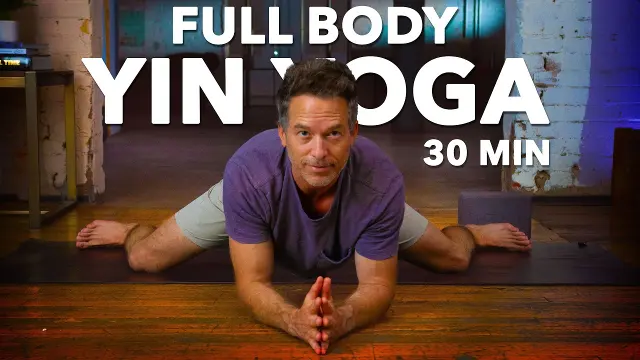
 30 Minute Full Body Yin Yoga Deep Fascia Stretch
#Yoga
12 ideas
30 Minute Full Body Yin Yoga Deep Fascia Stretch
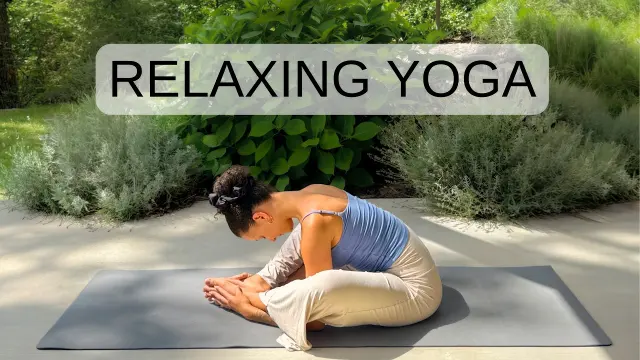 20 Minute Slow Stretch and Relaxing Full Body Yoga
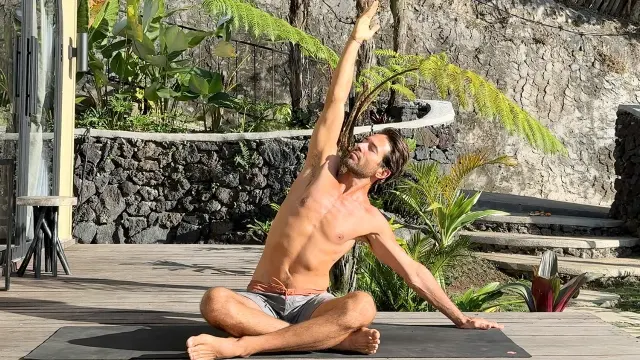 40 Minute Full Body Yoga Flow for Strength and Mobility
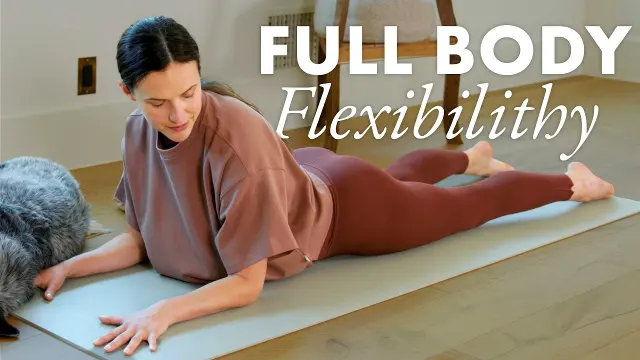 Find Your Flexibility Full Body Yoga Routine
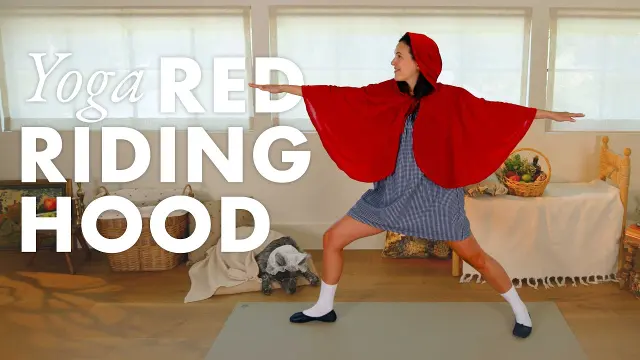 Halloween Yoga Adventure Practice for All Ages
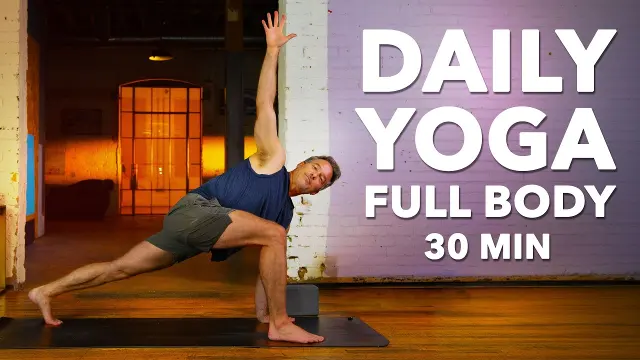 30 Minute Daily Total Body Yoga Flow Routine
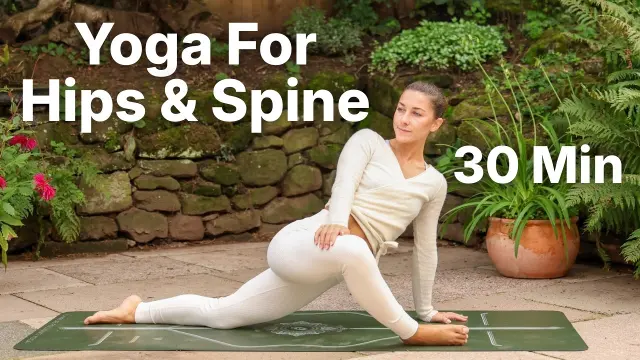 30 Minute Yoga Flow for Hips and Spine
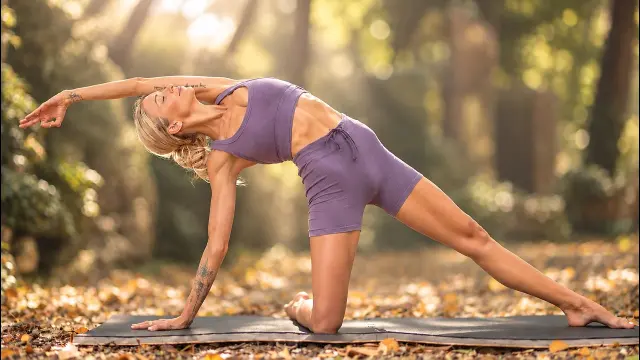 30 Minute Full Body Yoga to Release Stress and Tension
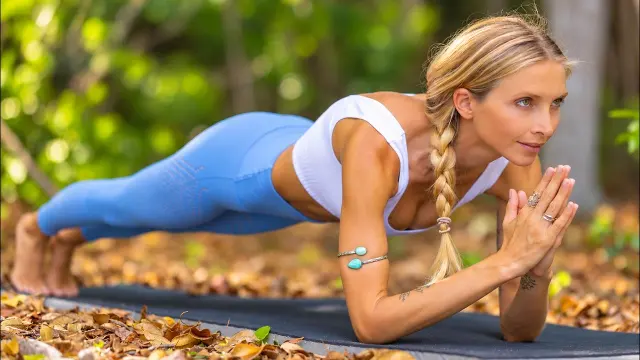 30 Minute Full Body Yoga and Pilates Workout
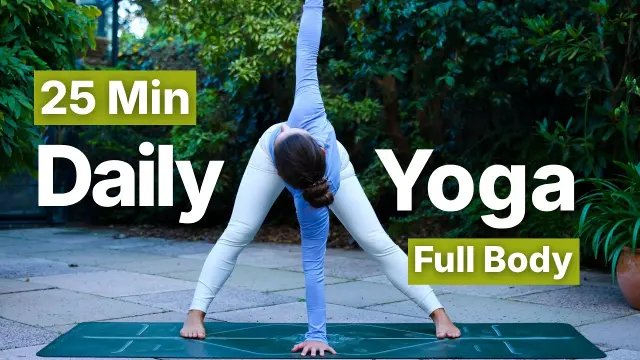 25 Minute Daily Full Body Yoga Routine
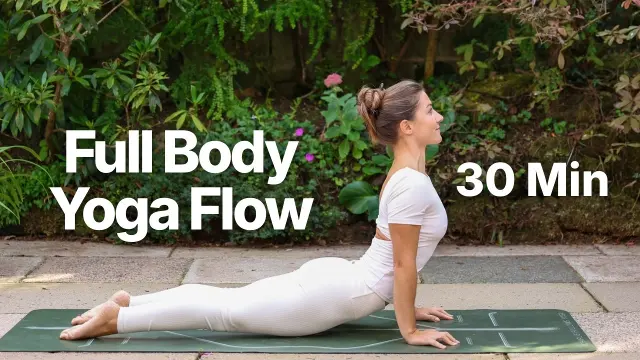 30 Minute Full Body Yoga Flow for Strength and Flexibility
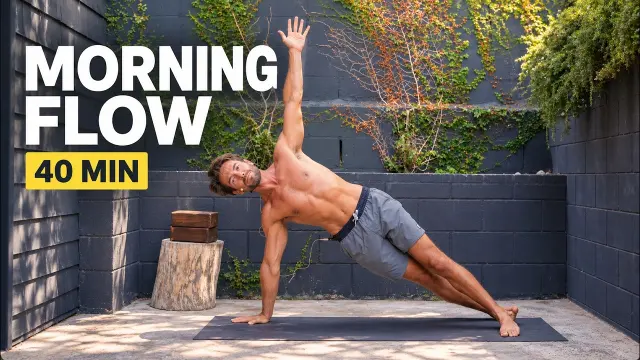 40 Minute Morning Yoga Flow for Strength and Energy
Get new #Yoga ideas by email
Every Thursday: the week's best ideas, with the newest from #Yoga.
Related tags
Yoga: A Gentle Guide to the Practice
What yoga is
Yoga is a mind-body practice that combines movement, breathing, and attention. It began in ancient India and has many traditions, but in everyday life it is often practiced as a way to build strength, flexibility, balance, and calm. Some forms are active and physically demanding, while others are slow and restorative. Whatever the style, yoga is usually about moving with awareness rather than simply exercising the body.
Common styles and approaches
There is no single way to do yoga. Some classes focus on flowing from one pose to another, while others hold each shape for longer. You may also find gentler practices that use props, breath-led practices, or classes centered on relaxation and meditation.
Read more
- Flowing styles link movement to the breath and can feel energetic.
- Slower styles emphasize alignment, stillness, and careful positioning.
- Restorative styles use support from blankets, bolsters, or blocks to encourage deep rest.
- Breath and meditation practices place more attention on quiet focus than on physical challenge.
If you are new, it helps to remember that all of these are valid forms of yoga. The right style is the one that suits your body, your energy, and your goals.
What beginners should know
Yoga is not about being naturally flexible. In fact, many people begin because they want to become more mobile, less tense, or more comfortable in their bodies. It is normal for poses to feel unfamiliar at first. You do not need to push through pain or force your body into a shape.
A few basics can make practice safer and more comfortable:
- Move slowly and breathe steadily.
- Use props such as blocks, straps, or folded blankets if they help you.
- Keep your joints supported and avoid sharp pain.
- Rest whenever you need to, including during class.
- Choose a pace that lets you stay present rather than rushed.
If you have an injury, health condition, or are pregnant, it is wise to adapt poses carefully and seek guidance from a qualified teacher or health professional when needed.
Simple practices and lasting benefits
A yoga practice can include standing poses, seated stretches, gentle twists, balance work, and relaxation at the end. Breath awareness is an important part of many sessions, because it can help you stay focused and relaxed while you move.
Over time, regular practice may help you feel more aware of how you hold tension, how you breathe, and how your body moves in daily life. Many people enjoy yoga because it offers both physical movement and mental quiet in the same practice.
A good way to begin
Start with short sessions and simple shapes. A few minutes of gentle stretching and breathing can be enough at first. Focus on consistency rather than perfection. As you practice, you will learn how different poses feel in your body, and you can slowly build from there.
Yoga works best when it feels steady, respectful, and personal. If you approach it with patience, it can become a practice you return to for many years.
Videos come from YouTube and posts from Instagram; titles and summaries are our own. All rights belong to their creators.