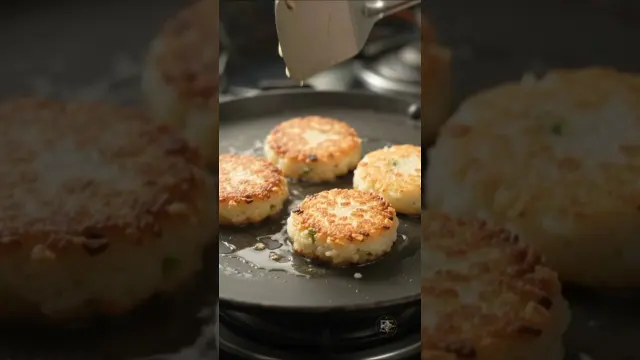
 Three Ways to Turn Leftovers Into New Meals
#Zero Waste Cooking
1 ideas
Three Ways to Turn Leftovers Into New Meals
Get new #Zero Waste Cooking ideas by email
Every Thursday: the week's best ideas, with the newest from #Zero Waste Cooking.
Related tags
Zero Waste Cooking: A Practical Guide
Zero waste cooking is a way of preparing food that aims to use as much of what you buy as possible. Instead of throwing away peels, stalks, stems, bread crusts or leftover rice, you find a use for them. The idea sits within the wider zero waste movement, which encourages people to reduce what they throw out in every part of life. In the kitchen, it simply means planning, storing and cooking with more care so that less food ends up in the bin.
The principle is old. Many traditional kitchens around the world have long relied on stretching ingredients: vegetable scraps turned into stock, stale bread transformed into soups, fruit preserved or cooked down into jams. Modern zero waste cooking revives these habits and adapts them to today's shopping and storage, rather than starting from a rulebook.
What it is used for
Most people come to zero waste cooking for a mix of reasons. Some want to save money, some want to make their weekly meals more creative, and others are concerned about the environmental cost of food that is grown, transported and then discarded. Whatever your motivation, the practice tends to make you more aware of what is in your fridge and cupboards, which alone can change how you shop.
Read more
Main approaches
There is no single method, but a few approaches come up again and again:
- Using the whole vegetable, including stems, leaves and peelings where they are clean and edible.
- Making stock from vegetable trimmings, herb stalks and, if you eat meat, bones.
- Turning day-old bread into breadcrumbs, croutons or bread puddings.
- Reinventing leftovers, for example cooked rice into fried rice or roasted vegetables into a frittata or soup.
- Preserving surplus through freezing, pickling, drying or simple jams.
- Buying loose produce and only the quantity you realistically need.
Practical tips for beginners
Start small rather than trying to change everything at once. Keep a bag or container in the freezer for vegetable scraps and fill it over time; when it is full, simmer it into stock. Store herbs and greens properly so they last longer, for instance standing herbs in water like flowers or wrapping leafy vegetables in a dry cloth. Plan a few meals for the week before you shop, and check what you already have first.
Learn to read "best before" dates with some flexibility, while still using your own judgement about smell, texture and appearance. When in doubt about whether something is safe to eat, it is better to throw it away. Food safety always comes first, so cool leftovers promptly, refrigerate them, and eat them within a sensible time.
Do not feel pressure to achieve perfection. Even a few small changes, such as making soup from the end of a vegetable box or freezing bread before it goes stale, add up. Zero waste cooking is less about rigid rules and more about curiosity: looking at an ingredient and asking what else it could become.
#Zero Waste Cooking: frequently asked questions
How do I start with zero waste cooking without overhauling my whole kitchen?
Begin with one habit rather than a full system: keep a container in the freezer for vegetable trimmings and herb stalks, then simmer them into stock once it fills up. Check what you already have before you shop, and plan a few meals around those ingredients. Small changes like freezing bread before it goes stale quickly become routine.
What do I actually need to cook this way?
Very little beyond what a normal kitchen already holds: containers for storing scraps and leftovers, a freezer with some space, and a willingness to look at an ingredient and ask what else it could become. Good storage habits matter more than gadgets, since keeping greens and herbs properly is what buys you the time to use them.
Is there one right method to follow?
No — zero waste cooking is a set of habits rather than a rulebook, and different approaches suit different kitchens. Some people focus on using whole vegetables, peels and stems included where they are clean and edible, while others concentrate on repurposing leftovers or preserving surplus by freezing and pickling. Pick whichever fits how you already cook and build from there.
How should I handle leftovers and date labels safely?
Cool leftovers promptly, get them into the fridge, and eat them within a sensible time rather than letting them linger. Treat date labels as guidance alongside your own judgement about smell, texture and appearance — and if you are genuinely unsure whether something is still good, throw it out. Food safety comes before any waste-saving goal.
What are some easy ideas for using up odds and ends?
Stale bread becomes breadcrumbs, croutons or a baked pudding, and cooked rice or roasted vegetables can be folded into a soup, frittata or a quick fry-up. Vegetable peelings, herb stalks and bones can be simmered down into stock, while surplus fruit is easily cooked into jams or frozen for later. The aim is to treat scraps as ingredients waiting for a purpose.
What mistakes do beginners usually make?
The most common is trying to change everything at once and then giving up when it feels like a set of strict rules. Another is buying in bulk with good intentions but without a plan, so the food spoils before it gets used. Loosen up, start small, and accept that a few consistent habits do more than occasional perfection.
Videos come from YouTube and posts from Instagram; titles and summaries are our own. All rights belong to their creators.