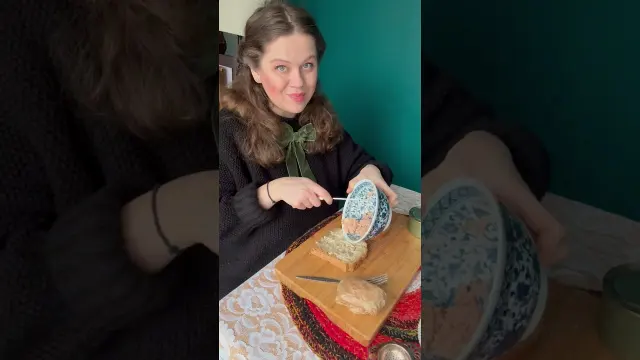
 Living on British Wartime Rations for a Day
#1940s Food
15 ideas
Living on British Wartime Rations for a Day
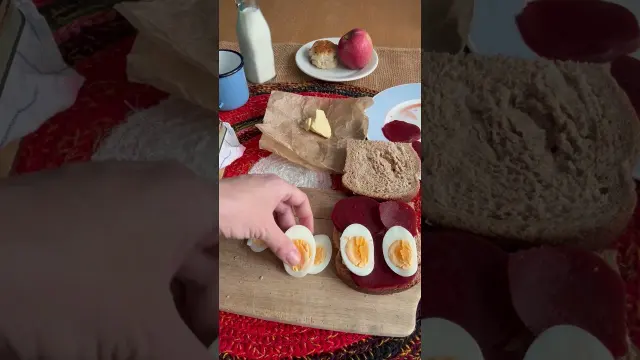 What a British Land Girl Packed for Lunch During WWII
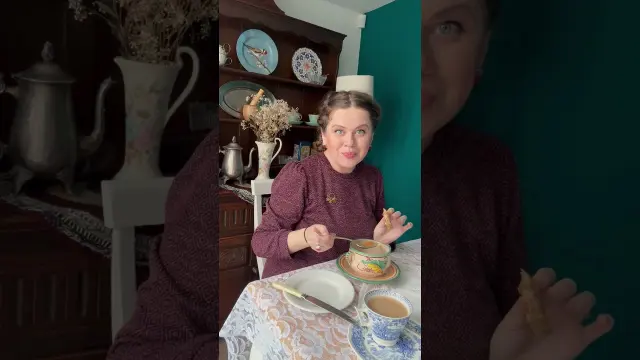 Wartime Meal Plan Featuring Simple Rations and Frugal Recipes
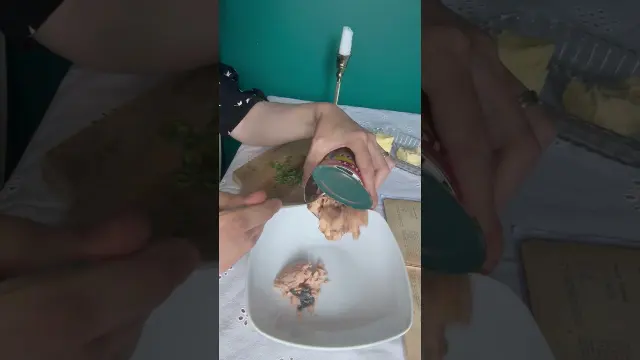 Daily Rations and Meals for a Nursing Mother in 1940s Britain
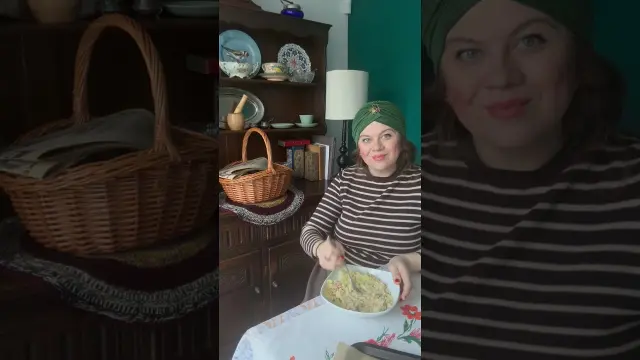 Day Three Wartime Menu with Fishcakes and Bread Pudding
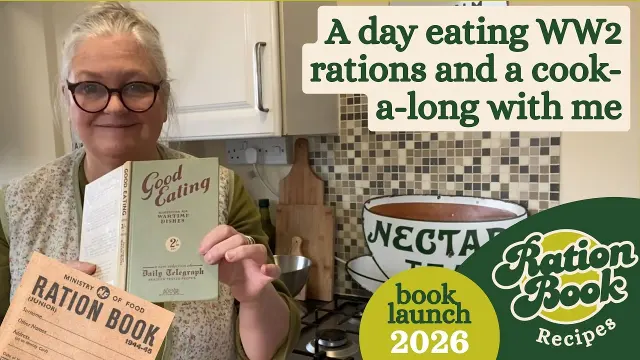 Full Day Eating WW2 Rations and Ration Book Recipes
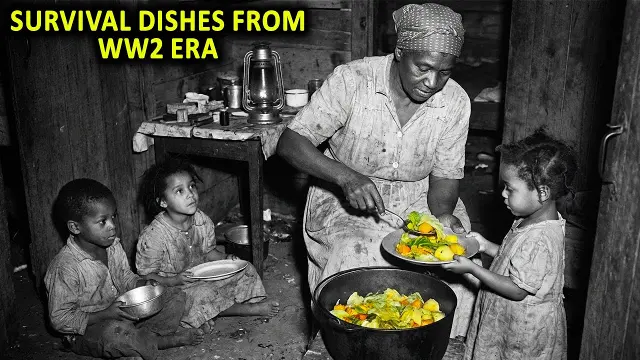 Affordable 1940s Dishes Shared by Black Ancestors During WW2
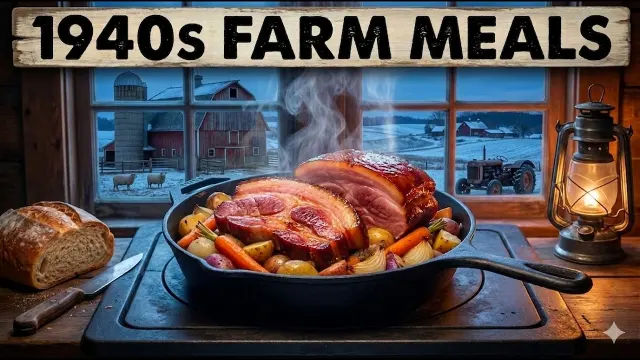 Forgotten Farm Meals from Canadian Winters in the 1940s
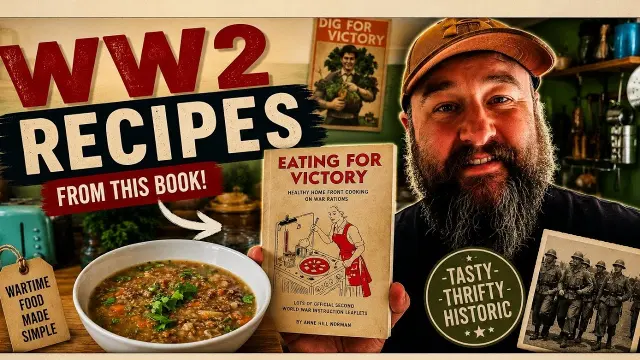 Trying WW2 Ration Recipes for a Week on a Budget
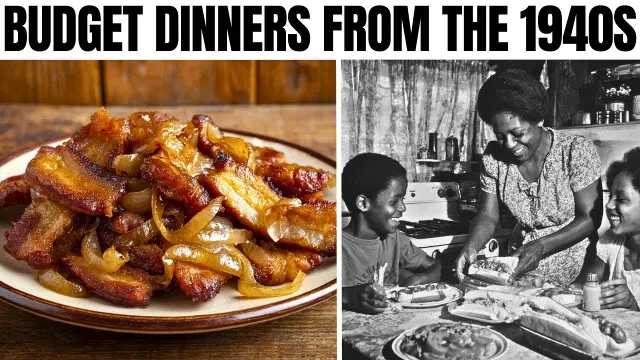 Exploring African American History Through 1940s Survival Dishes
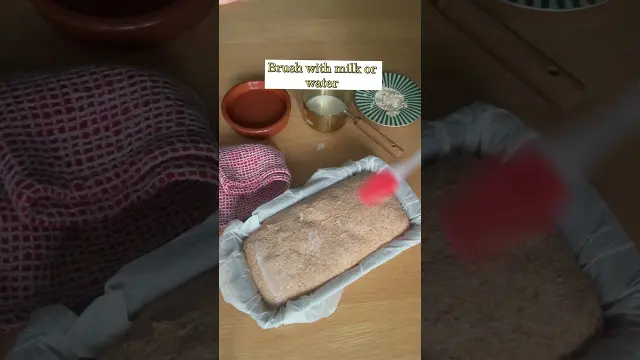 How to Bake the Traditional 1940s British National Loaf
 Day Four Wartime Menu with Milk Toast and Potato Hash
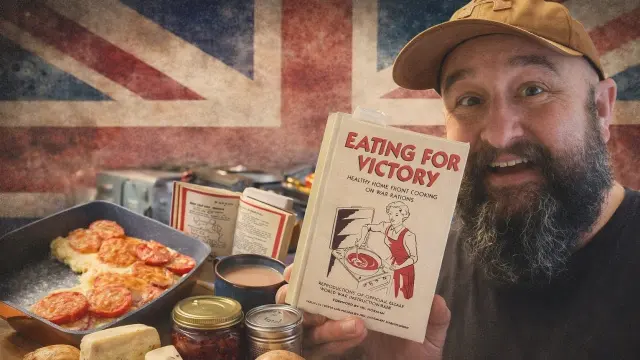 I Ate WW2 Ration Recipes for a Week Using Real Leaflets
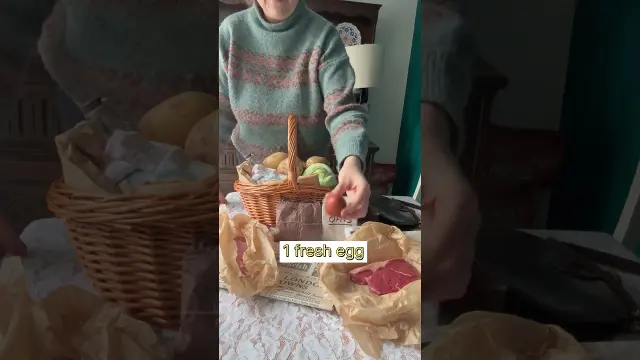 Shopping Basket Contents for a Pregnant Woman in 1940s Britain
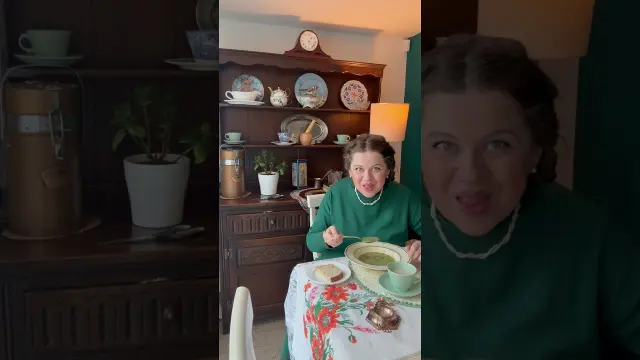 Day Five Wartime Menu with Soup and Fish
Get new #1940s Food ideas by email
Every Thursday: the week's best ideas, with the newest from #1940s Food.
Related tags
1940s Food: Wartime Cooking and Ration Recipes
1940s food is closely tied to wartime rationing, thrift, and practical home cooking. In many households, especially in Britain and other places affected by shortages, people had to make meals with limited sugar, fats, meat, and other staples. The result was a style of cooking that was resourceful, economical, and often very simple, but still nourishing and full of character.
What 1940s food was like
The 1940s were shaped by scarcity, so home cooks relied on what was available rather than what they wanted. Meals often centered on vegetables, potatoes, grains, pulses, eggs when they could be found, and small amounts of meat or fish stretched across several servings. Leftovers were important, and nothing was wasted if it could be turned into soup, pie, pudding, or a spread.
This was also a period when many families grew more of their own food. Kitchen gardens, allotments, and seasonal cooking were especially valuable. Preserving, pickling, and making jams or chutneys helped people keep food longer and use gluts when ingredients were available.
Read more
Common styles and dishes
1940s cooking is often remembered for hearty, plain, and filling dishes. You may come across:
- Savory pies and casseroles
- Vegetable soups and stews
- Potato dishes in many forms
- Puddings, cakes, and bakes made with limited fat and sugar
- Mock dishes, where one ingredient was used to imitate another
- Sandwich fillings and cold dishes made from leftovers
Baking also adapted to shortages. Cakes and biscuits were often smaller, denser, or made with alternative ingredients. Fruit was used carefully, and dried fruit could add sweetness and texture when fresh fruit was scarce.
Rationing and substitution
A key part of 1940s food is understanding substitution. Home cooks learned to swap ingredients, stretch quantities, and adjust recipes to what was on hand. This might mean using less fat, replacing meat with vegetables or pulses, or using bread, oats, or potatoes to make a dish more filling.
If you want to cook in this style, keep your pantry flexible. Flour, oats, rice, dried beans, lentils, onions, carrots, and root vegetables are useful basics. Simple herbs and seasonings can add flavor without needing many extras.
Tips for cooking in a 1940s style
- Choose seasonal produce and let it guide your meals.
- Build dishes around inexpensive staples like potatoes, cabbage, carrots, and pulses.
- Use leftovers for soups, hashes, pies, or cold lunches.
- Keep recipes straightforward; this style values practicality over fuss.
- Expect modest portions and honest flavors rather than rich sauces or elaborate decoration.
For beginners
If you are new to 1940s food, start with one familiar dish and simplify it. A vegetable soup, a potato pie, or a basic fruit pudding can give you a good feel for the era. Don’t worry about perfect authenticity at first. The spirit of 1940s cooking is adaptability: using what you have, wasting little, and making something comforting from simple ingredients.
This kind of food is more than a historical curiosity. It shows how people cooked with care, discipline, and creativity under difficult conditions, and why basic home cooking remained so important to everyday life.
Videos come from YouTube and posts from Instagram; titles and summaries are our own. All rights belong to their creators.