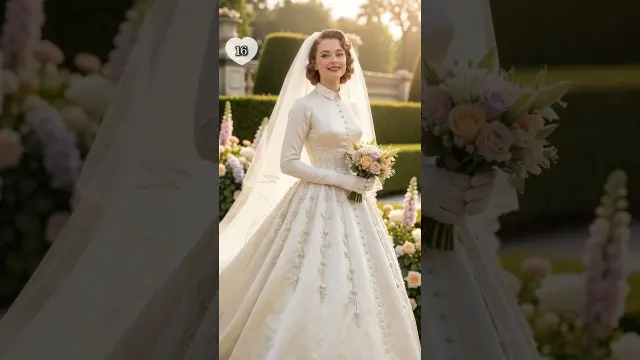
 31 Timeless 1950s Wedding Dresses in Silk, Lace and Light
#1950s Wedding Dresses
1 ideas
31 Timeless 1950s Wedding Dresses in Silk, Lace and Light
Get new #1950s Wedding Dresses ideas by email
Every Thursday: the week's best ideas, with the newest from #1950s Wedding Dresses.
Related tags
1950s Wedding Dresses: A Guide to the Timeless Look
The 1950s wedding dress is one of the most recognisable bridal silhouettes there is. Defined by a fitted waist, a full skirt and a certain ladylike polish, it captured a moment when post-war optimism and a new appetite for glamour met in the dressing room. Designers of the era drew on the romantic lines of earlier decades but pared them down into something cleaner and easier to wear, and the result has never really gone out of fashion.
The shape that defines the decade
The classic fifties gown is fitted through the bodice and waist, then flares into a wide skirt that often falls to the mid-calf or just below it. The volume came from layers of stiffened petticoats rather than from heavy construction, which made the dresses surprisingly light. Necklines varied widely: portrait collars that framed the shoulders, modest high fronts, sweetheart shapes, and short sleeves or cap sleeves that kept arms covered without hiding them. A narrow waist was emphasised with a seam or a sash, sometimes tied in a bow at the back.
Fabrics and detailing
Read more
Silk and its relatives were the prestige choices: smooth satin for the bodice, taffeta for a skirt that rustles and holds its shape, organza and chiffon for lightness. Lace was used with restraint, as a sleeve, a yoke, a bolero or a single row of trimming at the hem. Many dresses combined two materials, a plain skirt with a lace bodice or the reverse. Handwork mattered, but so did practicality: dresses were often designed so that they could be shortened and worn again afterwards.
Variations worth knowing
Hemlines were a matter of taste as much as of occasion. A ballerina-length skirt reaches to just above the ankle, giving a long, graceful line that still clears the floor for dancing. A tea-length dress ends higher, around mid-calf or just below the knee, and shows off the shoes. Some brides chose a slim, tailored dress with a short jacket for a registry office, and the era also gave us the little veil and the elbow-length glove as bridal accessories, along with small hats and floral headpieces. Colour was not always pure white: ivory, cream, champagne and pale blue all appeared.
If you are choosing one now
Start with your own proportions rather than with a photograph. A full skirt flatters most figures, but the waistline placement matters more than the volume: a slightly raised waist elongates the body, while a natural waist is truer to the period. Check whether you will be comfortable sitting, dancing and climbing stairs in a long, stiff petticoat. If you are buying vintage, look closely at the fabric under the arms and at the hem for wear, and let a good seamstress assess whether the seams can be let out. Reproduction patterns and modern makers offer the same lines in fresh fabric, which is often the gentler option. Pair the dress with simple shoes and a small veil, and let the silhouette do the work.
#1950s Wedding Dresses: frequently asked questions
How do I start choosing a 1950s wedding dress?
Begin with your own proportions and how you want to feel, rather than with a photo you admired. Try on a few full-skirted shapes to see where the waistline sits best on you, since the seam position does more for the figure than the amount of volume. Then decide whether you want original vintage, a modern reproduction, or a dress made from a period pattern.
What defines the classic fifties bridal silhouette?
It is a fitted bodice and nipped waist that flares into a wide skirt, usually ending somewhere between mid-calf and just above the ankle. The fullness comes from layered petticoats instead of heavy inner construction, which keeps the gown light to wear. Portrait collars, high fronts, sweethearts, cap sleeves and a sash or seam at the waist are all typical of the era.
What fabrics and details should I expect in a dress of this era?
Satin, taffeta, organza and chiffon were the prestige choices, prized for holding shape or floating lightly. Lace was normally used sparingly, as a sleeve, yoke, bolero or a single row of trim at the hem, and many gowns mixed a plain skirt with a lace bodice or the reverse. Look for handwork that still feels practical, such as finishes that would allow the dress to be shortened and worn again.
Ballerina length or tea length, which should I pick?
Choose ballerina length if you want a long, graceful line that still clears the floor for dancing. Tea length ends higher, around mid-calf or just below the knee, and lets your shoes become part of the look. Also consider the setting and season of your day, and whether you will be comfortable sitting and moving in a long, stiff petticoat.
How should I care for an original fifties gown?
Inspect any vintage dress closely under the arms and along the hem for thinning fabric or wear before you commit. Have a good seamstress check whether the seams can be let out, because older fabric tolerates alterations less gracefully than new cloth. Store it flat or well supported, away from damp and light, and leave cleaning to someone experienced with delicate silks and lace.
What accessories suit this style, and what mistakes should I avoid?
A small veil, elbow-length gloves, a little hat or a floral headpiece finish the look without competing with the dress, and simple shoes let the silhouette lead. The common mistakes are choosing a skirt so full that you cannot sit or climb stairs, and over-accessorising a shape that already carries plenty of detail. Do not overlook waistline placement either, since that single seam decides how flattering the gown reads.
Videos come from YouTube and posts from Instagram; titles and summaries are our own. All rights belong to their creators.