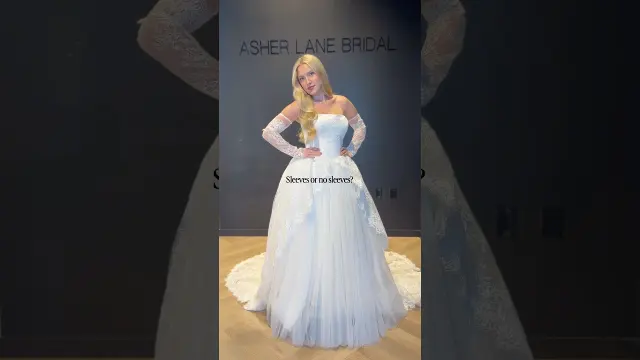
 Vintage Lace Ballgown Shown With and Without Sleeves
#Vintage Bridal
2 ideas
Vintage Lace Ballgown Shown With and Without Sleeves
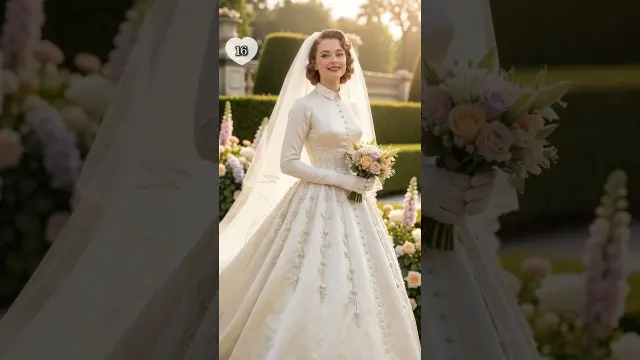 31 Timeless 1950s Wedding Dresses in Silk, Lace and Light
Get new #Vintage Bridal ideas by email
Every Thursday: the week's best ideas, with the newest from #Vintage Bridal.
Related tags
Vintage Bridal: A Guide to Timeless Wedding Style
Vintage bridal is about dressing for a wedding with pieces, silhouettes and details borrowed from earlier decades, whether you wear an original antique gown, a faithful reproduction, or a modern dress with a vintage sensibility. It is less a single look than a way of thinking: choosing clothes that feel like they carry a story rather than following whatever is newest.
Where the idea comes from
Brides have always worn their best, but the modern notion of the "vintage wedding" grew out of a love for the craftsmanship of the past: hand-finished lace, covered buttons, bias-cut silk, intricate beading and embroidery that took weeks to complete. Each era left brides a distinct vocabulary to draw from, and many couples now mix a period dress with contemporary styling so the result feels personal rather than costume-like.
The main decades
Read more
The 1920s brought dropped waists, fluid silks and beaded headpieces, romantic and slightly rebellious. The 1930s favoured slender bias-cut satin that skimmed the body, often with a small train and dramatic back. The 1940s, shaped by rationing, produced simpler dresses with strong shoulders, neat sleeves and knee-length or tea-length skirts that suit informal or civil ceremonies beautifully. The 1950s is the era most people picture: full tulle skirts, nipped waists, modest necklines and lace sleeves. The 1960s offers clean shifts and mini dresses for brides who want something playful.
Fabrics and details worth knowing
Lace is the heart of vintage bridal, from dense Alençon-style florals to fine chantilly. Silk satin, crepe, taffeta and organdy give structure and sheen; velvet and wool suit cooler months. Look for the small signatures of age and skill: covered buttons, hand-rolled hems, hook-and-eye closures, delicate appliqué and embroidery. A veil, a beaded cap, a pillbox hat, gloves or a simple pearl strand usually finish the look better than a great many accessories.
If you are buying vintage
Original gowns come from antique dealers, specialist bridal vintage shops, estate sales and family wardrobes. Inspect seams, underarms and hem edges for strain or discolouration, and ask about previous alterations. Sizing is not comparable to modern sizing, so measure yourself and compare with the garment's actual measurements rather than the label. Be realistic about what can be changed: taking in is usually easier than letting out, and old lace rarely survives major rebuilding. A good dressmaker who understands period construction is worth finding early.
Practical tips
Try the dress on with the underwear and shoes you intend to wear, since vintage shapes behave differently. Allow time for cleaning, repairs and fittings. If you plan to dance or travel, test the skirt and train by walking and sitting. Store the gown flat or hanging with padded support, away from direct sunlight, and have it professionally cleaned after the wedding. Most of all, wear it as yourself: the charm of vintage bridal comes from the person inside the dress, not from the era it was made in.
#Vintage Bridal: frequently asked questions
How do I start planning a vintage bridal look?
Start by deciding which approach suits you: an authentic antique gown, a careful reproduction, or a modern dress with old-fashioned details. From there, settle on a single era that speaks to you and let its silhouettes guide the dress, veil and accessories. Trying things on early matters, because vintage shapes sit very differently from modern ones.
What do I need to know before buying an original vintage wedding dress?
Inspect the seams, underarm areas and hem edges for strain, thinning or discolouration, and ask openly about earlier alterations. Compare your own measurements with the garment's actual measurements rather than the label, since old sizing means little today. Find a dressmaker who understands period construction before you commit, because taking a dress in is far easier than letting it out.
Which era should I choose for my vintage wedding dress?
Let the shape you feel best in decide it. Fluid, beaded silks with dropped waists feel romantic and a little rebellious, bias-cut satin skims the body with a dramatic back, simpler tea-length styles with neat sleeves suit informal or civil ceremonies, and full tulle skirts with nipped waists and lace sleeves give the classic picture most people imagine. Playful shifts and short dresses are there for brides who want something lighter.
How should I care for a vintage wedding gown before and after the wedding?
Store it flat or hanging with padded support, well away from direct sunlight, and allow proper time for cleaning and repairs before any fitting. Old lace and silk are fragile, so let a specialist handle cleaning rather than attempting it yourself. After the wedding, have it professionally cleaned before putting it away for good.
What accessories finish a vintage bridal outfit?
A veil, a beaded cap, a small structured hat, gloves or a simple strand of pearls will usually do more than a pile of extras. The trick is choosing one or two pieces that belong to the same era as the dress and letting them stay quiet. Wear the whole outfit with the underwear and shoes you actually intend to wear, since vintage proportions behave unexpectedly.
What mistakes do people make with vintage bridal styling?
The most common one is chasing an era so literally that the outfit starts to look like a costume rather than a wedding dress. Another is buying on label size or assuming a gown can be rebuilt freely, when fragile old lace rarely survives major reconstruction. Test the skirt and train by walking, sitting and dancing before the day, and remember the charm comes from the person wearing it.
Videos come from YouTube and posts from Instagram; titles and summaries are our own. All rights belong to their creators.