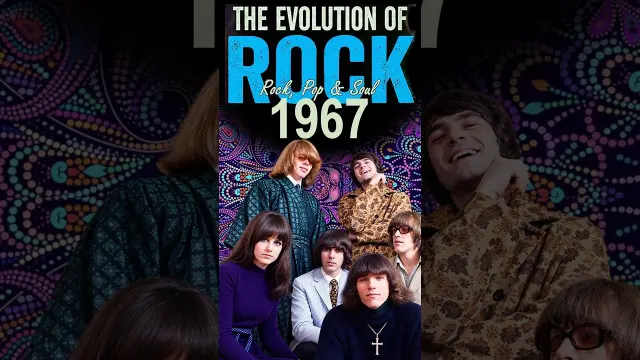
 1967 Billboard Hit Songs Countdown by Month
#1960s Music
4 ideas
1967 Billboard Hit Songs Countdown by Month
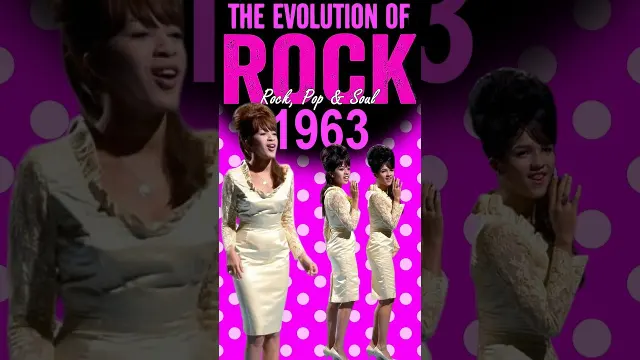 1963 Billboard Hits Month by Month Countdown
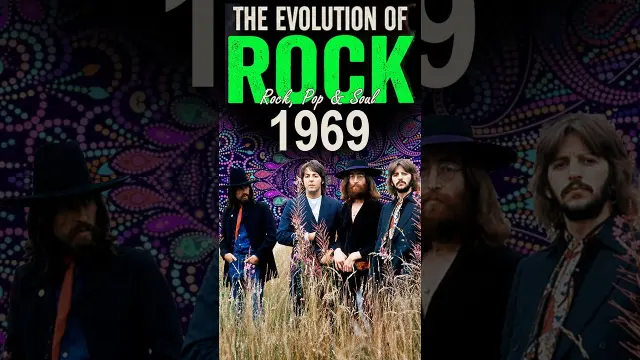 1969 Billboard Hits Countdown by Month
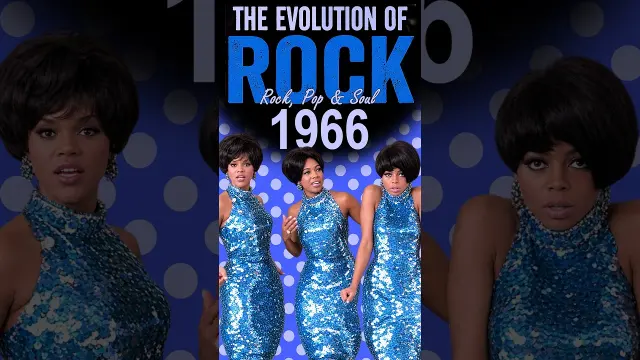 1966 Billboard Hits Three Minute Retro Countdown
Get new #1960s Music ideas by email
Every Thursday: the week's best ideas, with the newest from #1960s Music.
Related tags
A Beginner's Guide to 1960s Music
The 1960s is the decade when popular music stopped being a sideline and became the main event. Records made by young people for young people moved to the centre of the culture, and the single — a small disc played on a jukebox, a portable radio or a family turntable — became the normal way to hear new music. Almost everything that followed in pop, rock, soul and dance music borrows something from these years.
Where the decade began
The early sixties grew straight out of the late fifties: blues, country, gospel and close-harmony vocal groups all fed into a bright, beat-driven sound. Alongside it sat lighter pop — dance crazes, teenage ballads, film themes — and instrumental surf music, built on twanging guitars drenched in reverb and steady, driving drums.
Beat groups and the British Invasion
Read more
British bands who had grown up collecting American blues and rhythm and blues records began writing their own material and playing it themselves: guitars, bass and drums, no orchestra. The idea that a band wrote its own songs, chose its own clothes and spoke for its audience spread quickly and changed how records were made.
Soul and rhythm and blues
Soul took the call-and-response of gospel singing and put it behind secular lyrics. Two approaches dominated. One was polished and pop-facing, with tambourines, handclaps and carefully arranged backing vocals. The other was earthier, with a looser groove and a harder vocal. Both put the voice — raw, ornamented, shouty, tender — at the front of the mix.
Folk, protest and the singer-songwriter
Parallel to all this, acoustic guitars and close harmony carried traditional songs and new topical lyrics. Folk clubs prized sincerity and a good story; when folk musicians plugged in, folk-rock was born, and the personal, confessional song became a permanent part of pop.
Psychedelia and the studio
Later in the decade, the recording studio became an instrument. Tape could be reversed, sped up or spliced; instruments were treated with echo and phasing; non-Western sounds entered the palette. Albums became sequences meant to be heard whole, in stereo as well as mono.
How to start listening
- Go one year at a time and play the chart hits in order. The story of the decade shows up in the singles.
- Follow a city or a record label for a while. Regional scenes sound unmistakably different.
- Play albums in sequence rather than cherry-picking, then go back and listen to the B-sides.
- Notice the mix. Mono and stereo versions of the same record can feel like different performances.
- Start with compilations, then move to original albums once a song catches you.
What beginners often get wrong
Not everything was revolutionary. Plenty of gentle pop, novelty songs and film music shared the charts with the experimental records, and that mixture is part of the charm. The decade also isn't a single sound: it is dozens of local scenes running at different speeds.
Take it slowly. Pick a year, play what was actually popular rather than only what is famous now, and let the plain, warm sound of the period do the rest.
#1960s Music: frequently asked questions
How should I start exploring 1960s music if I’m a beginner?
A good way to begin is to listen to the decade in order through popular singles, because that is where the changing sound of the era is easiest to hear. You can also follow one city, scene, or record label for a while, then branch out once a song or style grabs you.
Should I start with singles or full albums from the 1960s?
Singles are the easiest entry point because they capture the fast-moving pop side of the decade and show how styles changed from song to song. After that, full albums are worth hearing in sequence, especially when you want to experience the studio-based, more adventurous side of the period.
What kind of 1960s music should I choose first?
It depends on what you enjoy most: bright beat music, soulful vocals, acoustic folk, or more experimental psychedelic sounds. If you are unsure, start with compilations and then follow the style that feels most natural to you.
What is the best way to listen to 1960s records for the full effect?
Pay attention to the mix, because mono and stereo versions can feel surprisingly different and can change the impact of the song. It also helps to listen all the way through instead of skipping around, since many records were made to be heard as a complete experience.
What are common mistakes people make when listening to 1960s music?
One common mistake is assuming the decade has only one sound, when it actually contains many local scenes, moods, and styles. Another is focusing only on the most famous songs and missing the lighter pop, novelty tunes, and film music that were part of the era too.
Videos come from YouTube and posts from Instagram; titles and summaries are our own. All rights belong to their creators.