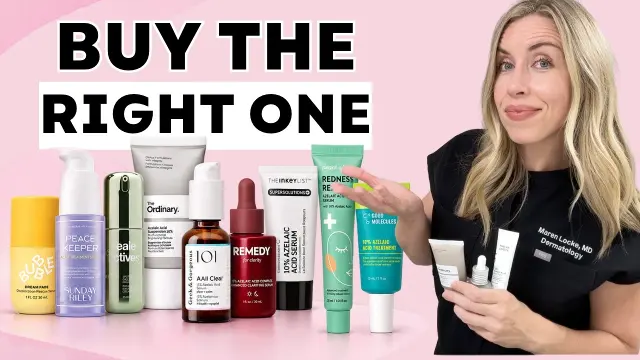
 Dermatologist Compares Nine Azelaic Acid Products
#Acne Skincare
1 ideas
Dermatologist Compares Nine Azelaic Acid Products
Get new #Acne Skincare ideas by email
Every Thursday: the week's best ideas, with the newest from #Acne Skincare.
Related tags
Acne Skincare: A Beginner's Guide to Clearer Skin
Acne is one of the most common skin concerns there is, and it affects people well beyond their teenage years. At its core, acne happens when a pore becomes blocked by sebum, the oil your skin produces naturally, along with dead skin cells. Bacteria that normally live on the skin can then multiply in the blocked pore, and the surrounding area becomes red and inflamed. Hormones, genetics, stress, humidity and certain medications all influence how often this happens, which is why two people with similar routines can have very different skin.
Getting to know your breakouts
Not all spots are the same, and knowing what you are looking at helps you choose what to do. Blackheads and whiteheads are non-inflamed blockages: dark-topped or flesh-coloured bumps with a small opening. Papules and pustules are the inflamed kind, appearing red and sometimes with a visible white centre. Deeper, painful lumps that sit under the skin are a different matter and often scar; those are worth showing to a doctor rather than treating at home.
You may also notice that breakouts cluster in certain areas. The forehead and hairline are often linked to hair products and sweat, the cheeks to phone contact and pillowcases, and the chin and jaw to hormonal fluctuations. None of this is a rule, but patterns are useful clues.
Read more
Building a routine that does not fight your skin
The temptation with acne is to attack it: scrub hard, apply everything at once, dry it out. That usually backfires. Irritated skin is more inflamed skin, and a harsh routine makes it harder to keep going long enough to see results.
A simple, consistent routine works better:
- Cleanse gently twice a day with a mild, non-stripping cleanser. If your skin feels tight afterwards, the cleanser is too harsh.
- Treat, if you want to, with one active ingredient at a time. Salicylic acid helps keep pores clear; benzoyl peroxide targets acne bacteria; azelaic acid and niacinamide are often better tolerated by sensitive skin.
- Moisturise every day, even oily skin. Lightweight, non-comedogenic formulas keep the skin barrier intact.
- Protect with sunscreen in the morning. Some acne treatments increase sun sensitivity, and post-acne marks darken faster in the sun.
Introduce one new product at a time and give it several weeks before judging it. Most actives need time, and layering three new things at once tells you nothing about which one helped.
Habits that quietly make a difference
Change your pillowcase regularly, keep hair products away from your face, and clean your phone screen. Resist picking, since squeezing a spot pushes inflammation deeper and lengthens healing. Wash your face after exercise rather than letting sweat sit. Choose makeup and skincare labelled non-comedogenic, and remove it before bed.
Be patient with yourself: skin changes slowly, and consistency matters more than any single product. If breakouts are widespread, painful or leaving marks, a dermatologist can offer options that go beyond what you can buy yourself.
#Acne Skincare: frequently asked questions
How do I start an acne skincare routine without making my skin worse?
Begin with the basics: a gentle cleanser, a light non-comedogenic moisturiser and a morning sunscreen, and let your skin settle into that for a while before adding anything else. When you do introduce a treatment, add one product at a time so you can actually tell whether it is helping or irritating you. If your skin feels tight or stinging after cleansing, the product is too stripping rather than working harder.
What actually causes breakouts in the first place?
A pore gets blocked by the oil your skin produces naturally along with dead skin cells, and bacteria that normally live on the skin then multiply in that blocked pore, which is what makes the area red and inflamed. Hormones, genetics, stress, humidity and some medications all affect how often this happens, which is why two people with similar routines can have very different skin. It is not simply a matter of being unclean.
How do I choose between the different acne treatments on the shelf?
Match the ingredient to what you are dealing with and to how tolerant your skin is: some actives focus on keeping pores clear, others on the bacteria involved, and gentler options suit reactive or sensitive skin better. If you have sensitive skin, start with the mildest option and build up rather than going straight for the strongest thing available. Whatever you pick, give it several weeks before deciding it does not work.
Which daily habits make the biggest difference to breakouts?
Small, boring things add up: change your pillowcase regularly, keep hair products off your face, wipe down your phone screen, and wash your face after exercise instead of letting sweat sit. Resist picking, because squeezing a spot pushes inflammation deeper and makes healing take longer. Choosing makeup and skincare labelled non-comedogenic, and always removing it before bed, also helps.
What are the most common mistakes people make with acne skincare?
The biggest one is attacking the skin — scrubbing hard, drying it out, and layering several new actives at once — which tends to leave skin more irritated and more inflamed. Another is quitting too early, since most treatments need consistent use over weeks before you see a change. Skipping moisturiser and sunscreen is also common, even though both protect the skin barrier and help post-acne marks fade less slowly.
When should I stop treating acne at home and see a professional?
Deeper, painful lumps that sit under the skin are a different matter from everyday spots and are worth showing to a doctor rather than treating yourself, especially since they can scar. The same goes if breakouts are widespread, painful, or leaving marks behind. A dermatologist can offer options that go beyond what you can buy on your own.
Videos come from YouTube and posts from Instagram; titles and summaries are our own. All rights belong to their creators.