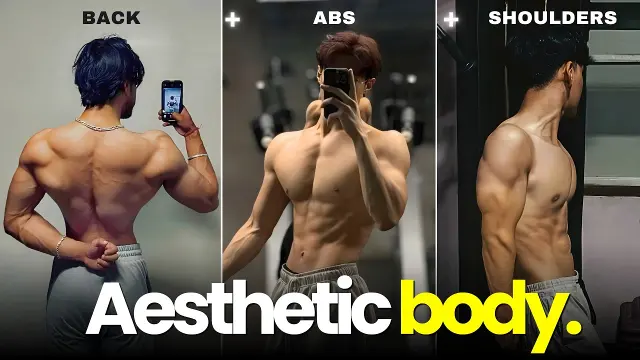
 A Beginner's Guide to Building an Aesthetic Body
#Aesthetic Body
2 ideas
A Beginner's Guide to Building an Aesthetic Body
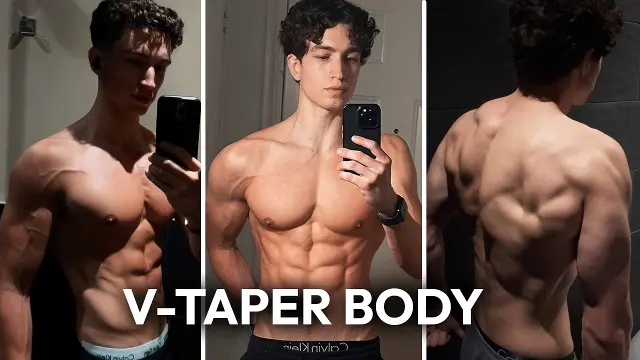 How to Build a More Aesthetic Body Without Extremes
Get new #Aesthetic Body ideas by email
Every Thursday: the week's best ideas, with the newest from #Aesthetic Body.
Related tags
Aesthetic Body: Training for Shape, Balance and Posture
An aesthetic body is a physique that is trained with appearance in mind, not only performance. The idea is that muscle, body fat, posture and proportion can be shaped deliberately, so that the body reads as balanced and harmonious rather than simply strong or simply thin. It is less a single look than a way of thinking about training: you choose exercises, eating habits and daily movement partly because of how they change your shape.
Where the idea comes from
The word "aesthetic" is borrowed from art, where it describes what pleases the eye. Physique sports adopted it because competitors are judged on symmetry, proportion and condition as much as on size. From that world the term drifted into general fitness culture, where it now covers everything from serious strength training to gentle posture work. That history is worth knowing, because most of the standards people compare themselves to began as judging criteria for a stage, not as rules for ordinary life.
What people usually mean by it
Read more
A few themes come up again and again. Proportion, meaning the relationship between shoulders, waist, hips and limbs. Symmetry, or an even development between left and right, front and back. Condition, which is simply how much muscle definition is visible. And posture, which is often the fastest thing to change and the one people notice first. It helps to remember that ideals of shape shift between cultures and decades, and that bone structure and frame are largely given. Training works within your own build, not against it.
Main approaches
- Hypertrophy training, using resistance work and moderate repetitions to add muscle where you want fullness.
- Athletic or functional training, which builds strength alongside mobility and movement quality.
- A lean approach, combining modest strength work with plenty of everyday activity and steady eating habits.
- Posture and alignment work, including core training, stretching and attention to how you sit and stand.
Most people end up blending two or three of these, and that is fine.
What beginners should know
Start with a handful of basic patterns: squat, hinge, push, pull and carry. Learn them slowly with light resistance before adding weight. Consistency matters far more than intensity, so choose a routine you can repeat on ordinary weeks. Eat enough to support the training, sleep properly, and take rest days without guilt. Progress in small steps, and expect months rather than weeks.
Practical tips
- Photograph yourself in the same light and stance occasionally; the mirror is a poor record keeper.
- Keep a simple log of a few lifts so you can see gradual progress.
- Notice posture during the day, but do not force a rigid position for hours.
- Avoid long periods of very restrictive eating; they cost you energy and muscle.
- Ask for help with technique if something feels wrong rather than pushing through.
Keeping it healthy
Shape changes should not come at the cost of how you feel. If you have pain, an injury or a health condition, speak to a qualified professional before starting. And be kind to yourself about comparison: the bodies you see online are chosen, posed and often temporary. A body you can live in comfortably is the more durable achievement.
#Aesthetic Body: frequently asked questions
How do I start building an aesthetic body if I have never trained before?
Begin with a small set of fundamental movements — a squat, a hinge, a push, a pull and a carry — and practise them with light resistance until the technique feels natural. Add weight slowly, and pick a schedule you can actually repeat during a normal busy week, since steady repetition matters much more than occasional hard sessions. Expect change over months, not weeks.
What do I actually need to get started, and do I need a gym?
You need very little beyond a way to add resistance and enough food and sleep to recover from the work. Bodyweight movements, bands or a few basic weights can all build shape, and many people train at home before joining a gym. A simple written log of a handful of exercises is more useful than expensive equipment.
Which approach should I choose — hypertrophy, athletic training, a lean style, or posture work?
It depends on what you want to change and what you enjoy enough to keep doing. Hypertrophy adds fullness to specific areas, athletic training builds strength with movement quality, a lean approach leans on everyday activity and consistent eating, and posture work often shows up fastest in how you look and feel. Most people blend two or three of these rather than committing to one.
How do I care for my body so that shaping it does not backfire?
Eat enough to support your training, sleep properly and take rest days without feeling guilty about them. Avoid long stretches of very restrictive eating, which tends to cost you energy and muscle rather than shape. If something hurts or feels wrong, get help with technique instead of pushing through, and speak to a qualified professional if you have a condition or injury.
What are the most common mistakes people make when chasing an aesthetic body?
The usual ones are chasing intensity over consistency, copying a routine that does not fit their own frame, and judging progress by the mirror alone. Comparing yourself to posed, temporary images online is another trap — the standards in physique culture began as judging criteria, not rules for daily life. Photographing yourself in the same light occasionally gives a far more honest record.
Can I improve how my body looks without extreme dieting or heavy training?
Yes — posture and daily movement are often the fastest things to change, and they are the changes other people notice first. Core work, stretching and simply paying attention to how you sit and stand can shift how your shape reads. Modest strength work combined with plenty of everyday activity is a reasonable, sustainable path.
Videos come from YouTube and posts from Instagram; titles and summaries are our own. All rights belong to their creators.