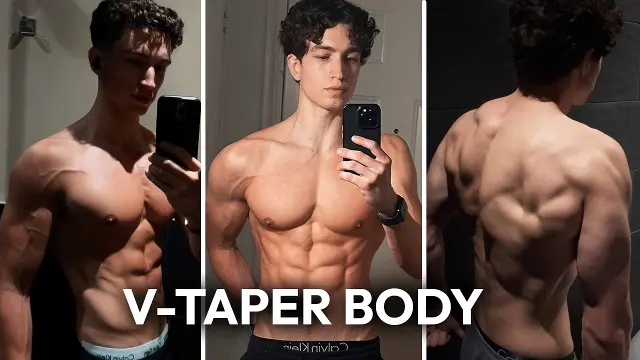
 How to Build a More Aesthetic Body Without Extremes
#Fitness Fundamentals
1 ideas
How to Build a More Aesthetic Body Without Extremes
Get new #Fitness Fundamentals ideas by email
Every Thursday: the week's best ideas, with the newest from #Fitness Fundamentals.
Related tags
Fitness Fundamentals: Where to Start and How to Keep Going
Fitness is one of those words that gets used loosely. In its simplest sense it describes the ability to do what you want to do — climb the stairs without thinking about it, carry your shopping, play with a child, walk a long way on holiday — without undue strain. It is not a look, and it is not a single skill. It is a general capacity that you build gradually and keep by using it.
The pieces that make it up
Most fitness guidance describes a few broad qualities, and it helps to know them because they are trained in different ways.
- Cardiovascular endurance, sometimes called stamina: how well your heart and lungs supply working muscles over time. Built by walking, cycling, swimming, dancing, or anything that raises your breathing rate and keeps it there for a while.
- Strength: how much force your muscles can produce. Built by resistance work — bodyweight movements, free weights, machines, resistance bands, or carrying and lifting in daily life.
- Flexibility and mobility: the range of movement available at your joints. Built by regular stretching and by moving through full ranges rather than always sitting still.
- Balance and coordination: steadiness and control, which matter more with age and are trained by practices such as standing on one leg, tai chi, or any sport that asks you to move precisely.
Read more
Skill, speed and power sit on top of these, but they are refinements. Beginners do well to start with the first three.
What beginners should know
The most common mistake is starting too hard, too fast, and too often. Enthusiasm on day one becomes soreness on day three, and then nothing. Start with less than you think you can manage and add slowly — the point of early sessions is not to exhaust yourself but to establish the routine and let your body adapt.
Warm up briefly before you train, moving the joints and raising your pulse with something gentle. Finish with a few minutes of slower movement and stretching. Soreness for a day or two after new activity is ordinary; sharp pain, joint pain, or pain that worsens is a signal to stop and, if it persists, to seek proper advice.
A balanced week usually mixes some cardiovascular work, some strength work, and some mobility, with rest days in between. Rest is not laziness — adaptation happens while you recover, not while you train.
Habits that carry you
Consistency beats intensity. Three short sessions you actually do are worth more than one perfect session you dread. Pick activities you find tolerable or even enjoyable, because those are the ones you will repeat. Track something simple — sessions completed, a walk lengthened, a movement that has become easier — rather than only the scales.
Sleep, food and stress all shape how training feels, so treat them as part of the picture rather than extras. And if you have an existing health condition, are pregnant, or are returning from injury, check with a qualified professional before starting something new.
Fitness is a long, unglamorous, cumulative project. Begin modestly, repeat often, and let the results arrive quietly.
Videos come from YouTube and posts from Instagram; titles and summaries are our own. All rights belong to their creators.