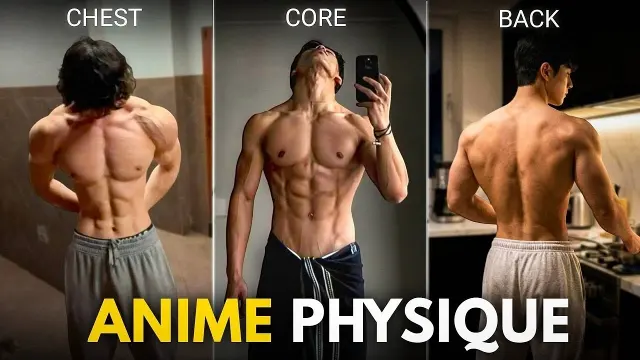
 How to Train for an Aesthetic Physique at Home
#Aesthetic Physique
3 ideas
How to Train for an Aesthetic Physique at Home
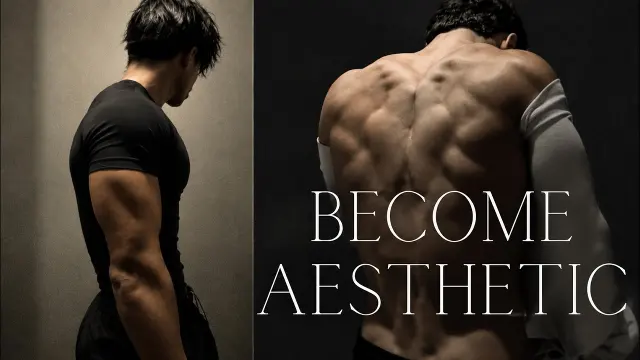 A Guide to Training for an Aesthetic Physique
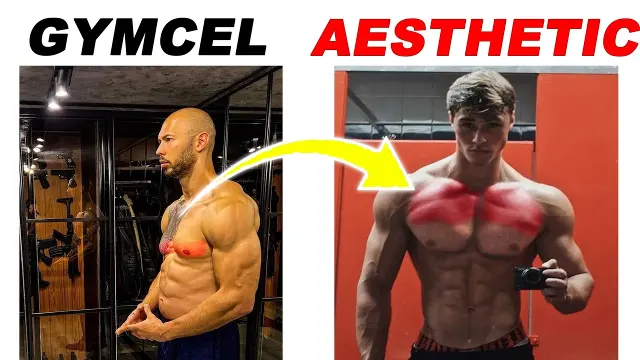 Training the Upper Chest for a More Aesthetic Look
Get new #Aesthetic Physique ideas by email
Every Thursday: the week's best ideas, with the newest from #Aesthetic Physique.
Related tags
Aesthetic Physique: Training for Balance and Shape
An aesthetic physique is one judged by proportion and shape rather than sheer size. The idea runs back to classical sculpture, where the ideal body was measured against ratios: broad shoulders tapering to a narrow waist, a balanced upper and lower body, and a frame that looks harmonious from every angle. Modern physique culture picked that thread up and turned it into a training goal — not the biggest body in the room, but the most balanced one.
What the look is built from
The centrepiece is usually the V-taper: shoulders and upper back wide enough to contrast with a tighter waist. Around that sit the quieter elements — symmetrical arms, a chest that fills out the upper portion as well as the middle, visible but not extreme leanness, and legs that match the torso instead of being an afterthought. Proportion is what carries the look. A lifter with average size and even development often reads as more aesthetic than one with one or two standout muscles.
How it is trained
Read more
Aesthetic training is ordinary strength training with the priorities rearranged. Heavy compound work — presses, rows, pull-ups, squats and hip hinges — builds the structure. Then width and shape get extra attention: lateral raises for the side delts, pulling movements for the lats, and enough chest work angled toward the upper portion to round out the front.
- Train the whole body. Skipping legs breaks the proportion you are chasing.
- Add load gradually. Small increases over months beat heroic weeks.
- Keep the waist in check mostly through overall body fat and core control, not through endless twisting work.
- Eat enough protein and choose a modest surplus or a slight deficit depending on whether you are building or leaning out.
- Sleep and rest days are part of the programme, not a break from it.
Directions within it
Some people chase a classic look — moderate size, strong taper, an emphasis on posing and lines. Others lean toward a leaner, upper-body-led shape, or train entirely at home with pull-ups, dips, push-up variations and bands. Natural training simply means doing it without enhancements: slower progress, but the same principles.
If you are starting
Spend the first months on form, not on fine-tuning. A full-body routine two or three times a week, repeated and gradually loaded, will do more for your shape than a complicated split. Take progress photos monthly rather than daily, since change is slow and mirrors lie. Stay out of year-round dieting, and treat nagging pain as a reason to adjust rather than push through. Your skeleton sets the frame; training shapes what sits on it.
#Aesthetic Physique: frequently asked questions
How do I start training for an aesthetic physique?
Begin with a straightforward full-body routine built on compound movements — presses, rows, pull-ups, squats and hip hinges — repeated consistently and loaded a little heavier over time. Spend your early weeks learning form rather than chasing detail work, since a balanced base matters more than a clever split. Track progress with occasional photos instead of daily mirror checks, because change is slow.
What equipment do I actually need to build an aesthetic look?
Very little is essential: a way to pull, a way to press, and something to load progressively will carry you a long way. Bodyweight work, a pull-up bar, dips, bands and a pair of adjustable weights cover most of what the look demands. Gyms make progression easier, but a home setup with bands and pull-up variations trains the same principles.
Which direction within aesthetic training should I choose?
The choice comes down to what you enjoy and what your frame supports: a classic look with moderate size and a strong taper, a leaner upper-body-led shape, or a home-based approach built on bodyweight and bands. All of them rest on the same foundation of balanced development and gradual loading. Pick the one you will actually keep showing up for.
How do I maintain an aesthetic physique once I have built it?
Maintenance is mostly about not abandoning the basics — keep training the whole body, keep protein adequate, and avoid living in a permanent diet. Sleep and rest days do real work here, so treat them as part of the plan rather than time off. If something starts nagging, adjust the training instead of pushing through it.
Can I train for an aesthetic physique at home?
Yes. Pull-ups, dips, push-up variations and resistance bands are enough to build width and shape, especially if you keep finding ways to make each movement harder. The limitation at home is usually legs and progressive loading, so add single-leg work and band or weighted resistance where you can. Progress tends to be slower, but the principles are identical.
What are the most common mistakes people make chasing an aesthetic physique?
The usual ones are skipping legs, overworking the showpiece muscles and neglecting the back and side delts that create the taper. Others diet year-round, chase daily visible change, or add complexity before they have mastered form. Keeping the waist in check through overall body fat and core control — rather than endless twisting exercises — avoids another frequent trap.
Videos come from YouTube and posts from Instagram; titles and summaries are our own. All rights belong to their creators.