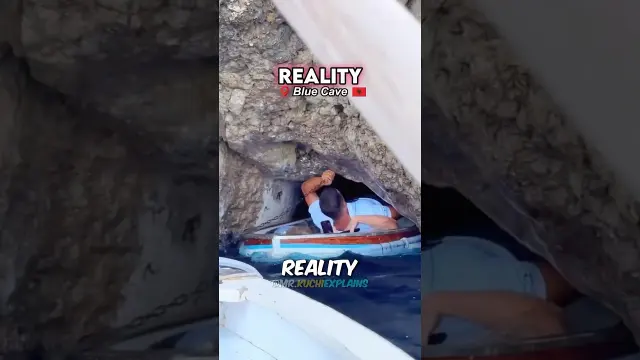
 Albania's Hidden Cave: A Striking Coastal Travel Spot
#Albania
1 ideas
Albania's Hidden Cave: A Striking Coastal Travel Spot
Get new #Albania ideas by email
Every Thursday: the week's best ideas, with the newest from #Albania.
Related tags
Albania: A Guide to Land, Coast and Tradition
Albania is a small country in southeastern Europe, set along the Adriatic and Ionian seas and bordered by Montenegro, Kosovo, North Macedonia and Greece. It is a place of contrasts: a long coastline in the west, rugged highlands in the north and east, and wide valleys and plains in between. It sits on the Balkan Peninsula, and its position between the Mediterranean and the interior has shaped much of what visitors find there, from the climate to the architecture to the food.
A land of mountains and sea
The Albanian Alps, in the north, are among the country's most dramatic landscapes, with deep valleys, steep limestone peaks and traditional stone houses in the villages below. Further south, the coastline runs from sandy beaches to rocky coves, with clear water and a slower pace than more developed Mediterranean destinations. Inland, rivers, lakes and mountain roads connect small towns where life still moves with agriculture and seasonal work.
Towns and history
Cities like Berat and Gjirokastër are known for their historic quarters, where stone roofs, narrow cobbled streets and old houses climb the hillsides. Their architecture reflects a mix of influences over centuries, and both are recognised for the value of their historic centres. Elsewhere, ruins from ancient Greek and Roman periods, castles on hilltops and towns reordered during decades of the twentieth century each add a layer to the picture. Travellers interested in history will find that the story is rarely simple: layers of Ottoman, Mediterranean and modern European influence sit side by side.
Food and everyday life
Albanian cooking is closely tied to the land. A meal often starts with vegetables, cheese, olives and bread, continues with grilled meat or fish, and ends with fruit or something sweet made from milk, nuts or honey. Yogurt, sheep's cheese, peppers, tomatoes and wild herbs appear again and again. Coffee is a daily ritual, taken slowly and often shared. Hospitality matters: guests are generally treated generously, and a table is usually laid with more than the household would eat alone.
Read more
What beginners should know
If you are planning to explore Albania, a few practical points help. The country uses the lek, and cards are widely accepted in cities though less so in small villages, so keep some cash. Travel between regions can be slow on mountain roads, so allow more time than distances suggest. Public transport exists but is often informal, and renting a car gives more freedom. Summer is hot and busy on the coast, while spring and autumn are comfortable for walking and sightseeing. If you are hiking in the mountains, go with local guidance and check conditions beforehand, as weather changes quickly.
Learning a few words in Albanian is appreciated, and greeting people before asking a question is normal and polite. Dress modestly when visiting religious sites, and ask before photographing people or private homes.
A gentle approach
Albania rewards curiosity more than a checklist. Take time in small places, accept an offered coffee, ask about the food you are eating, and let the landscape slow you down. It is a country where the mountain and the sea are never far from each other, and where the most memorable moments often happen between the sights.
#Albania: frequently asked questions
What kind of destination is Albania, and what draws people there?
Albania sits on the Balkan Peninsula between the Adriatic and Ionian seas, with a long coastline on one side and rugged highlands on the other. Its appeal lies in that contrast — beaches and coves in the west, steep limestone peaks and stone villages in the north, and historic hill towns in between. It suits travellers who prefer a slower, less-developed Mediterranean experience over a polished resort one.
When is the best time to explore Albania?
Spring and autumn are the most comfortable seasons for walking, sightseeing and moving between regions, since the weather is mild and the main sights are less crowded. Summer is hot and busy along the coast, which suits beach time but makes touring inland tiring. Mountain weather can shift quickly, so check conditions before setting out on any hike.
What should a first-time visitor know before going?
The country has its own currency, and while cards are widely accepted in cities, small villages often run on cash, so keep some on hand. Roads through the mountains make journeys slower than the distances suggest, so build extra time into any itinerary. Public transport exists but is informal, and renting a car gives you far more freedom to stop and explore.
Should I choose the coast or the mountains?
You do not really have to choose — the two are close enough that a single trip can include both, which is part of what makes the country distinctive. Base yourself on the coast if you want swimming, seafood and easy wandering, or in the northern highlands if dramatic scenery and village life are the draw. Many travellers split their time, using a town in between as a stepping stone.
What is the food and everyday culture like?
Albanian cooking follows the land: meals often open with vegetables, cheese, olives and bread, move on to grilled meat or fish, and end with fruit or something sweet made from milk, nuts or honey. Yogurt, sheep's cheese, peppers and wild herbs turn up constantly, and coffee is a slow, shared daily ritual rather than a quick stop. Hospitality is central, so guests are usually offered more than they expect — accepting is part of the experience.
What are the most common mistakes travellers make in Albania?
The biggest one is over-scheduling: treating the country as a checklist and underestimating how long mountain roads and informal transport take. Others include relying entirely on cards outside the cities, hiking without local guidance or a weather check, and skipping the small courtesies — greeting people before asking a question, dressing modestly at religious sites, and asking before photographing people or homes. Learning a few words of Albanian goes a long way.
Videos come from YouTube and posts from Instagram; titles and summaries are our own. All rights belong to their creators.