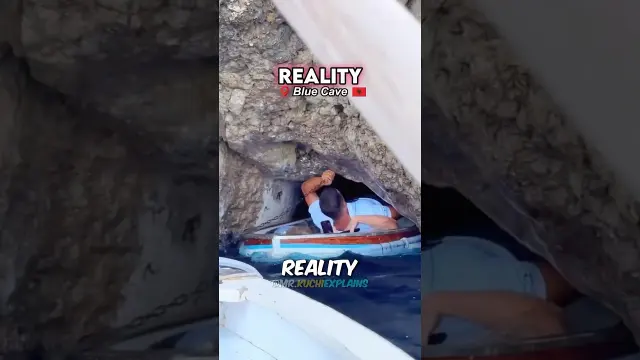
 Albania's Hidden Cave: A Striking Coastal Travel Spot
#Hidden Cave
1 ideas
Albania's Hidden Cave: A Striking Coastal Travel Spot
Get new #Hidden Cave ideas by email
Every Thursday: the week's best ideas, with the newest from #Hidden Cave.
Related tags
Hidden Caves: A Beginner's Guide to Exploring Underground
A hidden cave is simply a cavity in the earth that you would not notice from the surface — one that opens behind a rock fall, under a tree root, beneath the waterline, or in a cliff face you have walked past a hundred times without looking up. People have always been drawn to them: as shelter, as sources of water and minerals, as places of story and ritual, and now as destinations for walkers, photographers and the curious.
How caves form
Most caves are made by water. Rain picks up carbon dioxide as it moves through soil and becomes a weak acid; seeping through limestone and other soluble rock, it slowly widens cracks over very long stretches of time. Other caves have different origins: lava tubes are left behind when the surface of a lava flow cools and the molten interior drains away; sea caves are carved by waves pounding a weakness in a cliff; and in some dry regions, wind and erosion hollow out softer rock beneath a harder cap.
The main kinds you might meet
Read more
- Solution caves in limestone and similar rock, often the largest and most decorated.
- Lava tubes, usually smooth, tubular and comparatively short.
- Sea caves, cut into coastal cliffs and best visited at low tide and calm water.
- Erosional caves in sandstone or conglomerate, shaped by wind and runoff.
- Ice caves, which exist only as long as the ice or snowpack that holds them.
Inside, water that drips and then evaporates leaves mineral deposits behind: stalactites hanging from the ceiling, stalagmites rising from the floor, and columns where the two meet. They grow extremely slowly, which is why touching them does lasting damage.
What beginners should know
Start with a guided tour or a cave already known and mapped. Going underground with someone experienced is not caution for its own sake; caves are dark in a way that is hard to imagine, and a wrong turn is easy to make and difficult to undo.
Take a helmet, a headlamp with spare batteries and a second light, sturdy boots with grip, gloves, and warm layers — cave temperatures stay cool and steady. Tell someone where you are going and when you expect to be back. Check the forecast before you enter: rain far away can send water through a cave system quickly, and low passages can flood. Never enter alone, and turn back before you are tired rather than after.
Care for what you find
Caves are fragile and often alive with life adapted to darkness — bats, insects, tiny creatures that cannot survive disturbance. Stay on established paths, keep your hands off formations, take nothing, leave nothing, and never light a fire. Photograph with care and without flash around roosting animals.
Much of the pleasure of a hidden cave is the quiet: the cool air, the sound of your own footsteps, the sense of a place that kept itself unseen. Go gently, and it stays that way.
#Hidden Cave: frequently asked questions
How should someone new to cave exploring get started?
Join a guided tour or visit a cave that is already well known and mapped, ideally with someone who has been underground before. The point isn't over-caution — darkness underground is deeper than most people expect, and it is easy to lose your way and hard to correct it. Build confidence on short, popular routes before attempting anything remote.
What gear do you actually need for a first cave visit?
At minimum: a helmet, a headlamp with spare batteries plus a second light source, boots with real grip, gloves and warm layers, since cave air stays cool and steady year-round. Tell someone outside where you are going and when you expect to return. Check the weather before entering — heavy rain far away can push water through a cave system fast and flood low passages.
Which kind of cave is best for a beginner?
Limestone solution caves with established paths and guided access are the easiest introduction, since they are usually spacious and well documented. Sea caves are dramatic but depend on tide and swell being right, and ice caves only exist while the ice holding them lasts. Match the cave to your experience rather than the other way round.
How do you behave underground so the cave stays intact?
Stay on marked routes, keep hands off the formations, and carry everything out that you carried in. Mineral features grow extremely slowly, so a single touch leaves damage that never heals. Many caves are home to bats and other light-shy creatures, so avoid flash photography near roosting animals and never light a fire.
What are the most common mistakes people make in caves?
Going in alone, going without a spare light, and pushing on past the point of tiredness instead of turning back while there is still energy left. Another frequent error is ignoring the forecast and getting caught by water rising in low passages. Starting with a mapped, guided cave removes most of these risks at once.
What makes a hidden cave worth photographing or visiting?
The appeal is partly visual — formations, textures and the odd light of an opening you cannot see from outside — and partly the quiet itself. Cool air, the sound of your own footsteps, and the sense of a place that stayed unseen are what people remember. Go gently and it stays that way for the next visitor.
Videos come from YouTube and posts from Instagram; titles and summaries are our own. All rights belong to their creators.