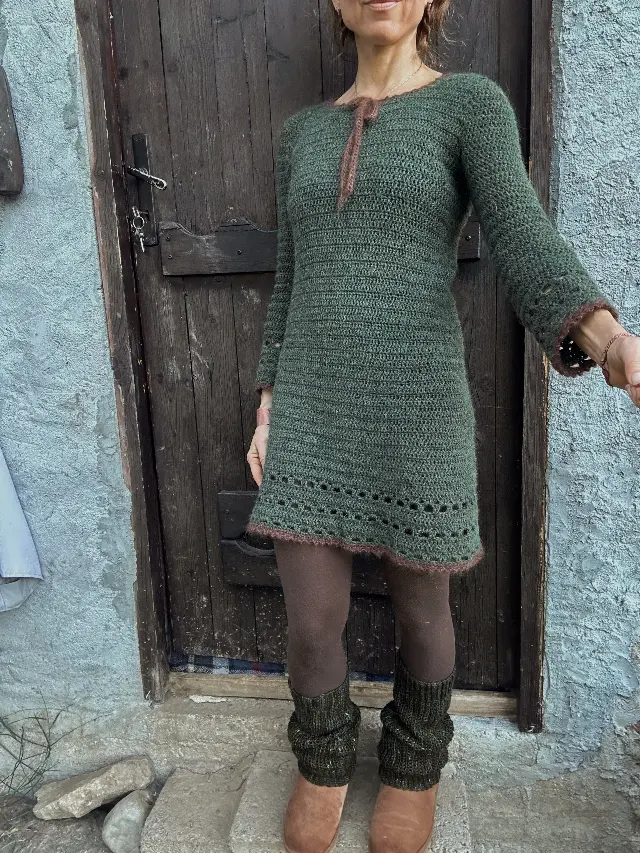
 Crochet Outfit of the Day with Newly Finished Legwarmers
#Alpaca Yarn
1 ideas
Crochet Outfit of the Day with Newly Finished Legwarmers
Get new #Alpaca Yarn ideas by email
Every Thursday: the week's best ideas, with the newest from #Alpaca Yarn.
Related tags
Alpaca Yarn: A Warm, Soft Fibre Explained
Alpaca yarn is spun from the fleece of the alpaca, a small, gentle camelid native to the high plateaus of the Andes in South America, where it has been kept as a domestic animal for a very long time. The fibre is soft, warm and remarkably light, which is why it turns up in everything from delicate shawls to winter sweaters, hats and baby blankets.
Where the fibre comes from
Alpacas are shorn about once a year, and the fleece is sorted by fineness before spinning. Two breeds give quite different yarns. Huacaya alpacas, the more common kind, produce a fluffy, crimped fleece that spins into a soft, slightly hazy yarn. Suri alpacas have long, straight, silky locks that make a smoother yarn with a distinct sheen. You will also see the term baby alpaca on labels: it usually describes a grade of fibre fineness rather than the age of the animal.
How it feels and behaves
Alpaca fibres are hollow, which helps explain why the yarn feels warm without being heavy. The fleece also contains no lanolin, the waxy coating found in sheep's wool, so the yarn has a clean, dry handle and very little of the familiar woolly scent.
What surprises many people is the lack of elasticity. Alpaca has little natural memory, so it drapes beautifully but tends to grow and stretch rather than spring back. Ribbed cuffs and necklines can loosen over time, and a heavy sweater knitted at a loose gauge may sag. The fibre is also strong and smooth, which gives stitches a lovely, even appearance.
Read more
Types and blends
- Pure alpaca: maximum softness, warmth and drape, minimum elasticity. Best for shawls, scarves, cowls and drapey garments.
- Alpaca blended with wool: adds bounce and shape recovery while keeping much of the softness.
- Alpaca with silk: extra sheen and strength, lovely for lace and lightweight wraps.
- Alpaca with nylon or a little synthetic fibre: improves durability in socks and items that get a lot of wear.
- Fine grades and brushed or bouclé versions: from smooth and dense to soft and haloed, so swatching matters.
What beginners should know
Always knit or crochet a swatch, then wash and dry it the way you intend to treat the finished piece. Alpaca can relax and bloom after washing, so your gauge may change. Choose patterns written for drapey yarns, or hold your alpaca together with a strand of wool for structure. Be generous with ease on close-fitting shapes, and consider a slightly firmer fabric for anything that must hold its form.
Care and practical tips
Hand wash in cool water with a gentle soap, without rubbing, wringing or sudden temperature changes, then roll the piece in a towel and dry it flat, reshaping as it dries. Store garments folded rather than on hangers, since the weight of hanging can stretch them. Soft fibres pill a little with friction; a small fabric comb or careful hand-picking deals with most of it. Treat your alpaca pieces kindly and they will stay beautiful for years.
#Alpaca Yarn: frequently asked questions
What is alpaca yarn, and how does it differ from ordinary sheep's wool?
It is spun from the fleece of the alpaca, a small domesticated camelid of the Andean highlands, and it is prized for being soft, warm and unusually light for its bulk. The fibres are hollow, which traps warmth without weight, and they contain none of the waxy coating found in sheep's wool, so the yarn feels dry and clean and has almost no sheepy smell. The big practical difference is stretch: alpaca drapes beautifully but has very little spring-back, where wool is bouncy and elastic.
How should a beginner get started with alpaca yarn?
Begin with a generous swatch, then wash and dry it exactly as you plan to treat the finished piece, because the fabric can relax and bloom and your gauge may shift. Pick patterns designed for drapey yarns, or hold a strand of wool alongside the alpaca to give the fabric some structure. Keep your first projects simple and loose-fitting, since close-fitting shapes in pure alpaca tend to stretch out of shape.
Which kind of alpaca yarn should I choose for a particular project?
Pure alpaca gives the most softness, warmth and drape and suits shawls, scarves, cowls and flowing garments, while a blend with wool adds bounce and helps cuffs and necklines keep their shape. Blended with silk it gains sheen and strength for lace and light wraps, and a small amount of synthetic fibre makes it far more hard-wearing for socks and everyday pieces. It also comes in fine smooth grades and brushed or looped versions, so swatching is the only way to know how a given yarn will behave.
What are the common mistakes people make when working with alpaca yarn?
The most frequent one is expecting it to behave like wool and knitting close-fitting, heavily ribbed pieces that soon sag and loosen. Another is skipping the swatch, then discovering after washing that the finished fabric has grown or changed texture. Using a loose gauge for a heavy garment is also a trap, since the weight pulls the fabric down rather than springing back.
How do I wash and store things made from alpaca yarn?
Hand wash in cool water with a gentle soap, without rubbing or wringing, and avoid sudden changes of temperature. Roll the piece in a towel to remove water, then dry it flat and reshape it as it dries. Store the finished items folded rather than hung, because the weight of a hanger will stretch them, and deal with any pilling by picking it off gently or using a small fabric comb.
What sorts of things can I make with alpaca yarn?
It shines in anything that benefits from softness and drape, such as shawls, scarves, cowls and flowing sweaters, as well as hats and baby blankets where warmth without weight matters. Blended versions open it up to socks, legwarmers and other pieces that take more wear. Think of it as a yarn for softness and movement rather than for crisp, structured shapes.
Videos come from YouTube and posts from Instagram; titles and summaries are our own. All rights belong to their creators.