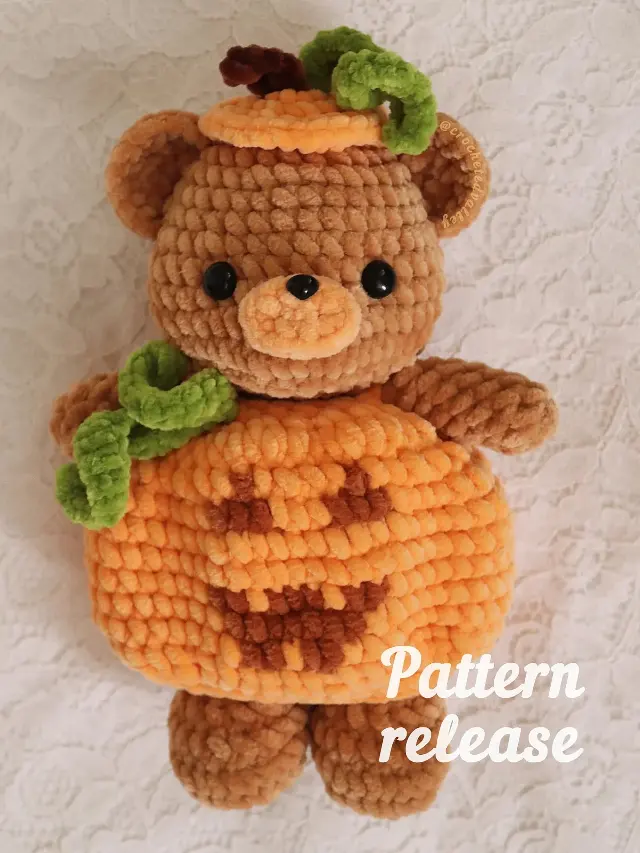
 Pumpkin Bear Amigurumi Pattern Release for Autumn
#Crochet Pattern
16 ideas
Pumpkin Bear Amigurumi Pattern Release for Autumn
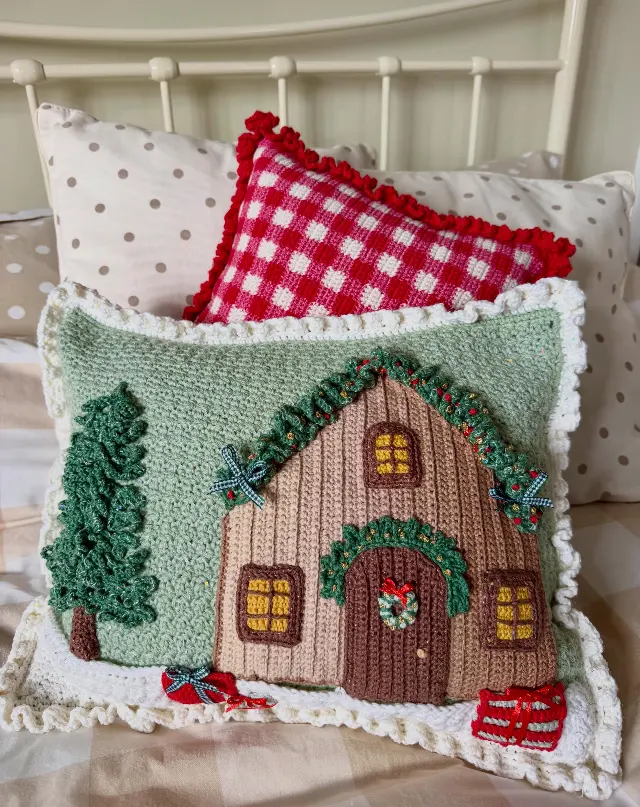 Winter Woodland Cabin Cushion Crochet Pattern
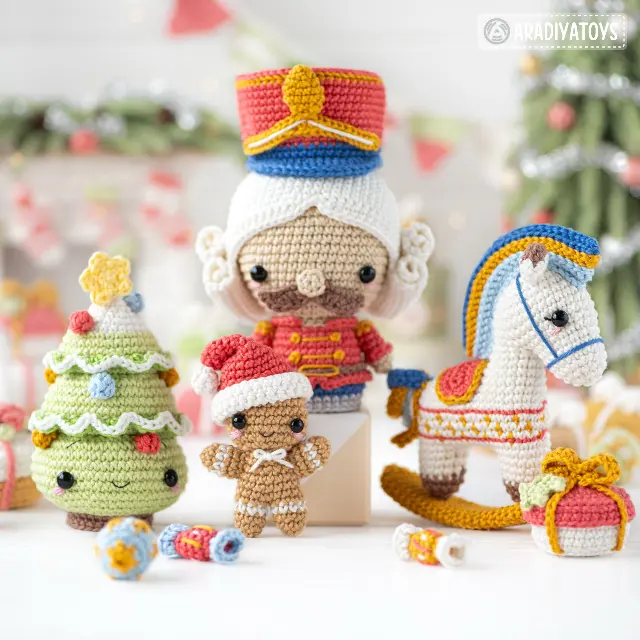 Christmas Nutcracker Amigurumi Crochet Pattern
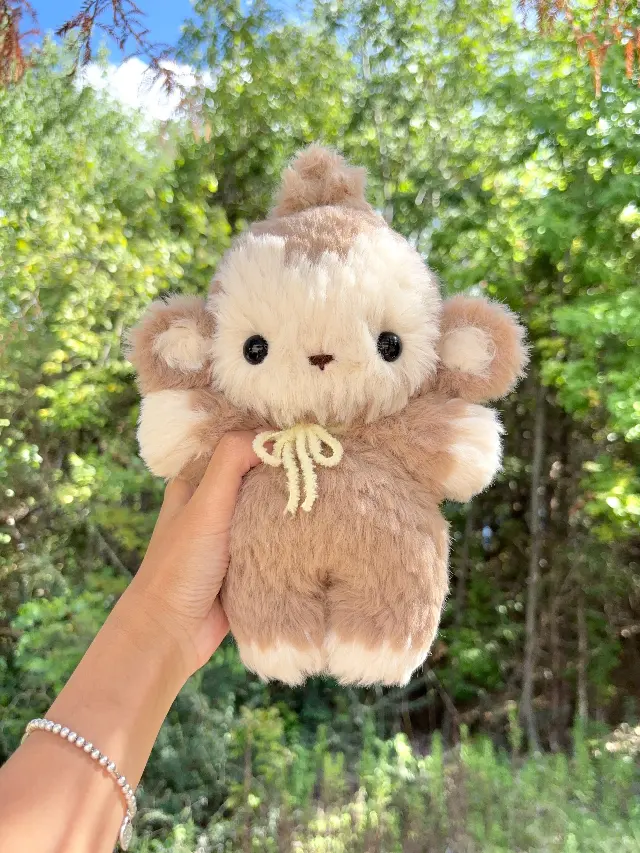 Fluffy Crochet Monkey Amigurumi
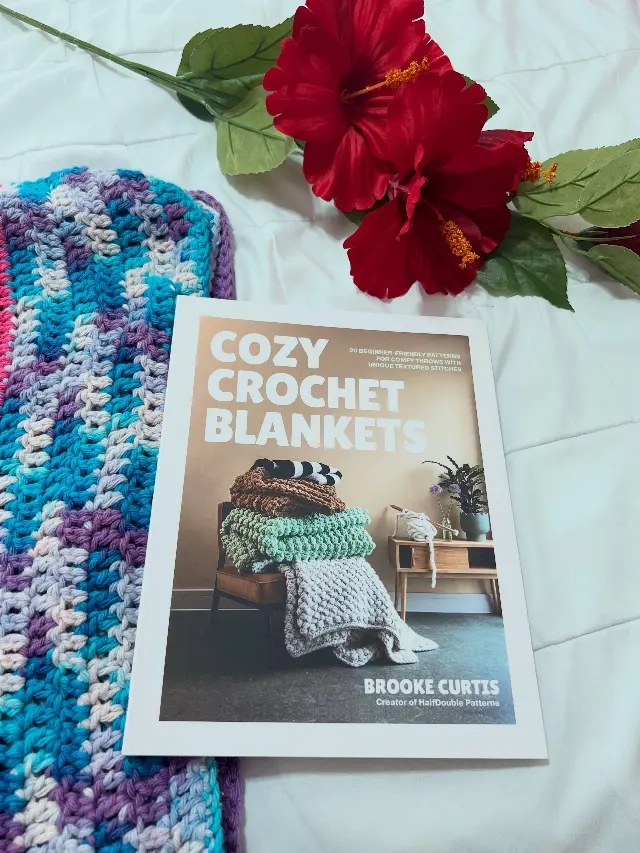 Cozy Crochet Blankets Pattern Book
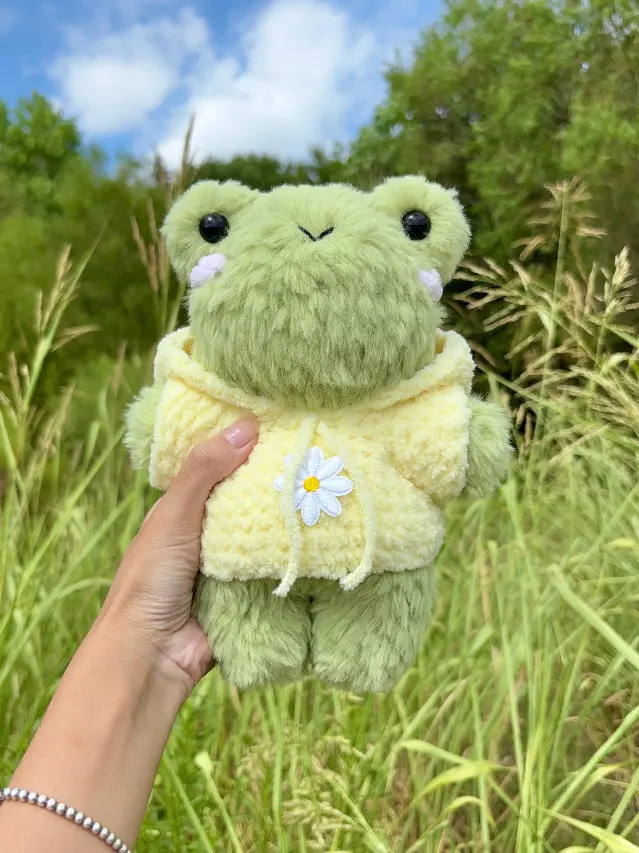 Fluffy Frog Amigurumi in a Removable Yellow Raincoat
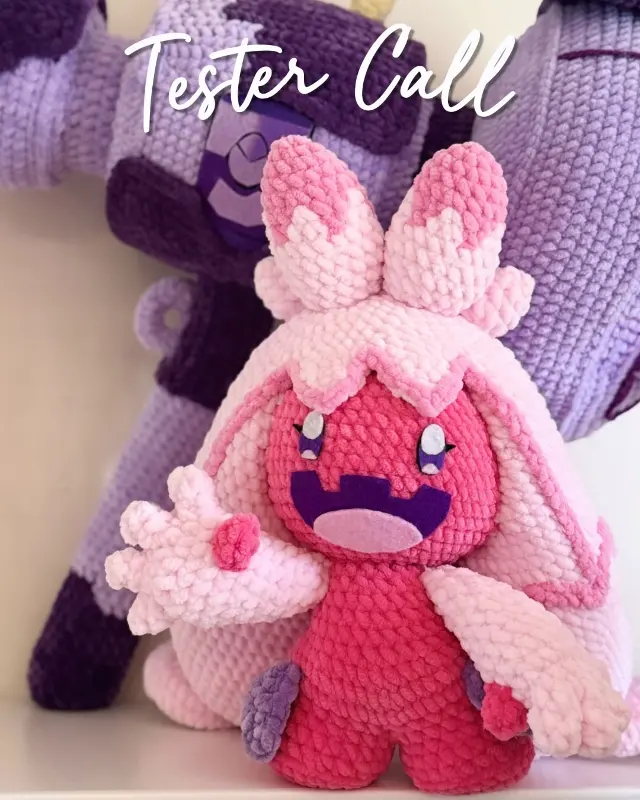 Forgy and Her Hammer Crochet Pattern Test
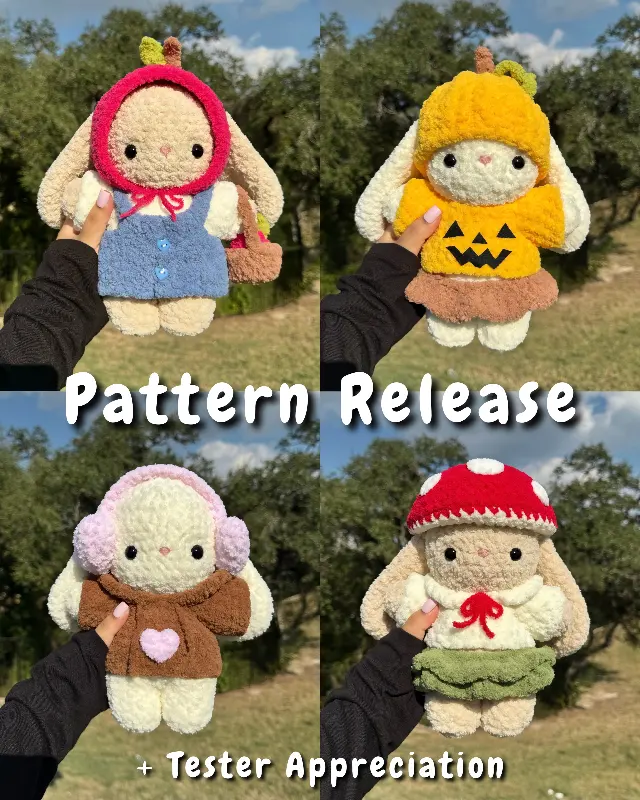 Fall Bunny Clothing Amigurumi Patterns Released
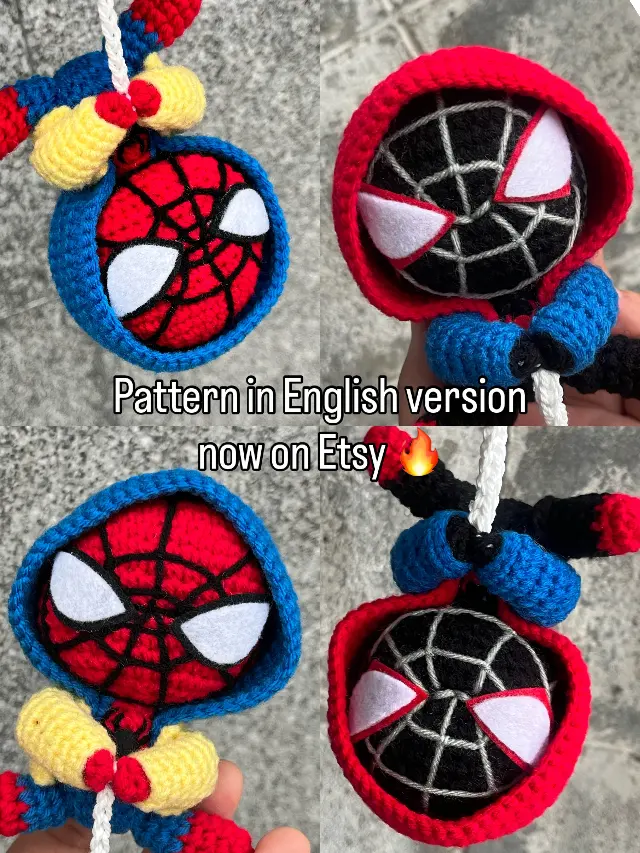 English Spiderman Amigurumi Crochet Pattern on Etsy
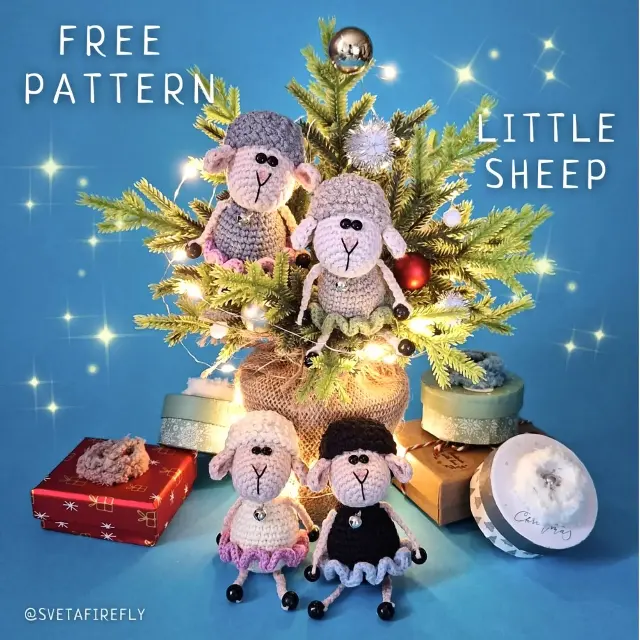 Crochet Sheep Amigurumi Pattern
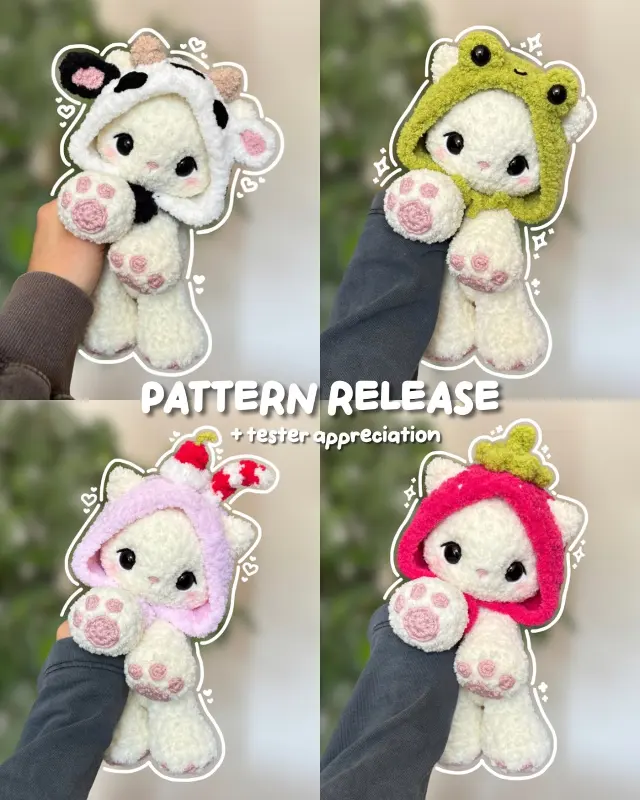 Hooded Kitty Crochet Pattern Release
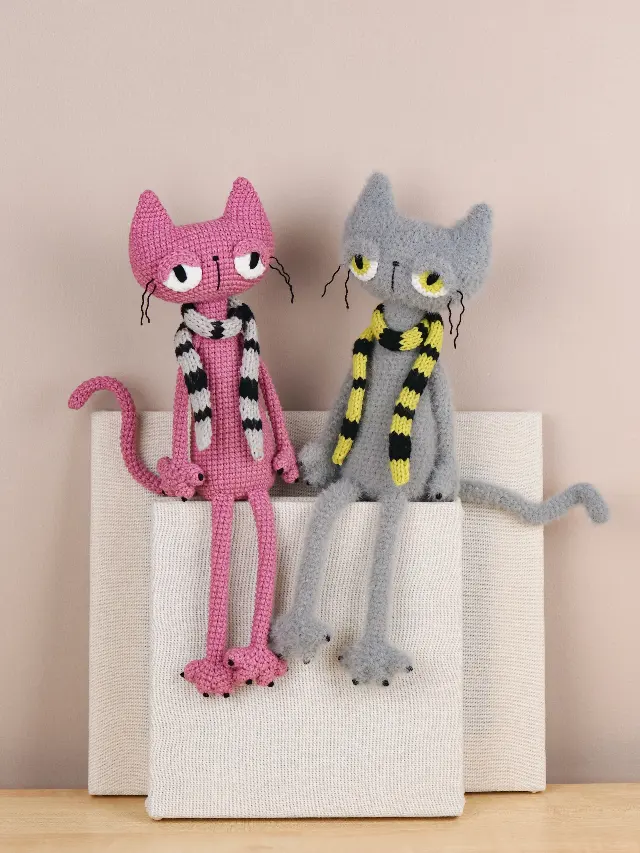 Languid Cat Huggable Crochet Pattern
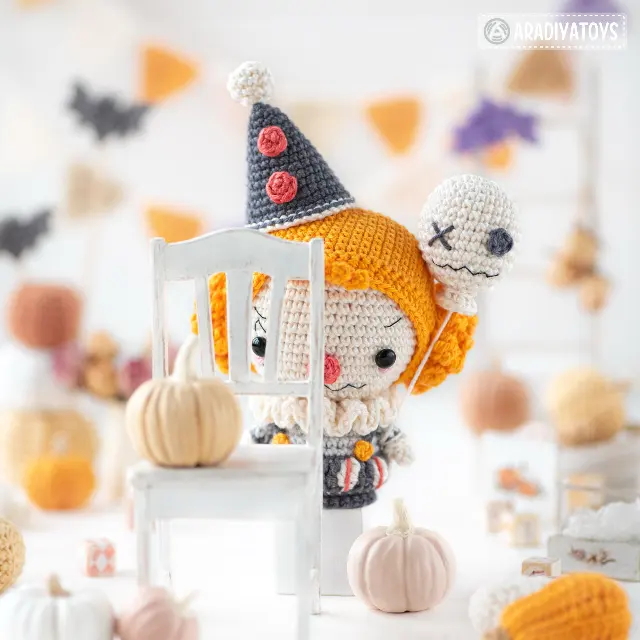 Sad Clown Amigurumi Halloween Pattern
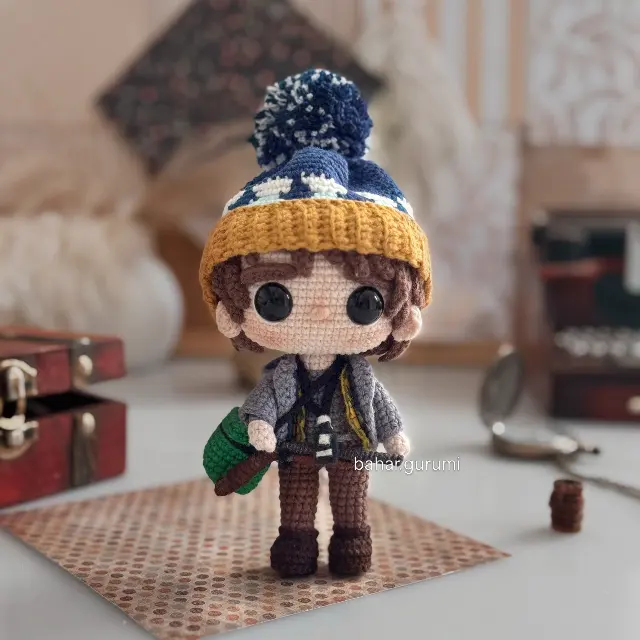 Bryan from Resident Evil Crochet Pattern
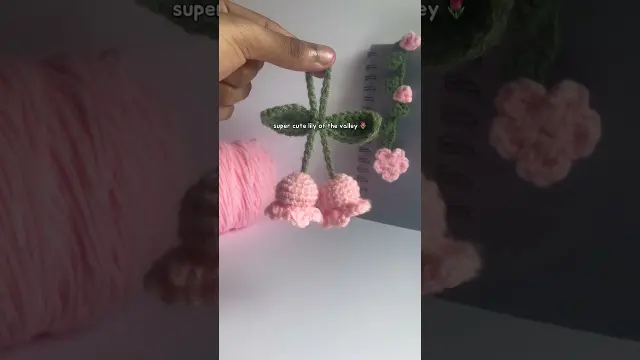 Beginner Friendly Crochet Project Guide
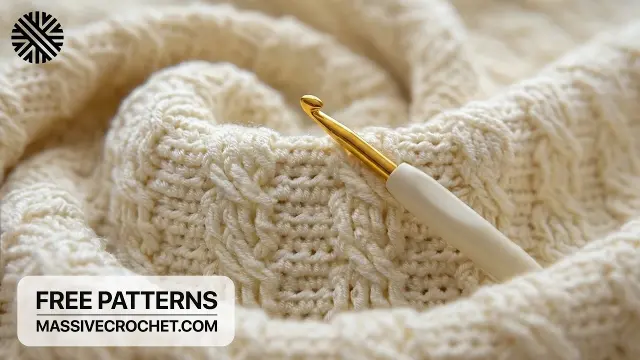 Easy Crochet Stitch Pattern for Baby Blankets, Bags and Scarves
Get new #Crochet Pattern ideas by email
Every Thursday: the week's best ideas, with the newest from #Crochet Pattern.
Related tags
Crochet Patterns: A Simple Guide
What a crochet pattern is
A crochet pattern is a set of instructions that tells you how to make a finished item with a hook and yarn. It may explain the stitches to use, the order to work them in, and how the shape grows row by row or round by round. Patterns can be written for many kinds of projects, from blankets and scarves to toys, clothing, bags, and home décor.
Crochet patterns come from a long craft tradition built around handmaking fabric with loops of yarn. Because crochet is flexible, patterns can be very simple or highly detailed. Some use plain stitch repeats, while others include shaping, color changes, texture, or decorative finishing.
Common kinds of patterns
Read more
You will often see crochet patterns grouped by project type:
- Garments such as sweaters, cardigans, hats, and baby clothes
- Home items such as blankets, pillows, baskets, and dishcloths
- Accessories like scarves, shawls, mittens, and bags
- Amigurumi, which are small stuffed toys and figures
- Decorative pieces such as doilies, coasters, or wall hangings
Patterns also vary by style. Some are worked flat in rows, while others are made in the round. Some use repeated motifs, such as squares or circles, that are joined later. Others are built as one continuous piece. Learning the basic structure of different patterns helps you choose projects that suit your time and skill level.
How to read a pattern
If you are new to crochet, the first step is learning the symbols and abbreviations in the pattern. Most patterns assume you know basic terms such as chain, single crochet, double crochet, increase, decrease, and slip stitch. A pattern may also include gauge, which helps the finished size come out as intended.
A few useful habits can make pattern reading easier:
- Read the whole pattern before you begin
- Check the materials list so you know what yarn and hook are needed
- Look for notes about stitch counts, turning chains, and special techniques
- Mark your place as you work so you do not lose your row
- Make a small test swatch when size matters
Choosing a good pattern
For beginners, the best crochet patterns are clear, well organized, and built on simple stitches. A pattern with photos or diagrams can be especially helpful, but good written instructions matter just as much. Start with projects that use one main stitch repeat and minimal shaping. Scarves, dishcloths, simple hats, and basic granny-style squares are often good practice pieces.
If you want to make amigurumi or fitted garments, look for patterns that mention beginner-friendly construction. These projects can still be very rewarding, but they usually need more attention to counting, stuffing, shaping, or sizing.
Practical tips
Crochet usually becomes easier when you keep your tension even and take your time with the first rows. If a stitch looks wrong, it is often best to stop and check before going too far. A row counter, stitch markers, or a notebook can help you stay organized.
You do not need to understand every pattern at once. Many crocheters learn by making a few simple projects, then gradually trying new stitches and constructions. Over time, reading a pattern becomes less like decoding and more like following a familiar recipe.
Videos come from YouTube and posts from Instagram; titles and summaries are our own. All rights belong to their creators.