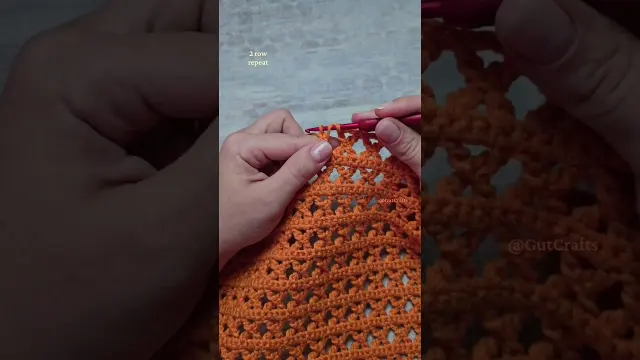
 Extended X Stitch Two Row Repeat Lace Crochet Pattern
#Crochet Tutorial
29 ideas
Extended X Stitch Two Row Repeat Lace Crochet Pattern
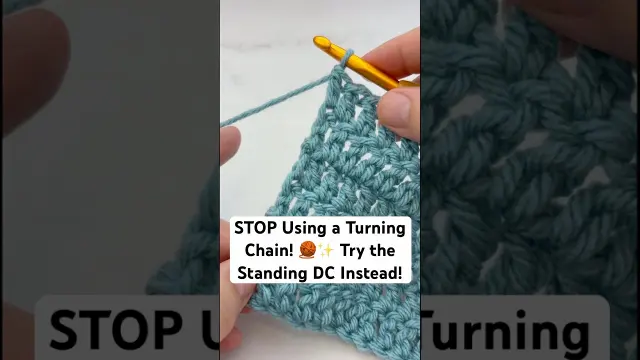 How to Crochet a Standing Double Stitch
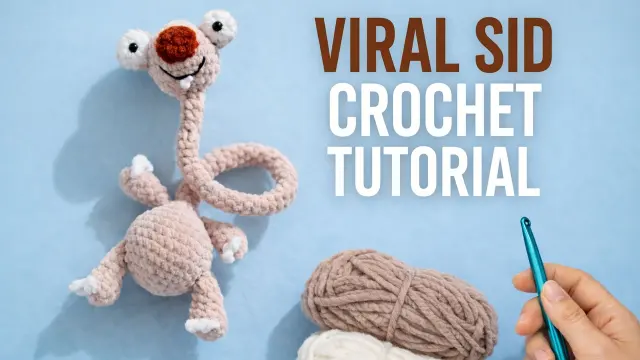 How to Crochet Long Neck Sid Viral Plush Amigurumi Easy Step by Step
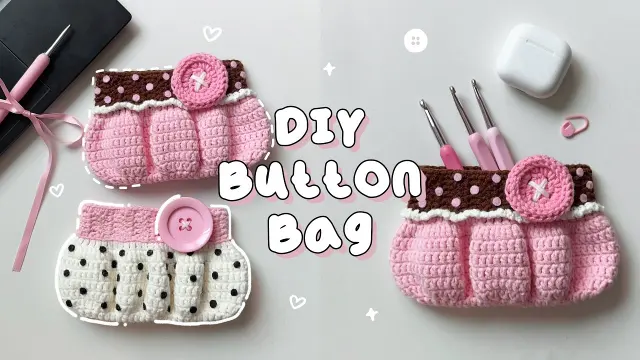 Crochet Ruffled Polka-Dot Button Bag Beginner Tutorial
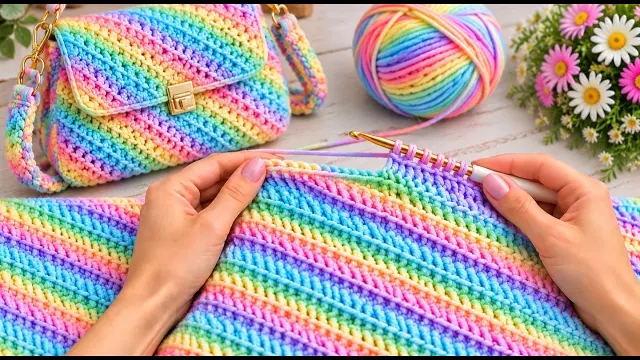 Textured Crochet Stitch Tutorial for Blankets and Bags
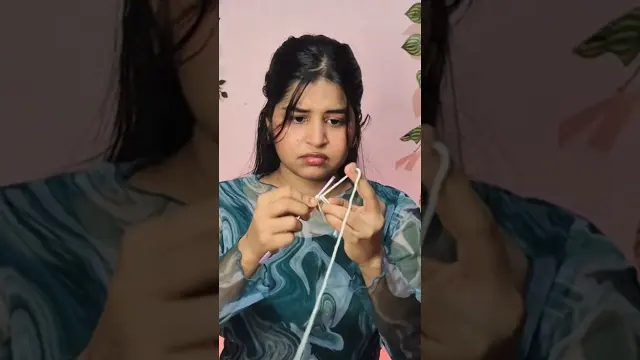 Quick Tutorial on How to Crochet a Magic Ring
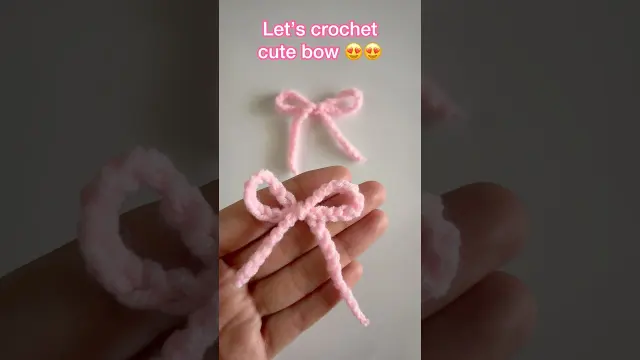 Easy Mini Bow Crochet Tutorial
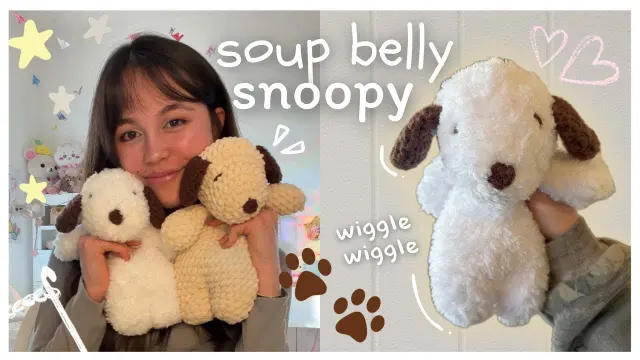 Soup Belly Snoopy Crochet Tutorial Beginner Amigurumi Step by Step
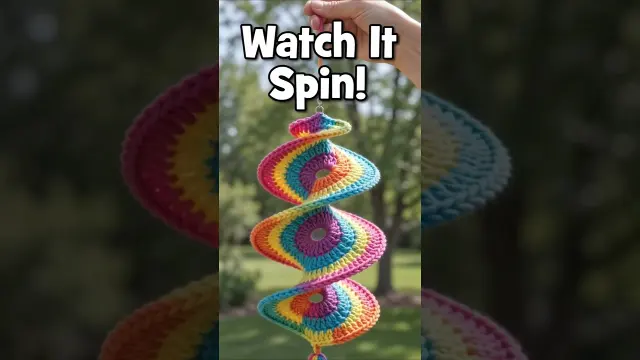 Beginner Friendly Crochet Wind Spinner Step-by-Step Tutorial
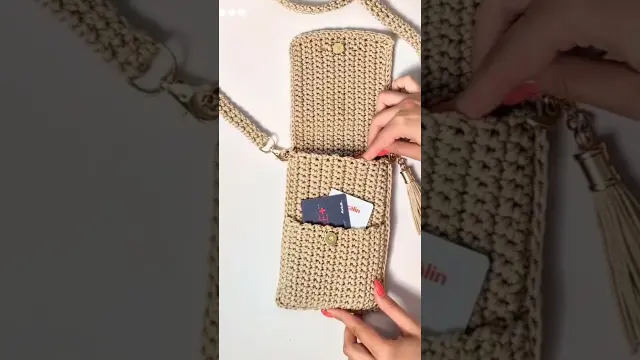 Cute DIY Crochet Crossbody Phone Purse Pattern
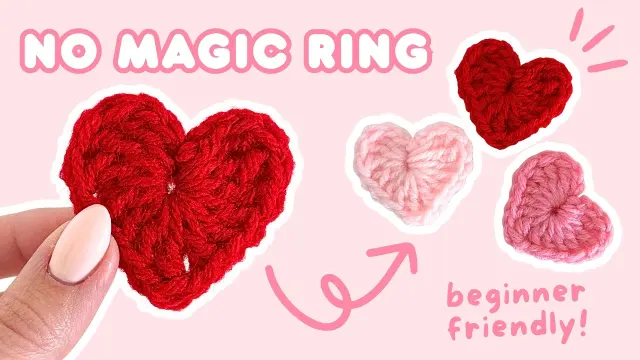 Beginner Mini Crochet Heart Applique Without Magic Ring
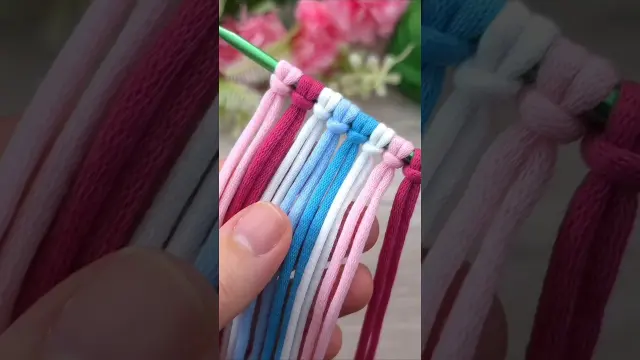 Tunisian Crochet Scarf Pattern for Beginners
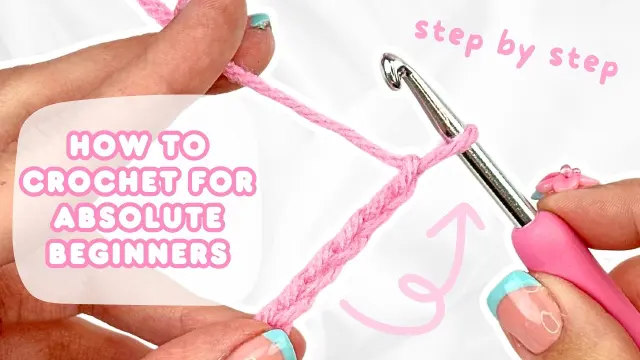 Beginner Crochet Guide: Part 1 Step-by-Step Tutorial
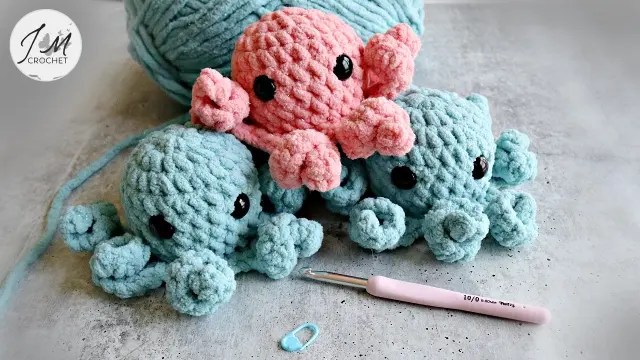 Quick and Easy Crochet Maxi Octopus No Sew Crochet Amigurumi Tutorial
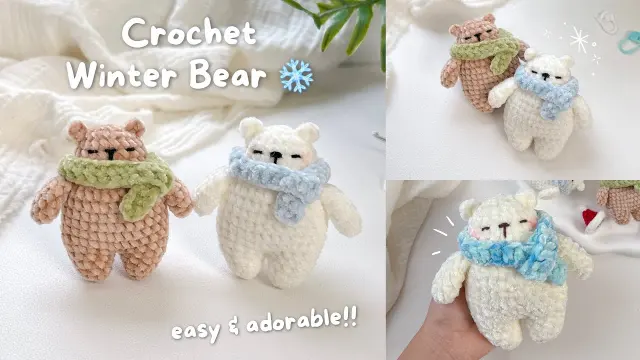 No Sew How to Crochet a Winter Bear Polar Bear Easy Amigurumi
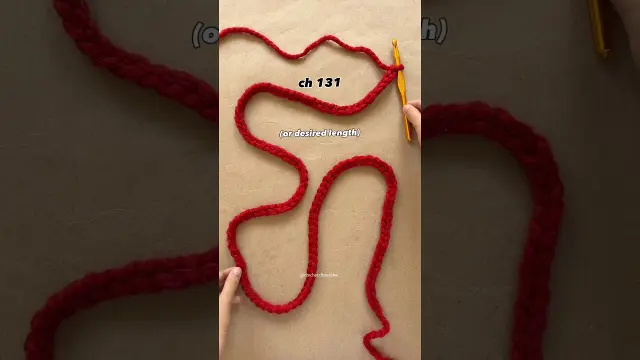 Easy Mikasa Scarf Beginner Tutorial for Winter
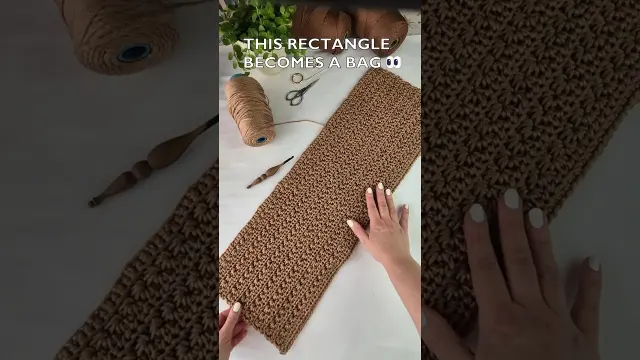 Crochet Origami Bag from One Rectangle Using Star Stitch
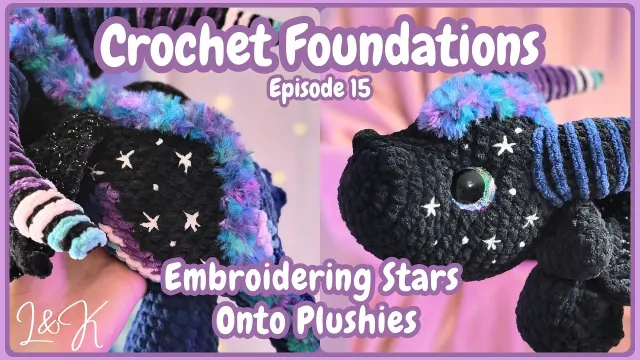 How I Embroider Stars Onto Plushies Crochet Foundations Episode
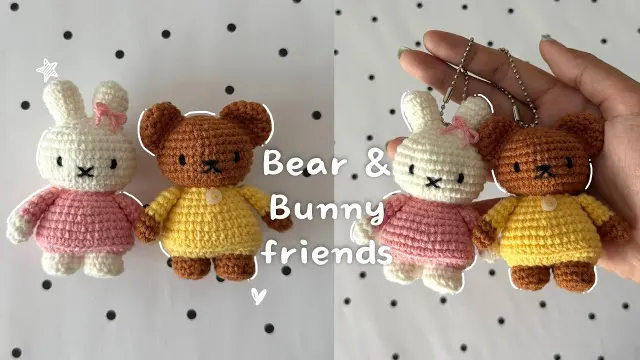 Low-Sew Crochet Bear and Bunny Friends Step-by-Step Tutorial
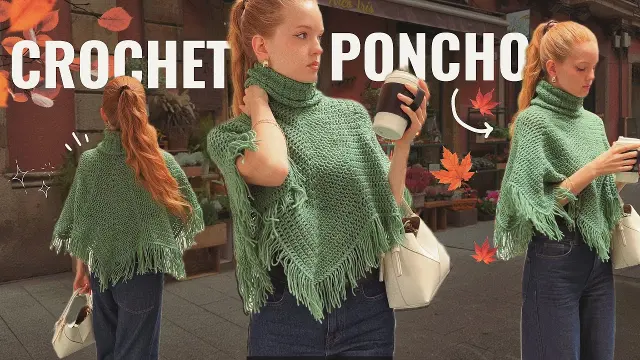 Easy Crochet Poncho Step-by-Step Tutorial
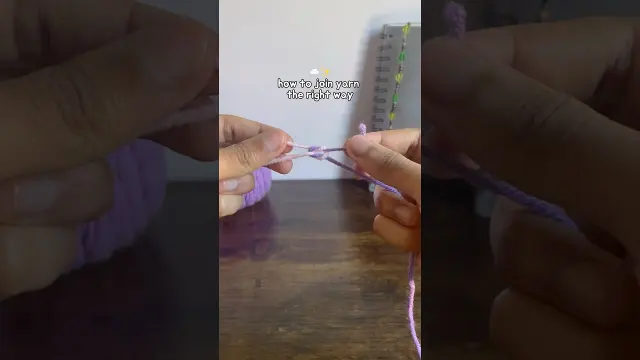 Step by Step Beginner Crochet Tutorial
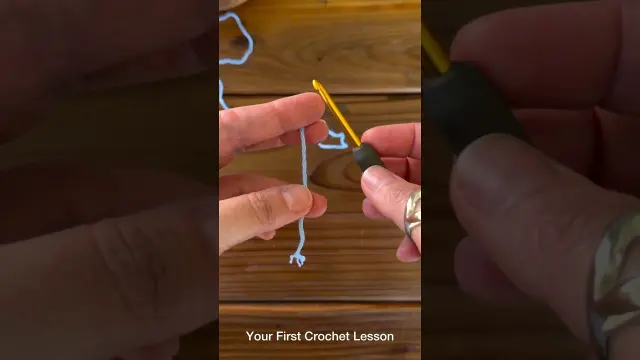 How to Make a Slip Knot for Your First Crochet Lesson
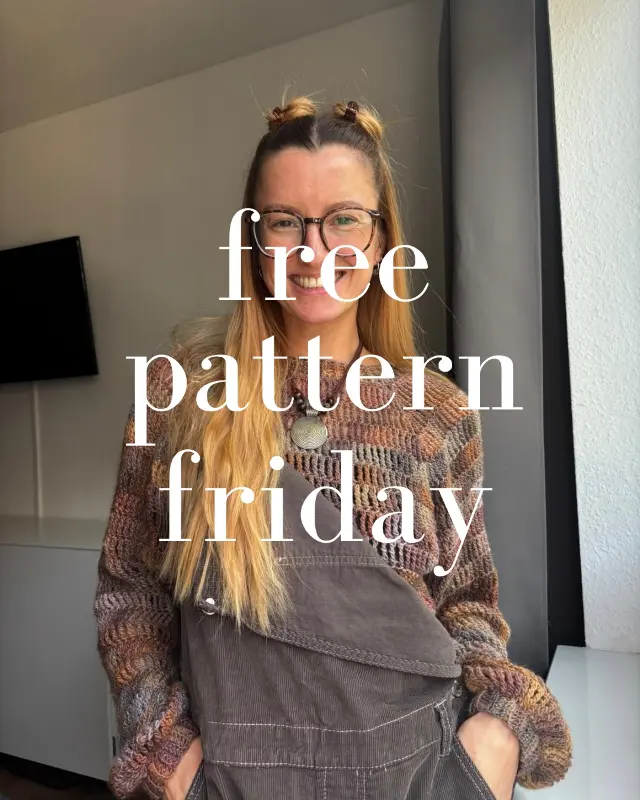 Oversized Crochet Pullover Stitch Tutorial
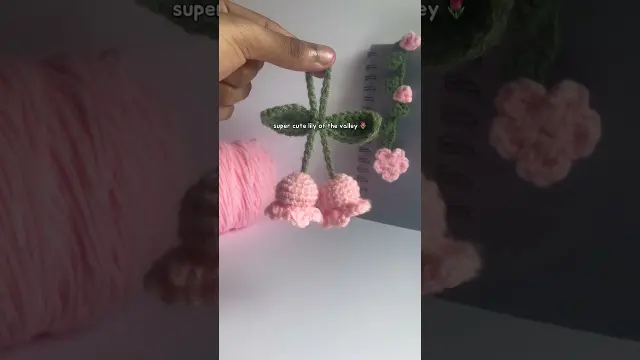 Beginner Friendly Crochet Project Guide
Get new #Crochet Tutorial ideas by email
Every Thursday: the week's best ideas, with the newest from #Crochet Tutorial.
Related tags
Crochet Tutorial Guide for Beginners
Crochet is a craft that uses a hooked needle to draw loops of yarn through other loops, building fabric one stitch at a time. It is used to make blankets, clothing, accessories, home décor, toys, and decorative details. Because it is worked stitch by stitch, crochet can be as simple or as intricate as you want, and it is a good craft for learning patience, rhythm, and control.
What crochet is
At its core, crochet is about forming loops and turning them into rows or rounds. Unlike knitting, which typically uses multiple active stitches at once, crochet usually keeps only one working loop on the hook. This makes it easier for many beginners to see how each stitch is formed and to correct mistakes as they go.
Crochet has roots in handcraft traditions from many places, and over time it has developed into a wide family of techniques. You can crochet flat pieces, shape garments, work in circles, or make textured surfaces with raised stitches and open lace.
Read more
Basic tools and materials
To begin, you only need a crochet hook and some yarn. A medium-weight yarn and a hook that feels comfortable in your hand are often the easiest place to start. Smooth yarn can make stitches easier to see, which is helpful when you are learning.
A few simple extras can also be useful:
- Scissors
- A yarn needle for weaving in ends
- Stitch markers for counting rounds or marking important stitches
Common crochet techniques
Most crochet work begins with a foundation chain. From there, you build on basic stitches. The most common beginner stitches include chain, slip stitch, single crochet, half double crochet, double crochet, and treble crochet. Once you understand how these stitches differ in height and structure, patterns become much easier to follow.
You may also come across techniques such as:
- Working in rows for flat pieces
- Working in the round for circles, hats, or amigurumi
- Increasing and decreasing to shape fabric
- Joining rounds neatly
- Texture techniques like front-post and back-post stitches
What beginners should know
The first stitches often look uneven, and that is completely normal. Crochet gets easier when you focus on holding the yarn comfortably, keeping a relaxed tension, and learning how to recognize each stitch. It also helps to count your stitches regularly so small mistakes do not grow larger.
If you are just starting, choose simple projects with repeated stitches rather than complicated shaping. Small items such as squares, scarves, dishcloths, or simple accessories are good practice because they let you repeat the same motion many times.
Practical tips for learning
- Practice slowly and make a small swatch before starting a project.
- Read the pattern all the way through before you begin.
- Learn the difference between the front loop, back loop, and both loops of a stitch.
- Use stitch markers when working in rounds or when counting sections.
- Do not be afraid to unravel a few stitches and try again; that is part of the process.
Crochet becomes much more enjoyable when you let yourself learn gradually. With a little practice, the motions start to feel natural, and you begin to understand how simple stitches can create many different textures, shapes, and finished pieces.
Videos come from YouTube and posts from Instagram; titles and summaries are our own. All rights belong to their creators.