 The Cutest Crochet Love Snail Keychain Amigurumi Tutorial
#Amigurumi Tutorial
2 ideas
The Cutest Crochet Love Snail Keychain Amigurumi Tutorial
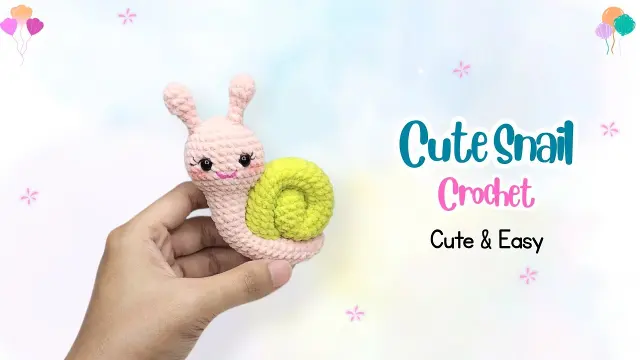 Easy Step-by-Step Tiny Snail Crochet Tutorial for Beginners
Get new #Amigurumi Tutorial ideas by email
Every Thursday: the week's best ideas, with the newest from #Amigurumi Tutorial.
Related tags
Amigurumi: A Guide to Crochet Soft Figures
Amigurumi is the art of making small stuffed figures with yarn, most often by crocheting in the round. The word comes from Japanese, where it refers to knitted or crocheted stuffed toys. Today, amigurumi can describe everything from tiny animals and dolls to fruit, flowers, and whimsical objects. What makes it special is the charming, handmade look: rounded shapes, simple features, and a soft sculptural feel.
What makes amigurumi different
Unlike flat crochet pieces, amigurumi is usually worked as a three-dimensional form. You create separate parts such as the head, body, arms, ears, or legs, then stuff and join them. Many patterns use very tight stitches so the filling stays hidden and the shape stays firm. The finished piece often has embroidered details or safety eyes, but simple stitched features can be just as lovely.
Basic tools and materials
Read more
To get started, you only need a few essentials:
- Yarn that holds its shape well, often cotton or a smooth blend
- A crochet hook sized smaller than you might use for regular crochet, to keep stitches tight
- Fiber filling
- A yarn needle for sewing parts together and weaving in ends
- Stitch markers to keep track of rounds
Beginners often find smooth yarn easier to read than fuzzy yarn, because it shows the stitches more clearly. A light-colored yarn can also make it simpler to count your rows while you are learning.
Common techniques
Most amigurumi patterns use a small set of stitches and methods:
- Magic ring or adjustable loop to begin in the round
- Single crochet for the main fabric
- Increases and decreases to shape curves and curves inward
- Working in continuous rounds rather than joining each round
- Stuffing as you go, so the piece fills evenly
If you are new to amigurumi, practice these basics on a simple shape first, such as a ball or a tiny animal head. Once you understand how increases and decreases change the form, you can follow more detailed patterns with confidence.
Tips for neat results
A tidy amigurumi piece usually comes from patient, even stitching. Keep your tension consistent, especially when shaping the curves. Use enough stuffing to give the figure structure, but not so much that the stitches stretch open. When sewing parts together, place them temporarily with pins or stitch markers so you can check the position before fastening them permanently.
It also helps to count carefully. Missing or adding a stitch in the early rounds can change the shape later, so pause now and then to compare both sides. If you want a polished finish, take your time with the face: small changes in the spacing of the eyes or mouth can give the figure a very different expression.
Choosing your first project
A beginner-friendly amigurumi project is usually small, simple, and made from just a few shapes. Snails, balls, basic animals, and tiny dolls are good starting points because they teach the same core skills without too many complicated pieces. As you gain practice, you can explore more detailed forms, textured yarns, and decorative finishing touches.
Amigurumi is rewarding because it turns a few simple stitches into something playful and personal. With practice, you can create charming figures that feel both creative and comforting to make.
Videos come from YouTube and posts from Instagram; titles and summaries are our own. All rights belong to their creators.