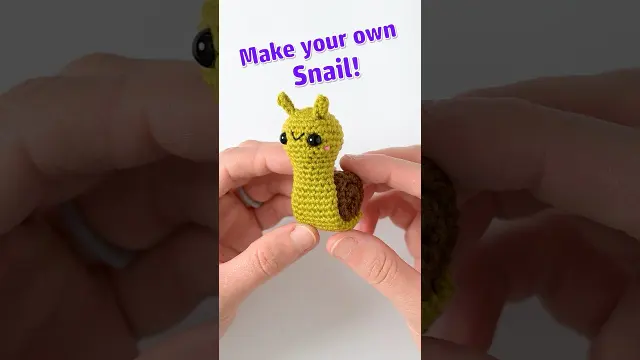
 Let Us Crochet This Tiny Snail Step by Step
#Crochet Snail
13 ideas
Let Us Crochet This Tiny Snail Step by Step
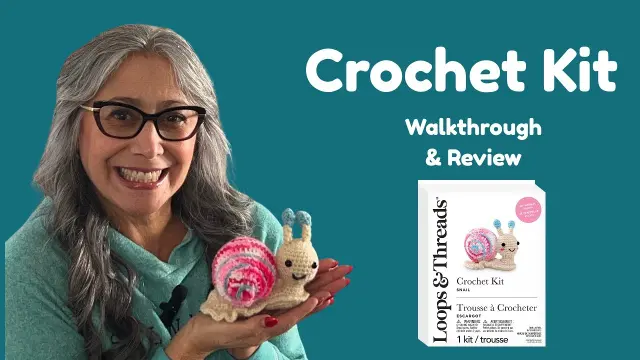 Loops and Threads Snail Crochet Kit Intermediate Walkthrough
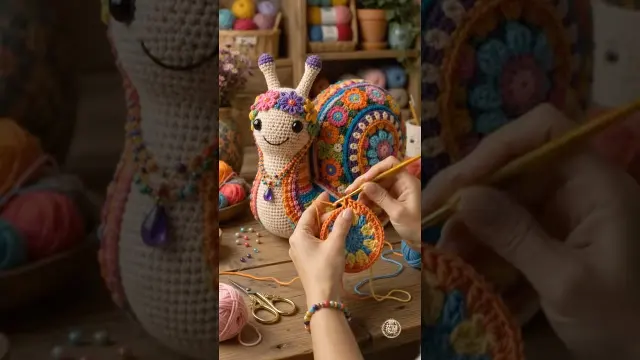 Colorful Crochet Snail Inspired by Flowers and Bright Hues
 Wheat Stitch Snail Crochet Pattern with Video Support
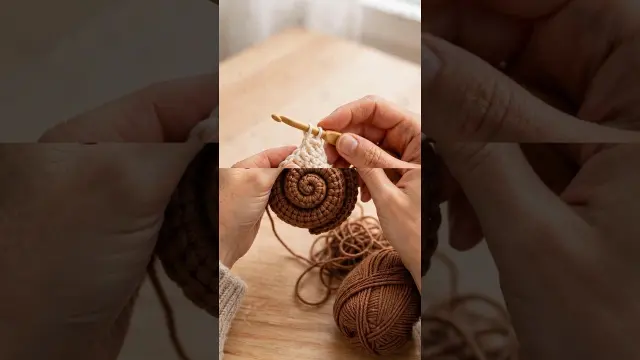 Beginner-Friendly Snail Crochet Pattern with a Retractable Shell
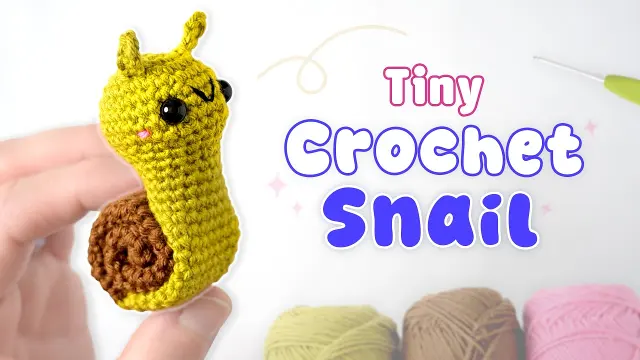 Crochet a Tiny Snail Pattern with This Free Easy Amigurumi Tutorial
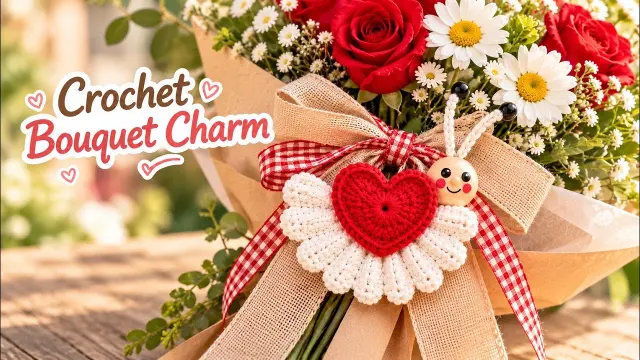 The Cutest Crochet Love Snail Keychain Amigurumi Tutorial
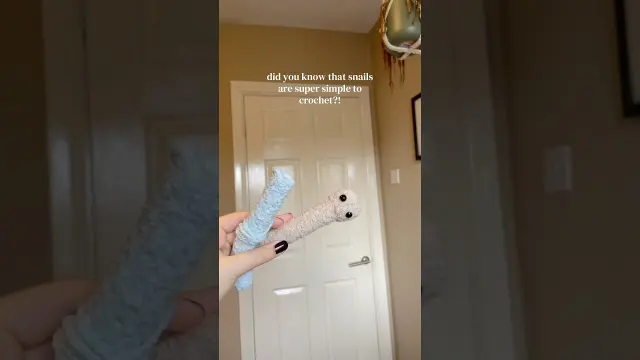 Low-Sew Crochet Pattern for an Adorable Animal Snail
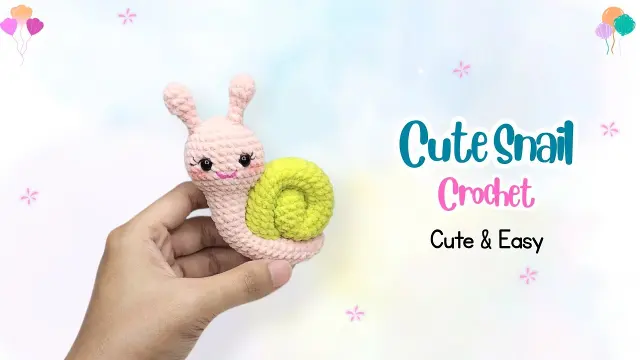 Easy Step-by-Step Tiny Snail Crochet Tutorial for Beginners
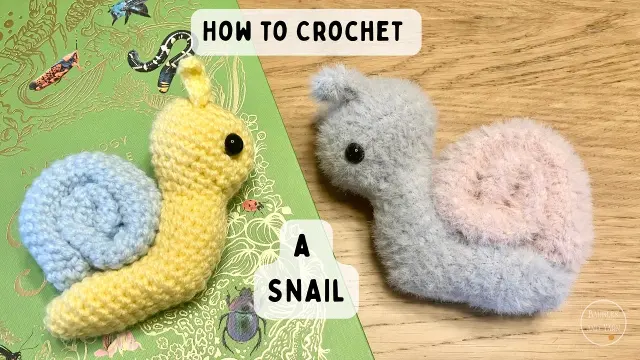 Beginner-Friendly Amigurumi Crochet Snail Tutorial Using Acrylic Yarn
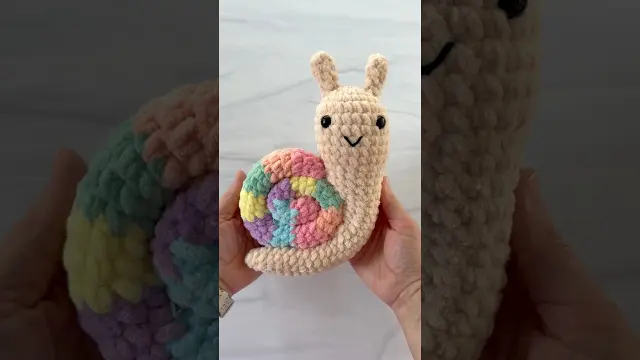 Cute and Cuddly Plush Snail Amigurumi Free Crochet Pattern
 Ranking Various Handmade Crochet Projects
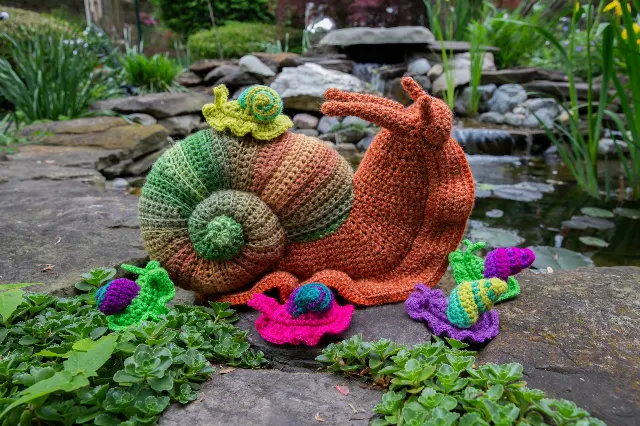 New Tiny Snails Crochet Pattern Release
Get new #Crochet Snail ideas by email
Every Thursday: the week's best ideas, with the newest from #Crochet Snail.
Related tags
Crochet Snails: Patterns, Stitches, and Tips
What a crochet snail is
A crochet snail is a small handmade figure worked with yarn and a hook, usually in the style of amigurumi, the Japanese art of crocheting stuffed toys. The snail is a charming subject because its shape is simple but expressive: a rounded body, a coiled shell, and little details like antennae or a smiling face can give it a lot of character.
Crochet snails are often made as toys, decorations, nursery accents, pincushions, keychain charms, or gifts. They are also a popular project for practicing shaping, color changes, and assembly, since the body and shell are usually made separately and then joined together.
Common styles and forms
Read more
There is no single way to make a crochet snail. Some versions look realistic, while others are playful and stylized.
- Amigurumi snails are the most common. These are stuffed, three-dimensional, and often made with tight stitches for a smooth finish.
- Flat appliqué snails can be sewn onto blankets, bags, hats, or clothing.
- Miniature snails are small enough for keychains, garlands, or tabletop decorations.
- Decorative snails may have extra details such as flowers, bows, mushrooms, or textured shells.
The shell can be made as a spiral, a rounded dome, or a more abstract swirl. The body is usually simple and oval or elongated, with a gentle curve that suggests movement.
Materials and basic techniques
For a beginner-friendly snail, you usually only need yarn, a crochet hook, stuffing, a yarn needle, and safety eyes or embroidered features if you want a face. A soft medium-weight yarn is often easier to handle at first, though many makers prefer smaller yarn for a neat look.
Most crochet snails use a few core techniques:
- Magic ring or adjustable loop to begin round pieces
- Single crochet for dense, sturdy fabric
- Increases and decreases to shape the shell and body
- Slip stitch or chain stitches for joining or finishing details
- Simple sewing to attach the shell, antennae, and facial features
If you are new to amigurumi, it helps to keep your tension even. Crochet fabric for toys should be firm enough that the stuffing does not show through. It is also useful to count your stitches carefully, especially when shaping the shell in rounds.
Helpful tips for beginners
Start with a simple pattern that uses clear rounds and few color changes. A snail is a forgiving project because small variations often add to its handmade charm. If the shell does not look perfectly even, that usually is not a problem.
A few practical tips can make the process easier:
- Use stitch markers so you do not lose track of rounds.
- Stuff the body gradually instead of all at once.
- Sew the shell on securely so it sits at the angle you want.
- Embroider the face if you prefer a softer, child-friendly finish.
- Keep the antennae short and firmly attached if the piece will be handled often.
Why people enjoy making them
Crochet snails are appealing because they are small, whimsical, and satisfying to personalize. You can make them realistic in muted natural colors or turn them into bright little characters with patterned shells and cheerful faces. Because the construction is simple, they are a lovely project for learning amigurumi basics while still creating something memorable and full of personality.
Videos come from YouTube and posts from Instagram; titles and summaries are our own. All rights belong to their creators.