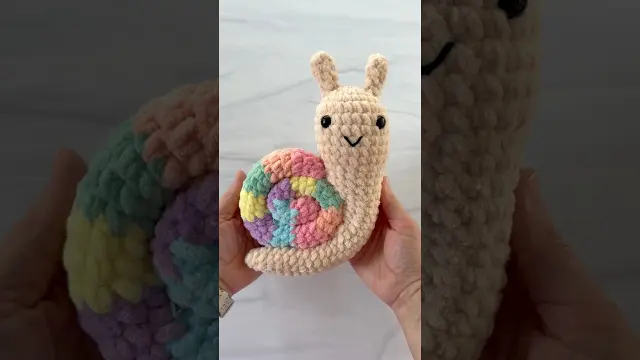
 Cute and Cuddly Plush Snail Amigurumi Free Crochet Pattern
#Plush Toy
9 ideas
Cute and Cuddly Plush Snail Amigurumi Free Crochet Pattern
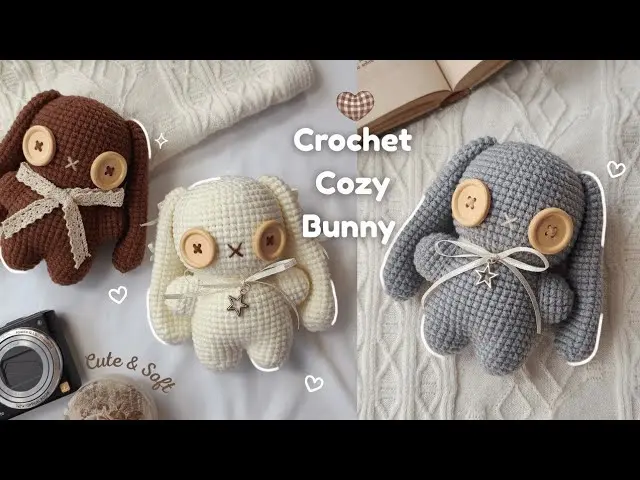 Cozy Bunny Plushie Crochet Tutorial with Vintage Vibe
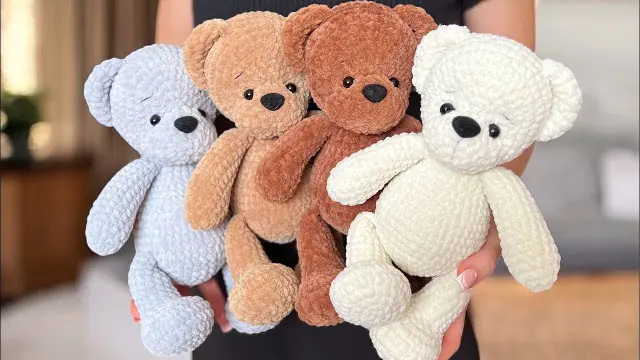 Milky Teddy Bear Plush Crochet Tutorial
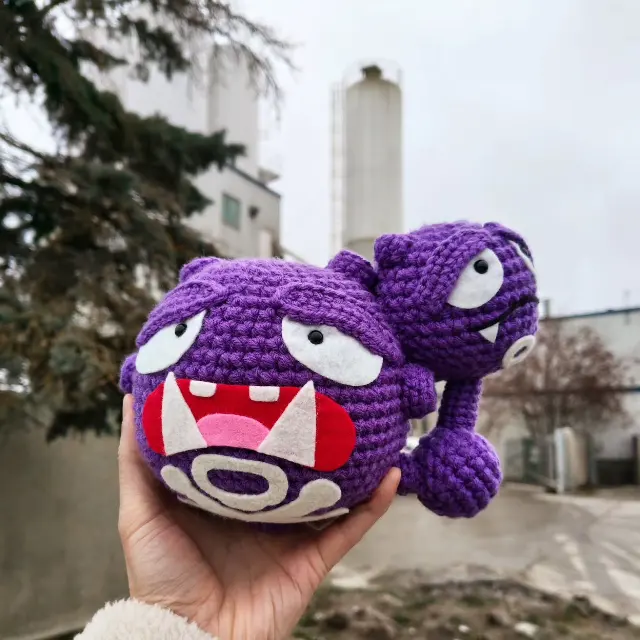 Handmade Crocheted Weezing Amigurumi Toy
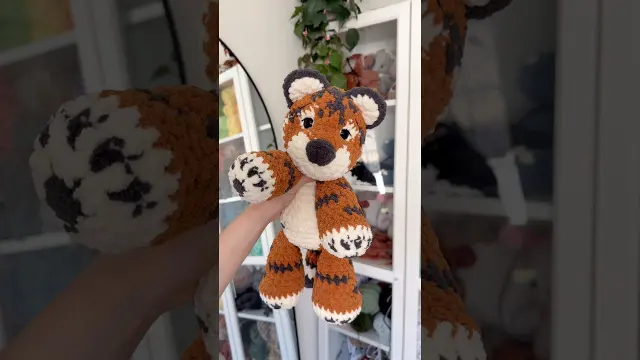 Crocheting a handmade floppy tiger amigurumi toy
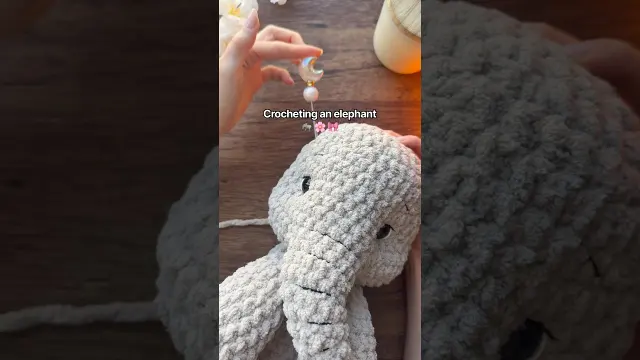 Sewing together a handmade crochet elephant amigurumi
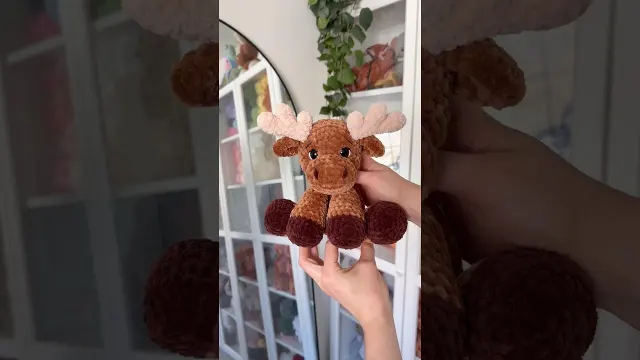 Crocheting a cute handmade moose amigurumi toy
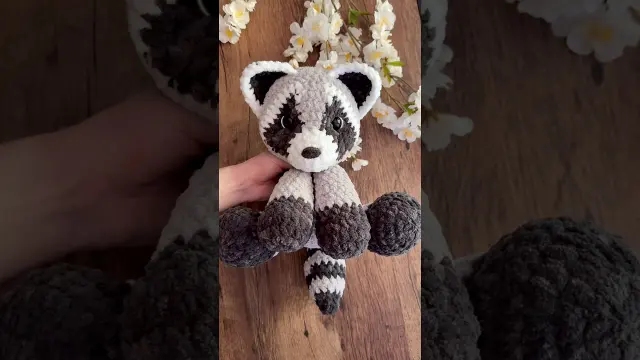 Crocheting a cute sitting raccoon amigurumi toy
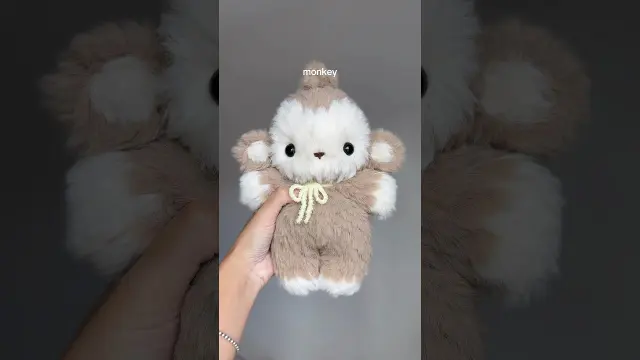 Crocheting a fluffy baby monkey amigurumi toy
Get new #Plush Toy ideas by email
Every Thursday: the week's best ideas, with the newest from #Plush Toy.
Related tags
Plush Toys: A Simple Guide to Soft Toys
Plush toys are soft stuffed toys made for comfort, play, and decoration. They can be shaped like animals, dolls, fantasy creatures, or simple characters, and they are loved by children and adults alike. The word “plush” refers to the soft, velvety feel of the fabric, but in everyday use it often means any cuddly stuffed toy with a gentle, squeezable body.
What plush toys are for
Plush toys have many uses. For children, they are often play companions and bedtime comfort objects. For adults, they may be keepsakes, decorative pieces, or handmade gifts with sentimental value. In many homes, plush toys also serve as nursery decor, shelf accents, or collectible items.
Their appeal comes from their softness and personality. A plush toy can feel friendly, reassuring, and familiar. That is why they are often made with rounded shapes, expressive faces, and textures that invite touch.
Read more
Common styles
Plush toys come in many forms, and the main styles usually differ by shape, finish, and construction.
- Classic stuffed animals: simple bears, rabbits, cats, dogs, and other familiar animals
- Character plush: toys inspired by people, stories, or imaginative figures
- Amigurumi-style plush: small, crocheted toys with neat stitches and a handmade look
- Flat or floppy plush: lightweight toys with a relaxed shape that is easy to carry
- Decorative plush: designed more for display than rough play
Some plush toys are very realistic, while others are simplified or whimsical. You may also find them in tiny handheld sizes or larger cuddle-sized versions.
How they are made
Most plush toys are made from soft fabric pieces that are cut, sewn, turned, and stuffed. The outer fabric may be velour, fleece, felt, plush pile, or yarn if the toy is crocheted or knitted. The filling is usually a soft stuffing that gives the toy its shape and loft.
Handmade plush toys often use one of two approaches: sewing fabric pieces together, or crocheting and then stuffing the shape. Small details such as embroidered eyes, stitched noses, or securely attached features help give the toy expression while keeping it neat and durable.
What beginners should know
If you are choosing or making a plush toy, comfort and safety matter first. For young children, make sure the toy has no loose parts that could come off easily. Simple shapes are often the easiest to make well, and they can still be very charming.
A few practical tips:
- Choose soft, washable materials when possible
- Keep seams and attachments secure
- Start with a simple pattern or basic animal shape
- Use stuffing evenly so the toy keeps a balanced form
- Finish details carefully, since small features make a big difference
Plush toys do not need to be complicated to feel special. A clean shape, soft texture, and a thoughtful expression are often enough to make a toy feel lovable. Whether you buy one or make one by hand, a plush toy is at its best when it feels comforting, well made, and full of character.
Videos come from YouTube and posts from Instagram; titles and summaries are our own. All rights belong to their creators.