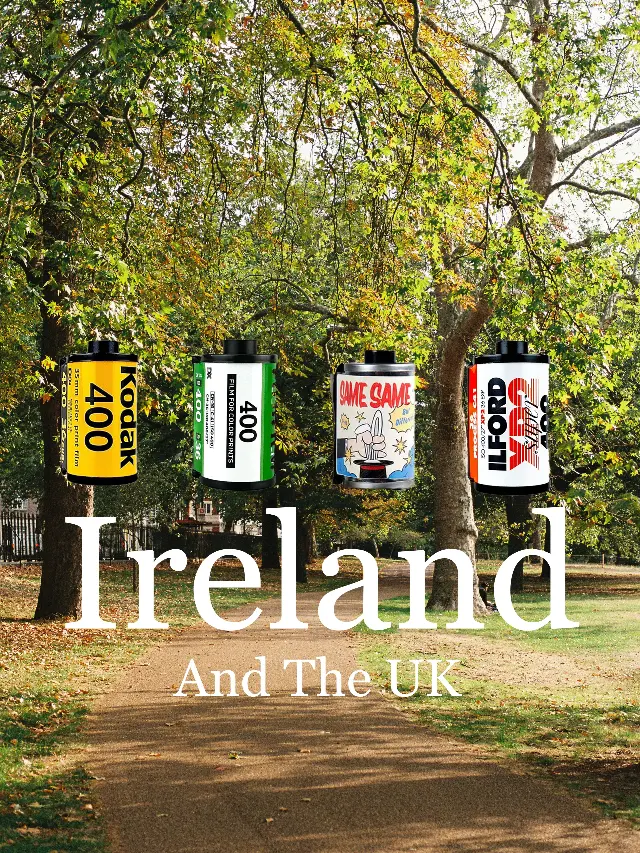
 A Cinematic Journey Through Ireland and the UK on Film
#Analog
1 ideas
A Cinematic Journey Through Ireland and the UK on Film
Get new #Analog ideas by email
Every Thursday: the week's best ideas, with the newest from #Analog.
Related tags
Analog Photography Guide
Analog photography is the art of making images on film rather than recording them digitally. Light enters the camera and exposes a strip of film, which is later developed into negatives or positives and printed or scanned. Because the process is physical and limited by the number of frames on a roll, many people enjoy analog photography for its slower pace, careful composition, and distinctive look.
What analog photography is
At its core, analog photography is about capturing light with chemical film. Unlike digital photography, where the image is stored as data, film has to be exposed, processed, and then viewed. That extra step is part of its appeal: it encourages patience, observation, and more deliberate shooting.
Film photography has a long history and was the standard form of photography for more than a century. Today it is still used by artists, hobbyists, and anyone who enjoys its tactile process. Some people are drawn to the tonal range, grain, and color rendering of film, while others value the hands-on experience of loading, winding, and developing.
Read more
Common types and styles
Analog photography comes in several forms. The most familiar is 35mm film, which is compact and widely used by beginners. Medium format film offers a larger negative and is often chosen for its detailed, rich images. Large format uses even bigger sheets of film and is usually associated with careful studio or landscape work.
Film itself also comes in different kinds. Black-and-white film is popular for its classic contrast and simplicity. Color negative film is versatile and forgiving, while slide film, also called transparency film, is known for its vivid color and more demanding exposure. Each type gives a different look, so part of the joy is discovering which one suits your eye.
Techniques and creative approach
Good analog photography starts with light, composition, and exposure. Because you cannot check every image immediately in the same way as with digital cameras, it helps to slow down and think before pressing the shutter. Learn how your camera meters light, how aperture affects depth of field, and how shutter speed influences motion.
A few practical habits can help:
- Carry your camera often and shoot regularly
- Keep notes about film type, lighting, and settings
- Load and handle film carefully to avoid mistakes
- Store film properly to protect it from heat and moisture
- Be patient during development and printing
What beginners should know
If you are new to analog photography, start simple. A basic film camera with manual controls can teach you a lot, but even an automatic camera can be a good entry point. Choose one film type and learn how it behaves in different light. Expect a learning curve, especially when it comes to exposure and focusing.
It also helps to understand that film is less forgiving than digital in some situations, so practice in good light first. Mistakes are part of the process, and they often teach you the most. Over time, you will begin to recognize the strengths of film: its texture, its atmosphere, and the sense of intention it brings to each frame.
Analog photography is not only a method, but a way of seeing. It invites you to slow down, trust the process, and value each image you make.
#Analog: frequently asked questions
How do I get started with analog photography?
Start with a simple camera you can actually operate and a single type of film, then shoot often in good light so you can see how that film behaves. Expect a learning curve around exposure and focusing, and treat early mistakes as part of the process rather than failures.
What do I need before shooting my first roll?
You need a working film camera, film suited to the light you plan to shoot in, and a way to get the film developed and either printed or scanned. A basic camera with manual controls teaches you the most, though an automatic one is a perfectly fine entry point. Keeping brief notes on settings and lighting helps you understand your results later.
Which kind of film should I choose?
Black-and-white film is a good place to begin because its classic contrast is easy to read and it forgives a lot. Color negative film is versatile and tolerant of varied light, while slide film gives vivid color but demands more precise exposure. Try one type until it feels familiar before adding others.
How should I store and handle film?
Keep unexposed and exposed film away from heat, moisture, and direct light, and try to get it developed soon after shooting. Load and unload carefully in subdued light, and avoid leaving a camera with film inside in a hot car or sunny spot.
What mistakes do beginners usually make?
The most common ones are misjudging exposure, forgetting to set the film speed or check the camera's settings, and opening the back with film still loaded. Slowing down before each frame and rewinding fully before unloading prevents most of these. Shooting in good light at first also removes a lot of the guesswork.
Any ideas for a themed film project?
A travel story is a natural fit: choose a place or route and build a sequence of frames that follows the journey rather than isolated snapshots. Working to a loose theme pushes you to look for mood, light, and connections between images, which is where film's atmospheric quality really shows.
Videos come from YouTube and posts from Instagram; titles and summaries are our own. All rights belong to their creators.