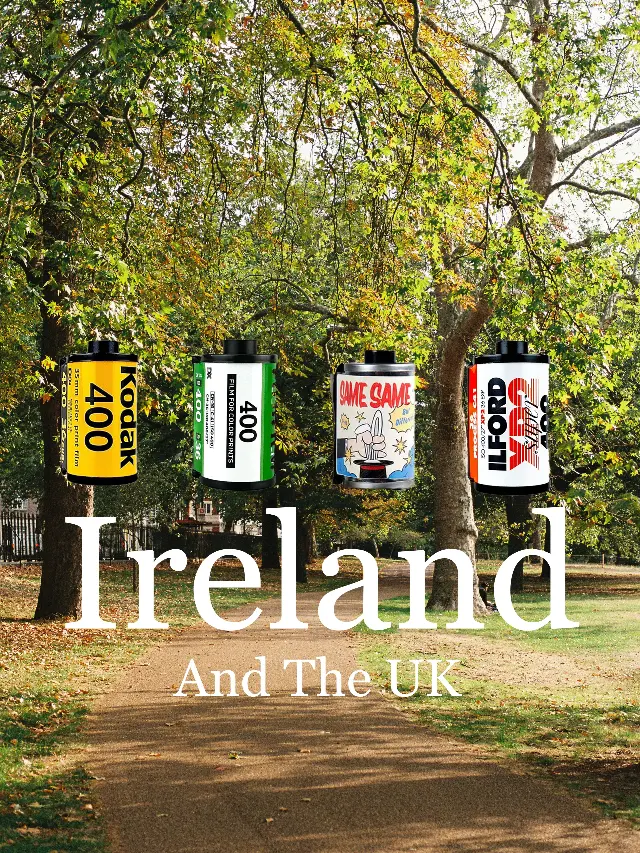
 A Cinematic Journey Through Ireland and the UK on Film
#Film Photography
2 ideas
A Cinematic Journey Through Ireland and the UK on Film
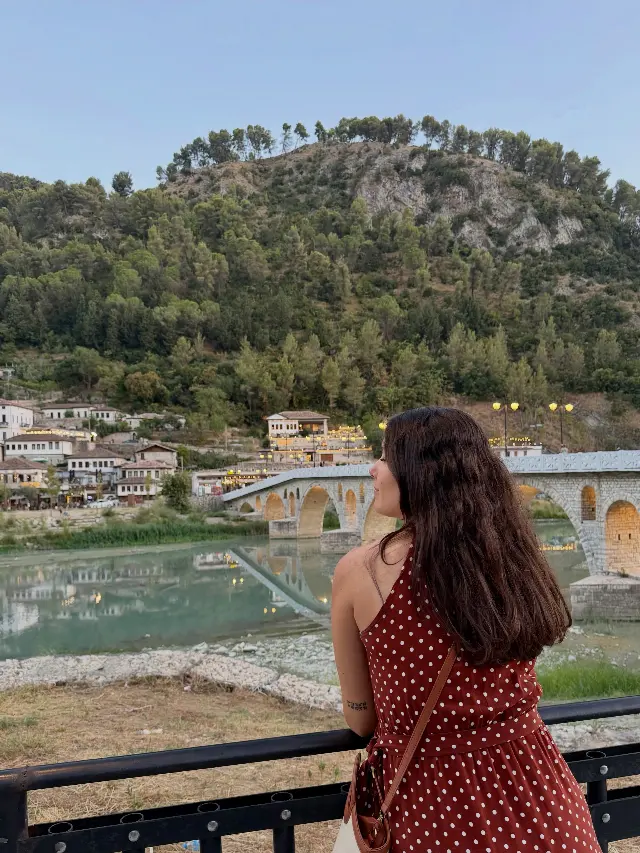 Nostalgic film memories and travel moments captured on camera
Get new #Film Photography ideas by email
Every Thursday: the week's best ideas, with the newest from #Film Photography.
Related tags
Film Photography Guide
Film photography in simple terms
Film photography is the process of making photographs on light-sensitive film instead of a digital sensor. Light enters the camera, exposes the film, and leaves behind a latent image that is later developed into negatives or slides. It is one of the oldest and most influential ways of making pictures, and it still appeals to many people for its thoughtful pace, tactile process, and distinctive look.
Film photography grew out of the early history of photography in the nineteenth century and became the standard way most people photographed life for more than a hundred years. Today it is often chosen both for everyday shooting and for creative work, especially when someone wants a slower, more deliberate approach.
Main kinds of film
Read more
There are a few common ways to think about film photography:
- Black-and-white film: valued for its tonal range, simplicity, and timeless feel
- Colour negative film: the most familiar type for general photography, with generous exposure latitude
- Slide or reversal film: produces positive images and is often associated with rich colour and precise exposure
- Different formats: 35mm is common and portable, medium format offers larger negatives, and large format is used for very detailed, carefully composed work
Each format changes the experience. Smaller formats are usually easier to carry and cheaper to use, while larger formats often reward slower composition and more detail.
How film photography is used
Film can be used for portraits, landscapes, street scenes, still life, family pictures, travel, and fine-art work. Some people enjoy it for its look, while others value the process itself: loading the camera, choosing settings carefully, and waiting to see the results. Because each frame matters, film often encourages more attention to light, composition, and timing.
What beginners should know
If you are starting out, keep things simple. Choose one camera and one type of film, then focus on learning how they behave. It helps to understand a few basics:
- Film speed, or ISO, affects how sensitive the film is to light
- Exposure still matters greatly, so pay attention to shutter speed, aperture, and available light
- Film can be forgiving, but overexposure and underexposure both affect the final image
- You will not see the result immediately, so patience is part of the process
A camera in good working order is more useful than a complicated one you do not yet understand. Clean lenses, fresh batteries if needed, and careful handling all make a difference.
Practical tips for better results
Try to shoot in good light when you are learning, because it makes exposure easier to judge. Meter thoughtfully, or use your camera’s built-in meter if it works reliably. Keep notes if you want to compare how different films and lighting conditions look. Store unexposed film in a cool, dry place and protect exposed film from heat and rough handling. When your film is processed, take time to study the negatives or scans, because that is where you learn how your camera sees.
Most of all, film photography rewards patience and practice. The more you use it, the more natural it becomes, and the more clearly you begin to understand light, timing, and your own style.
#Film Photography: frequently asked questions
How do I start with film photography if I have never used a film camera before?
Start with a single working camera and one type of film, then spend your first rolls learning how that pair behaves in different light. Keeping the setup simple means you can focus on light, composition, and timing instead of juggling unfamiliar settings. Patience is part of the deal, since you will not see your pictures until the film is developed.
What do I actually need to get started, beyond a camera?
You need film, a lens that is clean and free of haze, and a working light meter or a camera with a reliable built-in one. Fresh batteries where the camera needs them, a safe place to store your film, and a plan for processing and scanning complete the basics. A modest kit in good order serves you far better than complicated gear you do not yet understand.
Which type of film should I choose for a first attempt?
Colour negative film is usually the friendliest place to begin, because it tolerates small exposure errors and works in a wide range of situations. Black-and-white is a good second step when you want to concentrate on tone and contrast without the distraction of colour. Slide film rewards precision, so it is generally better saved until you are confident with exposure.
How should I store and handle film so my pictures turn out well?
Keep unexposed film somewhere cool and dry, and shield exposed film from heat and rough handling until it is processed. Load and unload out of direct sun, and try not to leave a camera sitting in a hot car or on a sunny windowsill. Treating the film gently protects the latent image you cannot see yet.
What mistakes do most beginners make?
The usual ones are shooting in difficult light too early, ignoring the meter, and scattering attention across several films at once so nothing is learned properly. Overexposure and underexposure both leave their mark, and forgetting to check settings between shots costs frames. Reviewing your negatives or scans afterwards, rather than just the prints, is what actually teaches you how your camera sees.
What kinds of occasions suit film photography?
Film works beautifully for travel and the small ordinary moments that memory tends to blur, which is why nostalgic trip pictures are such a natural fit. Portraits, family gatherings, still life and landscape all benefit from its slower, more considered pace. Because every frame counts, it also tends to make you more present in whatever you are photographing.
Videos come from YouTube and posts from Instagram; titles and summaries are our own. All rights belong to their creators.