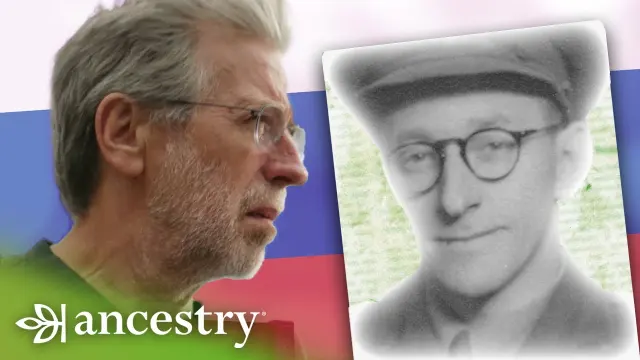
 Uncovering a Family Spy Scandal from the 1950s
#Ancestry
7 ideas
Uncovering a Family Spy Scandal from the 1950s
 The Real History Behind Princess Diana's Bloodline
 Investigating Royal Roots and Family Secrets
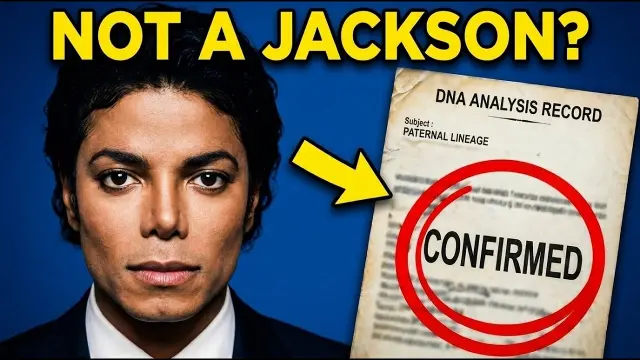 Tracing Michael Jackson's Paternal Bloodline
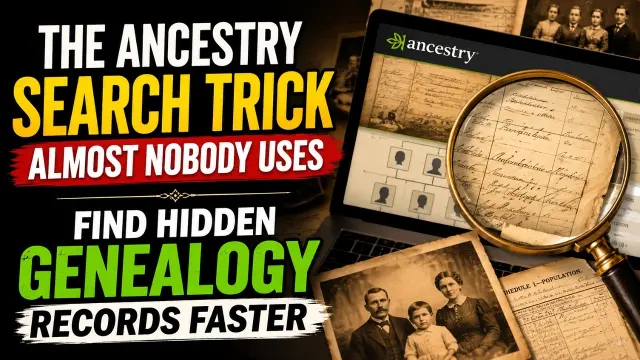 An Advanced Ancestry Search Trick to Find Hidden Genealogy Records Faster
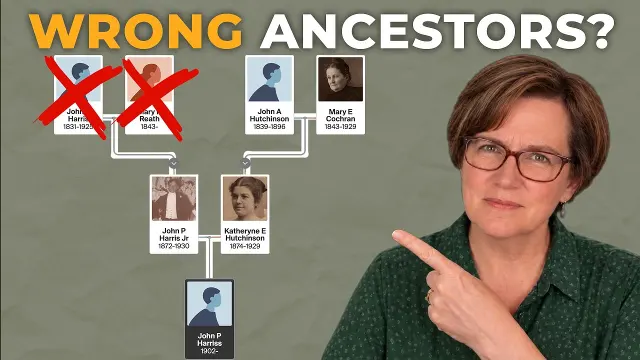 Five Warning Signs That Indicate Your Family Tree Research Might Be Wrong
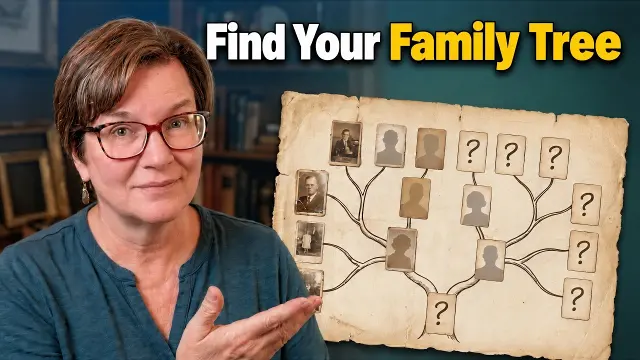 How to Start Your Family Tree When No Older Relatives Are Left to Ask
Get new #Ancestry ideas by email
Every Thursday: the week's best ideas, with the newest from #Ancestry.
Related tags
Ancestry and Family History Research
What ancestry means
Ancestry is your line of descent: the people you come from, and the family connections that link you to earlier generations. It includes parents, grandparents, and more distant relatives, as well as the places, cultures, and traditions that shaped your family over time. For many people, exploring ancestry is a way to understand identity, preserve stories, and keep family knowledge from being lost.
Where ancestry research begins
Family history usually starts with what you already know. Names, dates, places, photographs, letters, certificates, and old family stories can all provide useful clues. Even small details matter. A place name, a nickname, a religion, a language, or a migration route may help you connect records that would otherwise seem unrelated.
Read more
If older relatives are available, speak with them while you can. Ask open questions and listen carefully. Memories are not always exact, but they can point you toward the right records. If there are no living relatives to ask, begin with your own documents and work backward step by step.
Common sources for tracing family lines
Ancestry research draws on many kinds of records, depending on the country and time period. Useful sources often include:
- Birth, marriage, and death records
- Census records and household lists
- Church registers
- Immigration and naturalization records
- Military records
- Wills, land records, and probate papers
- School, cemetery, and newspaper records
No single record tells the whole story. It is usually best to compare several sources and look for patterns that repeat. This helps you avoid confusing people with similar names or mixing up different branches of the same family.
Main styles of family history work
Some people build a direct-line tree, tracing one line of ancestors back as far as possible. Others research all branches of the family at the same time, which can reveal siblings, cousins, and migration patterns. You may also focus on a surname, a region, or a particular family tradition.
DNA testing can sometimes support family history research, especially when records are missing or unclear. It can suggest connections, but it should not replace documentary evidence. Use it as one more clue, not as the final answer.
Good habits for beginners
Start with what you can prove, not with what you hope is true. Record each fact carefully and keep track of where you found it. If a detail comes from memory, note that too. This makes it easier to revisit your work later.
- Work from the known to the unknown
- Save copies of documents and photos
- Note variant spellings of names
- Check more than one source before drawing conclusions
- Separate facts from guesses
- Organize your notes as you go
A thoughtful approach
Ancestry research can be rewarding, but it also asks for patience. Families are sometimes complex, and records can be incomplete, damaged, or hard to read. Take your time, stay curious, and be prepared to revise your ideas as new evidence appears. Over time, careful research can turn scattered details into a fuller story of where you come from and how your family moved through the world.
Videos come from YouTube and posts from Instagram; titles and summaries are our own. All rights belong to their creators.