 Daniel Radcliffe Uncovers a Dark Family Secret
#Family Heritage
15 ideas
Daniel Radcliffe Uncovers a Dark Family Secret
 Celebrating a Family Heritage Day
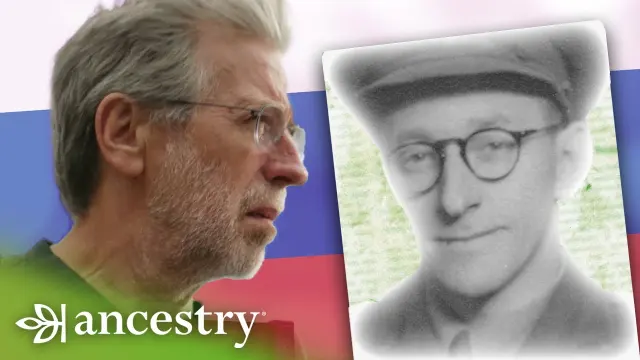 Uncovering a Family Spy Scandal from the 1950s
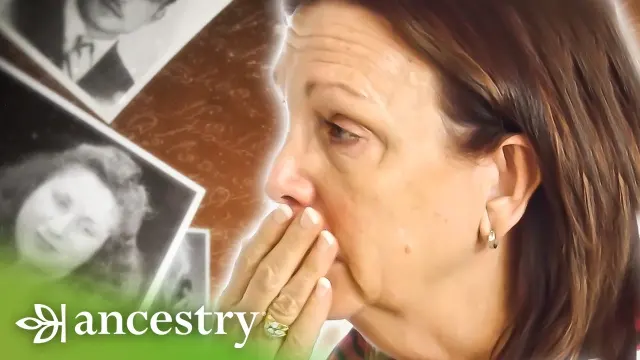 Uncovering Hidden Truths About Family History
 Essential Free Genealogy Websites for Family History Research
 Useful AI Tools for Genealogy and Research
 Native American Heritage Month Historical Stories
 Cherished Memories on Our Family Property
 The Real History Behind Princess Diana's Bloodline
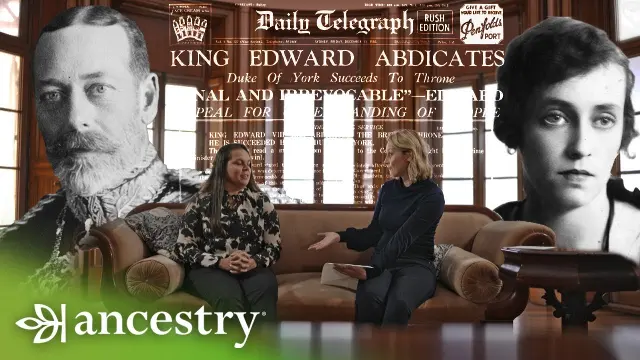 Investigating Royal Roots and Family Secrets
 Using AI for Historical Genealogy Research
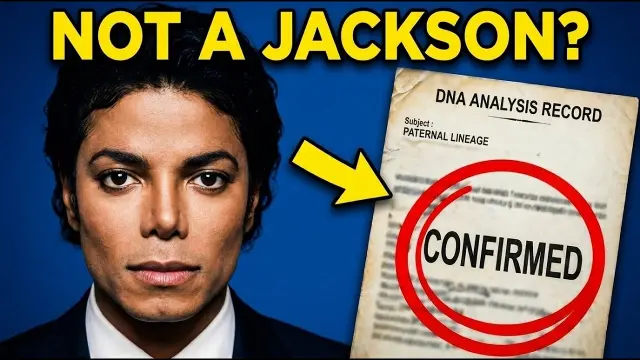 Tracing Michael Jackson's Paternal Bloodline
 Trying On Family Heritage Wedding Dresses Passed Down Through Generations
 Restoring an Inherited Mountain House to Preserve Family Memories
 The Family Tree Song to Learn Family Vocabulary with Children
Get new #Family Heritage ideas by email
Every Thursday: the week's best ideas, with the newest from #Family Heritage.
Related tags
Family Heritage: Preserving What Matters
Family heritage is the collection of memories, traditions, objects, and stories that pass from one generation to the next. It can live in a recipe handed down by a grandparent, a piece of clothing worn at family celebrations, a house filled with shared history, or simply the way your family marks important moments. At its heart, family heritage is about continuity: knowing where you come from and carrying part of that history forward.
What family heritage can include
Heritage is not only about large heirlooms or formal records. It can also be everyday things that hold meaning within a family.
- Photographs, letters, and documents
- Clothing, jewelry, furniture, or keepsakes
- Recipes, sayings, and family customs
- Stories about ancestors, places, and past events
- Homes, gardens, or objects tied to family life
Read more
Some families have a very visible heritage, while others hold it in memories and repeated traditions. Both are valuable.
Why it matters
Family heritage helps create a sense of identity and belonging. For children, it can offer a link to people and places they may never have known directly. For adults, it often becomes a way to honor loved ones, understand family patterns, and keep meaningful traditions alive. Heritage can also be a source of comfort, especially when it is connected to the home, familiar rituals, or shared family work.
Common ways to preserve it
Preserving family heritage does not always mean storing everything carefully in a box. Sometimes it means using, documenting, and passing things on with intention.
- Label old photos and keep notes about names, places, and dates
- Record family recipes in a clear, lasting form
- Ask relatives about the stories behind heirlooms
- Store fragile items in dry, safe places away from light and moisture
- Repair treasured objects gently rather than replacing them too quickly
- Write down traditions so they are easier to continue
If you inherit an item or a home, take time before making changes. Look at what feels meaningful, what needs care, and what can be adapted to suit present-day life.
A thoughtful approach to heirlooms
Not every inherited object needs to be kept forever, and not every tradition needs to stay exactly the same. What matters is deciding with care. Some families choose to keep a few special pieces, share others among relatives, or photograph items before passing them on. When an object cannot be used, it may still be worth preserving its story.
Keeping heritage alive
The most lasting family heritage is often the kind that is lived, not just stored. Cook the old recipes. Use the family dishes on ordinary days. Tell the stories again. Invite younger family members to ask questions and take part. In this way, heritage becomes more than the past. It becomes something active, practical, and shared, carried forward in a way that still feels true to your family today.
Videos come from YouTube and posts from Instagram; titles and summaries are our own. All rights belong to their creators.