 Ika Traditional and Modern Fashion Styles in Nigeria
#Cultural Heritage
3 ideas
Ika Traditional and Modern Fashion Styles in Nigeria
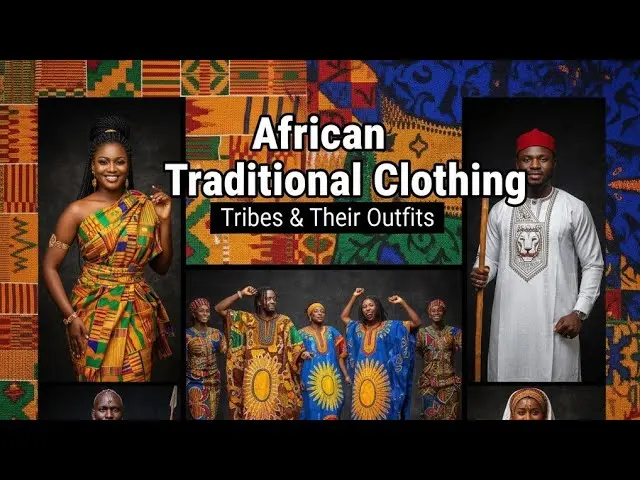 Traditional African Clothing Representing Tribes and Culture
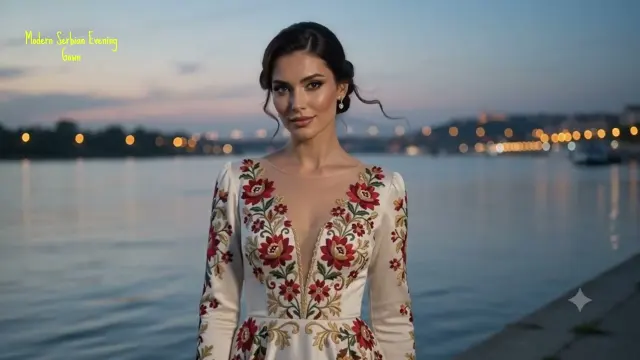 Top Serbian Women Traditional and Modern Dresses
Get new #Cultural Heritage ideas by email
Every Thursday: the week's best ideas, with the newest from #Cultural Heritage.
Related tags
Cultural Heritage and Traditional Dress
Cultural heritage is the shared legacy of a community: its customs, stories, skills, clothing, music, language, food, and objects. It can be tangible, such as garments, textiles, buildings, and handmade tools, or intangible, such as songs, rituals, and ways of dressing and celebrating. For many people, heritage is part of daily life, not only something kept in museums.
What cultural heritage includes
Cultural heritage often shows itself through dress and craft. Traditional clothing may reflect climate, religion, social roles, region, or ceremony. Fabrics, embroidery, beadwork, dyeing, weaving, and tailoring can all carry meaning. The same is true for other forms of heritage: a recipe passed down in a family, a dance performed at celebrations, or a pattern used in basketry can all be part of a community’s identity.
Heritage is not fixed. It is inherited, adapted, and lived with. That means traditional forms can continue in modern settings, as everyday wear, formal dress, or inspiration for contemporary design. What matters is that the connection to memory, skill, and meaning is respected.
Read more
Common forms and styles
In clothing, cultural heritage may appear in ceremonial dress, wedding attire, regional costume, or garments worn for religious or festive occasions. Some traditions are marked by distinctive silhouettes, while others are recognized by color, fabric, ornament, or the way a garment is wrapped or layered.
There are many kinds of heritage clothing and textiles:
- woven cloth with local patterns
- embroidered or beaded garments
- dyed fabrics made with traditional methods
- head coverings, sashes, shawls, and wraps
- handcrafted accessories tied to ceremony or identity
Because every culture has its own history, the meaning of these items can differ widely. A style that looks decorative to one person may carry deep social or spiritual significance for another.
How heritage is preserved
Cultural heritage survives when people continue to use, teach, and care for it. Families pass on skills. Artisans keep techniques alive. Communities wear traditional dress for important moments. Museums, archives, and cultural groups may also help protect older examples and record their stories.
If you are drawn to traditional fashion or crafts, it helps to learn the background first. Ask where a style comes from, what it means, and when it is appropriate to wear. Treat borrowed elements with care, especially when they belong to a living community and are not simply decorative motifs.
What beginners should know
If you are exploring cultural heritage through clothing or design, start with respect and curiosity.
- Learn the history behind the garment or pattern
- Notice how it is made, worn, and cared for
- Understand whether it is everyday wear, ceremonial dress, or both
- Support makers and communities who keep the tradition alive
- Avoid reducing a rich culture to a costume or a trend
Cultural heritage is valuable because it connects people to memory, place, and identity. Whether you are studying it, wearing it, or making it, the most important thing is to honor its story.
Videos come from YouTube and posts from Instagram; titles and summaries are our own. All rights belong to their creators.