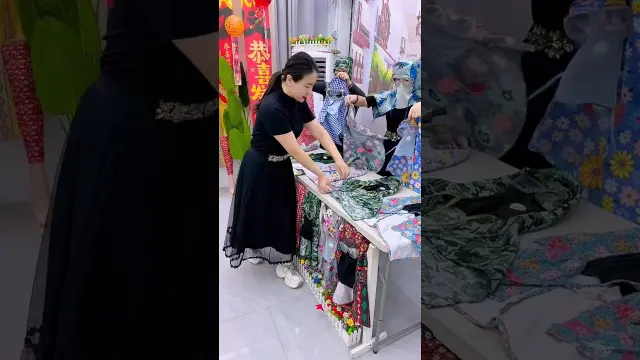
 Chinese Fashion Dress Collection and Outfit Ideas
#Traditional Fashion
14 ideas
Chinese Fashion Dress Collection and Outfit Ideas
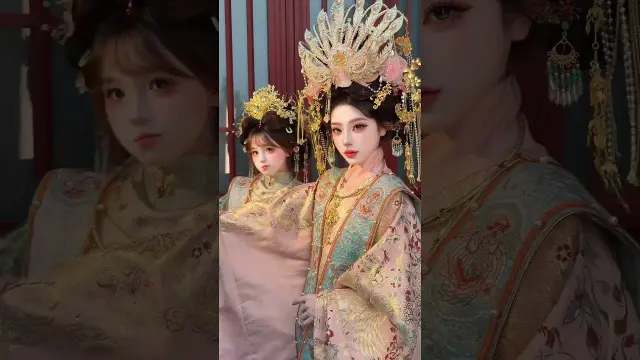 Traditional Chinese Clothing Styles Across Dynasties
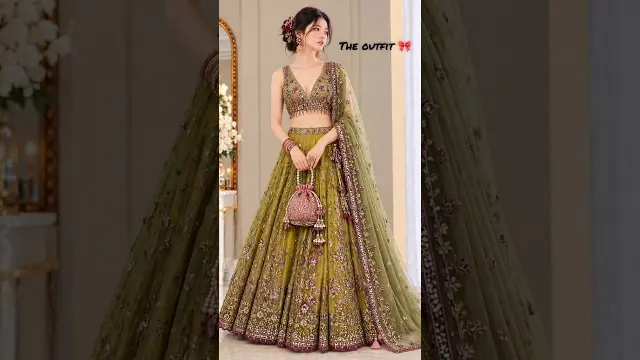 Olive Green Designer Lehenga with Korean Floral Embroidery
 Ika Traditional and Modern Fashion Styles in Nigeria
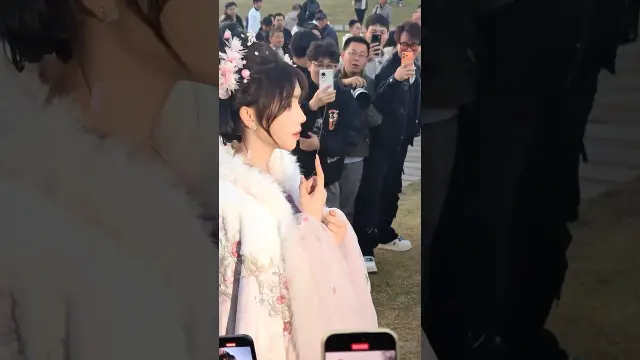 Overview of Traditional Chinese Hanfu and Ancient Costumes
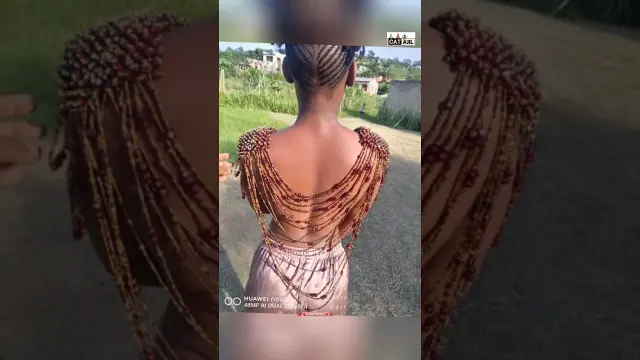 Zulu Traditional Dance Attire and Beadwork Regalia
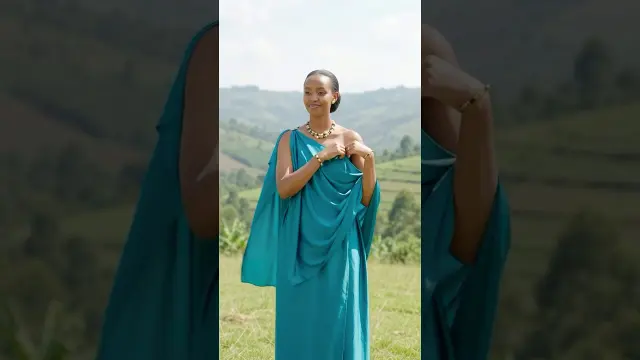 Rwandan Girls Traditional and Modern Fashion Showcase
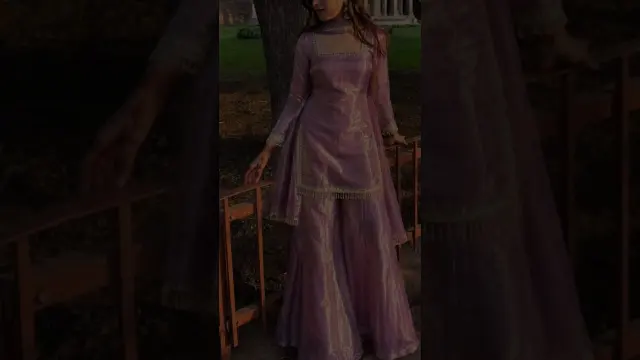 Five Traditional Indian Dress Ideas for Ethnic Looks
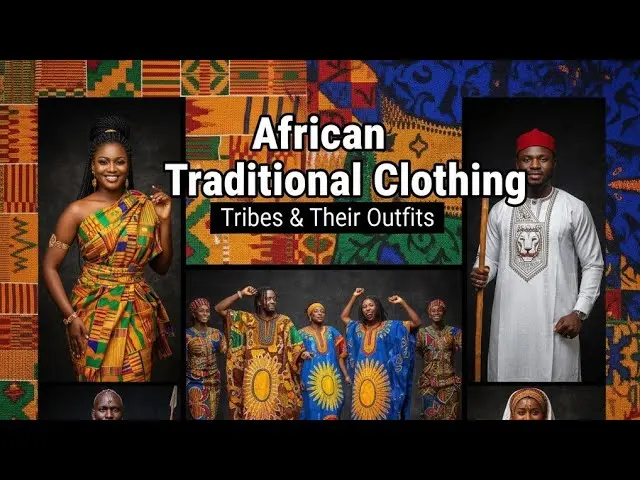 Traditional African Clothing Representing Tribes and Culture
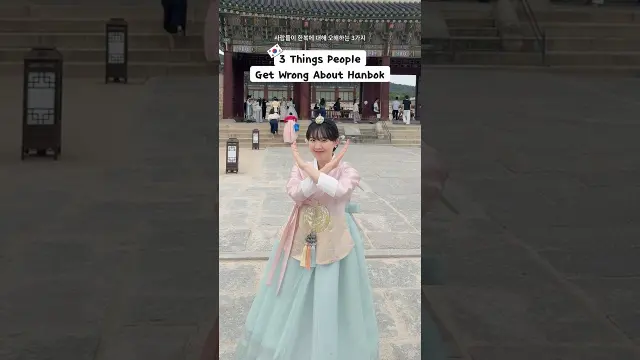 Three Common Misconceptions About Traditional Korean Hanbok
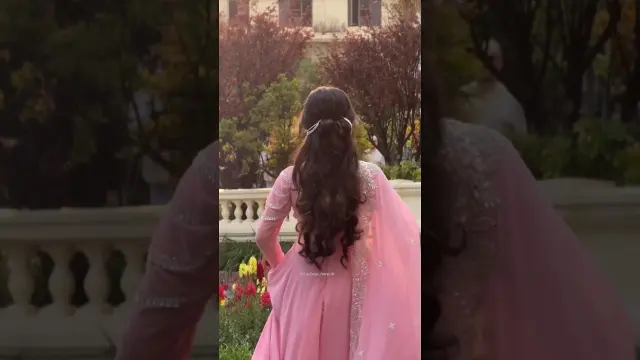 Top Five Traditional Indian Dresses for Girls
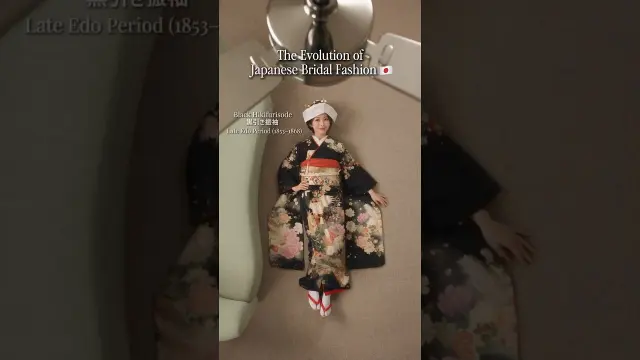 Evolution of Japanese Wedding Dresses Over 1,000 Years
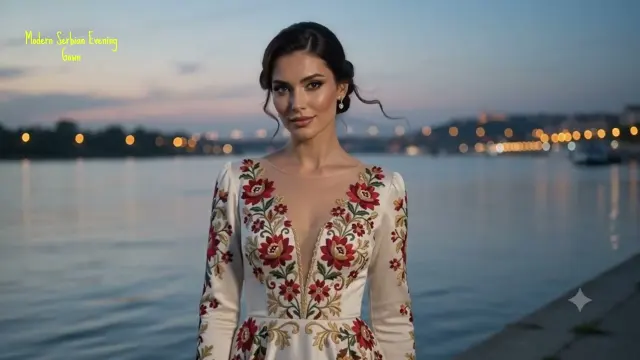 Top Serbian Women Traditional and Modern Dresses
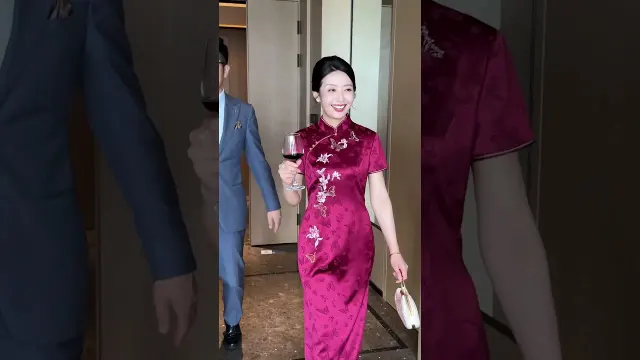 Royal Maroon Traditional Dress for Wedding Celebrations
Get new #Traditional Fashion ideas by email
Every Thursday: the week's best ideas, with the newest from #Traditional Fashion.
Related tags
Traditional Fashion: Timeless Dress and Craft
Traditional fashion refers to clothing rooted in a community’s culture, history, and everyday life. It can include ceremonial dress, regional dress, festive wear, and garments worn for important family or religious occasions. In many places, traditional clothing began as practical dress shaped by climate, local materials, and social customs. Over time, it also became a way to express identity, belonging, and craftsmanship.
What traditional fashion means
Traditional fashion is not one single style. It can be a sari, kimono, hanbok, dirndl, kaftan, embroidered tunic, woven wrap, or many other forms depending on the culture. What these garments share is a connection to heritage. They often carry meaning through color, fabric, cut, ornament, or the way they are worn.
Some pieces are reserved for celebrations, while others are everyday dress adapted through generations. In many families, traditional clothing is also passed down, altered, or recreated for weddings, festivals, and rites of passage.
Read more
Fabrics, decoration, and craft
Traditional garments often highlight local skills. You may find handwoven cloth, embroidery, beadwork, appliqué, block printing, pleating, dyeing, or lacework. Natural fibers such as cotton, silk, wool, and linen are common in many traditions because they are comfortable and can be shaped beautifully.
Decoration usually has more than one purpose. It can mark status, region, marital stage, or occasion, but it can also simply be part of the beauty of the garment. If you are learning about a specific tradition, it helps to look closely at the textile, silhouette, and accessories together, because the whole outfit often carries the meaning.
Main kinds and styles
Traditional fashion can be broadly understood in a few ways:
- Everyday heritage dress: practical clothing worn in daily life or adapted for regular use
- Ceremonial dress: more formal garments used for weddings, religious events, and celebrations
- Regional dress: styles tied to a particular place or community
- Folk-inspired dress: modern clothing shaped by traditional cuts, motifs, or techniques
Each style can vary widely from one area to another. Even within one culture, dress may change according to age, season, ceremony, and social context.
How to wear it thoughtfully
If you are new to traditional fashion, start by learning the story behind the garment. Understand how it is meant to fit, drape, or fasten. Some pieces rely on precise wrapping or layering, so a little practice helps.
A few practical tips:
- Choose the right size and silhouette so the garment falls properly
- Respect the way the outfit is traditionally styled, especially for formal occasions
- Pay attention to fabric care, since many heritage textiles need gentle handling
- Use accessories with restraint if the clothing already has detailed decoration
- If you borrow a style from another culture, learn its meaning and wear it respectfully
Why it remains important
Traditional fashion endures because it holds memory. It connects people to family, region, ceremony, and craft. Even when styles change, the basic idea stays the same: clothing can tell a story about who you are and where you come from. Learning about traditional dress is a way to appreciate both beauty and heritage, and to notice the skill behind garments that have lasted across generations.
Videos come from YouTube and posts from Instagram; titles and summaries are our own. All rights belong to their creators.