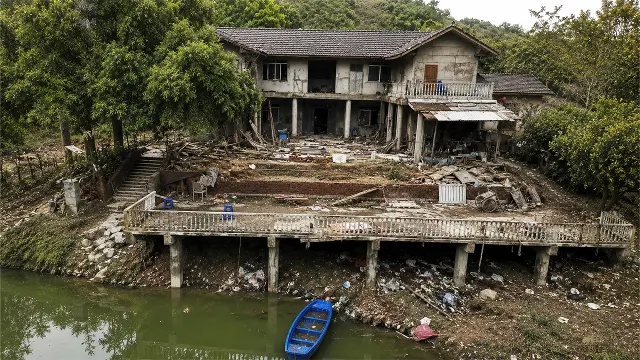
 Restoring an Inherited Mountain House to Preserve Family Memories
#Mountain Cabin
1 ideas
Restoring an Inherited Mountain House to Preserve Family Memories
Get new #Mountain Cabin ideas by email
Every Thursday: the week's best ideas, with the newest from #Mountain Cabin.
Related tags
Mountain Cabin Living and Style
A mountain cabin is a small, sturdy home designed for life in a cool, rugged landscape. Traditionally, cabins were simple shelters built from local materials such as wood and stone, chosen for their strength and availability. Over time, the mountain cabin became more than a practical dwelling: it also came to suggest warmth, privacy, and a close connection to nature.
What defines a mountain cabin
A mountain cabin usually feels unpretentious, cosy, and grounded. It often has a compact shape, sloped roof, and natural materials that suit the weather and setting. Because mountain climates can change quickly, cabins are commonly built to feel sheltered and durable. Inside, the layout is often straightforward, with spaces arranged for comfort, storage, and easy living.
The cabin style is less about luxury and more about atmosphere. It values simplicity, texture, and a sense of retreat. Many people love mountain cabins for the way they make everyday life feel slower and more restful.
Read more
Common styles and influences
Mountain cabins can take many forms, depending on region and tradition. Some are rustic and traditional, with rough-hewn timber, stone fireplaces, and handmade details. Others are more refined, using clean lines and lighter finishes while still keeping a natural, relaxed feel.
You may also see influences from:
- Log cabin construction, with visible timber walls and a classic woodland look
- Alpine or chalet-inspired design, often with steep roofs and generous eaves
- Modern rustic style, which blends natural materials with simpler shapes and open interiors
No matter the style, the best cabin interiors usually feel balanced rather than crowded. The goal is to let the materials, views, and natural light do much of the work.
Materials and atmosphere
Wood is central to the cabin look, but it is often paired with other natural surfaces. Stone, wool, linen, leather, and iron can all add depth without making the space feel heavy. Warm neutrals, deep greens, soft greys, and earth tones tend to suit mountain settings well because they echo the surrounding landscape.
Texture matters as much as colour. A cabin feels inviting when smooth surfaces are mixed with rougher ones, such as a polished table beside a nubby blanket or a simple lamp against a timber wall.
Practical tips for beginners
If you are drawn to mountain cabin style, start with comfort and function first. A cabin should feel easy to live in, especially if it is a holiday home or a place for quiet weekends.
- Choose durable, easy-to-care-for materials
- Keep furniture simple and well proportioned
- Leave enough open space so rooms do not feel cramped
- Use soft lighting to create warmth in the evenings
- Add storage for outdoor gear, boots, and seasonal items
- Bring in natural touches such as wood, woven baskets, and plants where suitable
A mountain cabin does not need to be filled with rustic objects to feel authentic. Even a modest space can capture the spirit of cabin living through thoughtful choices and a calm, uncluttered layout.
Making it feel like a true retreat
What makes a mountain cabin memorable is the feeling it creates: shelter, stillness, and a close relationship with the landscape outside. Whether the cabin is old or newly built, modest or spacious, it works best when it supports rest, gathering, and simple routines. If you focus on warmth, practicality, and natural materials, you can create a space that feels timeless and welcoming.
Videos come from YouTube and posts from Instagram; titles and summaries are our own. All rights belong to their creators.