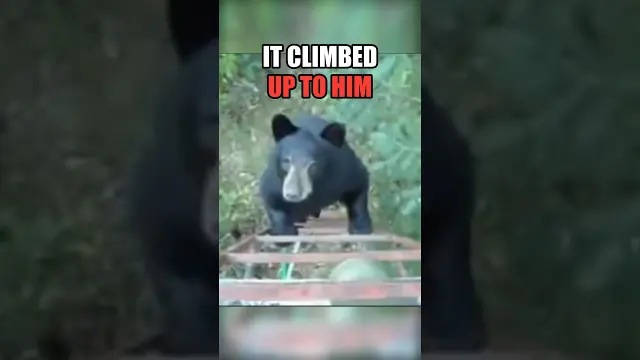
 Four Close Encounters with Bears, Rhinos, and Elephants
#Animal Encounters
7 ideas
Four Close Encounters with Bears, Rhinos, and Elephants
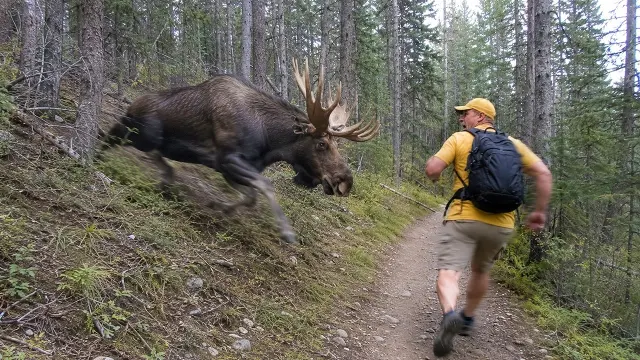 When Wild Animals Get Way Too Close
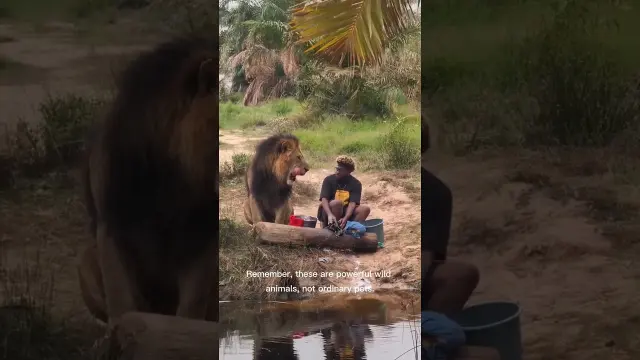 Incredible Lion Encounters in the Wild
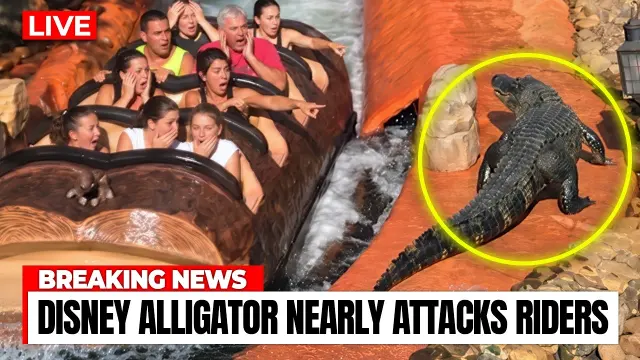 Unusual Animal Encounters and Moments Captured at Disney Parks
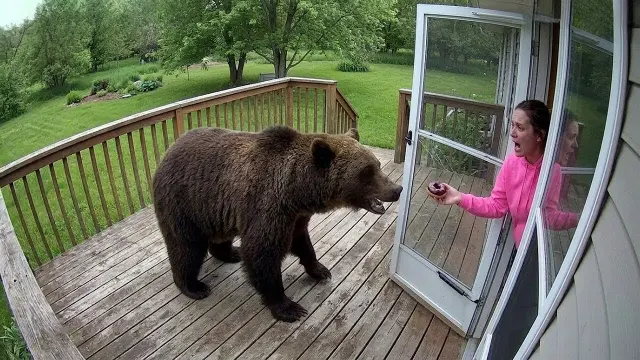 Wild and Potentially Dangerous Animals Displaying Friendly Behavior
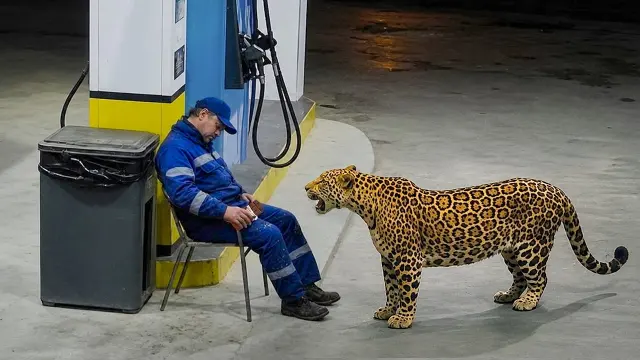 Close Encounters with Wild Animals
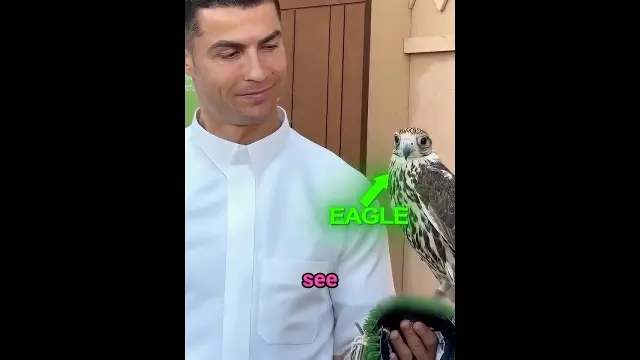 Celebrity and Public Figures Interacting with Wild and Stray Animals
Get new #Animal Encounters ideas by email
Every Thursday: the week's best ideas, with the newest from #Animal Encounters.
Related tags
Animal Encounters: Seeing Wildlife Up Close
What animal encounters are
Animal encounters are experiences that bring you close to animals in a way that lets you observe, learn, and sometimes interact with them. They can happen in the wild, in protected reserves, on farms, in sanctuaries, or in educational settings. The best encounters are built around respect for the animal’s comfort, safety, and natural behaviour.
For many people, an animal encounter is about wonder and connection. It might mean watching birds at dawn, meeting gentle farm animals, joining a guided wildlife walk, or seeing larger animals from a safe distance. The exact experience depends on the species and the setting, but the aim should always be the same: to appreciate animals without disturbing them.
Different kinds of encounters
Read more
Animal encounters come in many forms. Some are passive, like observing animals in their habitat with binoculars or from a vehicle. Others are more hands-on, such as feeding tame animals under supervision, grooming horses, or visiting a petting area. There are also educational encounters, where a guide explains an animal’s habits, diet, and role in its environment.
Wildlife encounters are usually the most memorable, but they also require the most care. In these situations, distance matters. Many wild animals are stressed by noise, sudden movement, or getting too close. A good guide will help you watch quietly and keep the experience calm for both you and the animal.
What beginners should know
If you are new to animal encounters, start with your expectations. Not every meeting will be dramatic or close-up. Sometimes the most meaningful moments are quiet ones: an animal moving naturally, feeding, resting, or caring for its young.
A few simple habits make the experience better:
- Follow the instructions of guides or carers at all times.
- Keep your voice low and your movements slow.
- Do not feed animals unless it is clearly allowed and supervised.
- Avoid touching animals unless the setting is designed for safe contact.
- Give animals space to move away if they want to.
It is also wise to choose places that look after animals responsibly. Signs of good care include clean spaces, calm animals, clear rules, and staff who explain how to behave around them.
Why respectful encounters matter
Respectful animal encounters protect both people and animals. They reduce stress, prevent accidents, and help preserve natural behaviour. They can also teach you a great deal about species you may only see at a distance in everyday life.
When done well, an animal encounter is not about controlling nature. It is about meeting animals on their terms. If you stay patient, observant, and gentle, you are far more likely to have an experience that feels rewarding and memorable.
Videos come from YouTube and posts from Instagram; titles and summaries are our own. All rights belong to their creators.