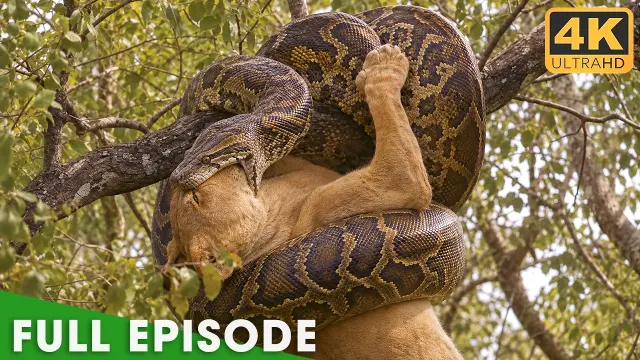
 Exploring Apex Predators and Survival in the Wild
#Animals
34 ideas
Exploring Apex Predators and Survival in the Wild
 Giant St. Bernard offers comfort to a scared shelter dog
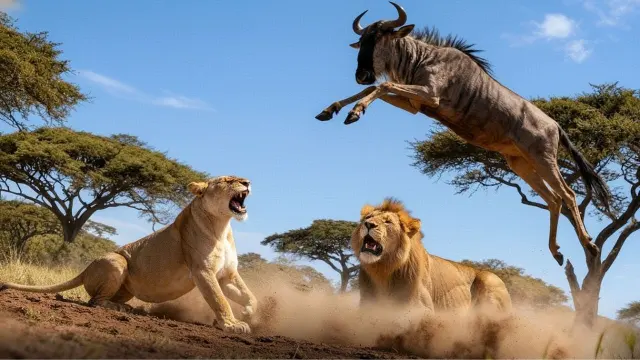 Wildlife Documentary on Survival in Uganda
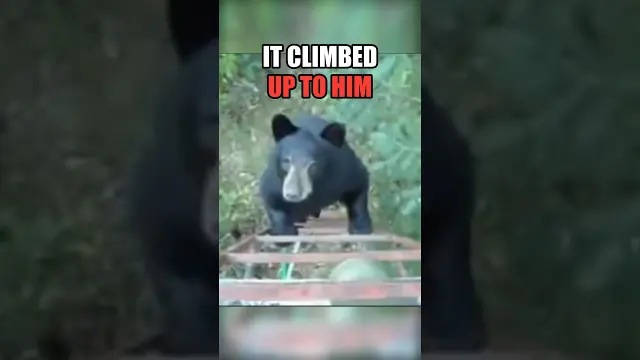 Four Close Encounters with Bears, Rhinos, and Elephants
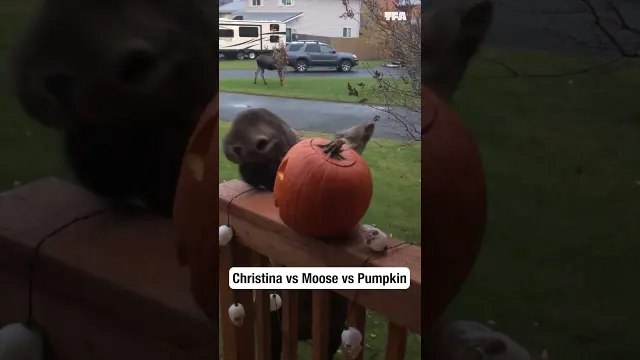 Moose Interrupting and Trying to Take a Pumpkin
 Cute Animal Sounds And Names For Kids Learning
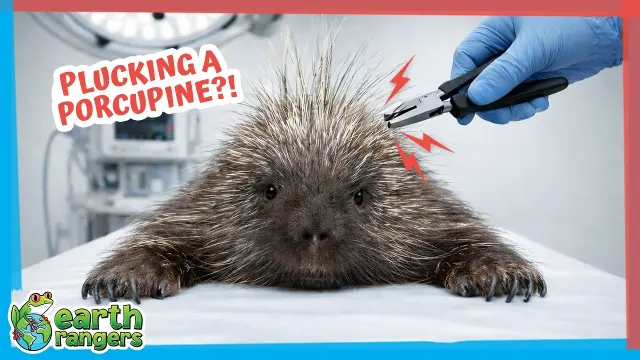 Understanding Why Wildlife Rehabilitators Remove Porcupine Quills
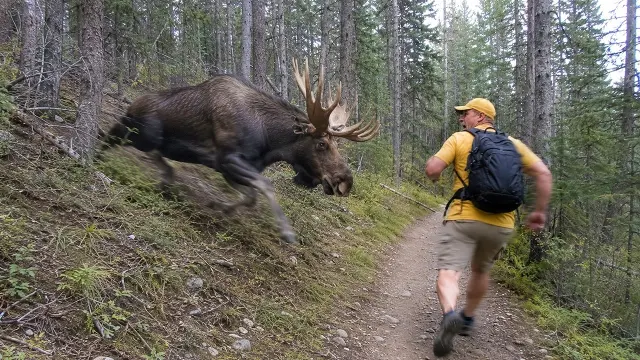 When Wild Animals Get Way Too Close
 Interactive Animal Guessing Game for Kids Learning Pet Names
 Funny Pet Reactions And Wildlife Moments
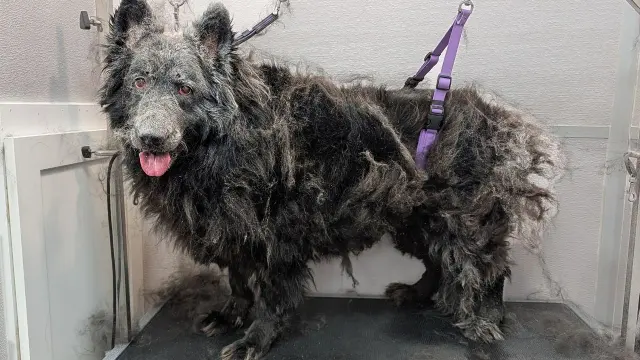 An Incredible Dog Grooming Transformation Process
 Unusual Animal Encounters and Moments Captured at Disney Parks
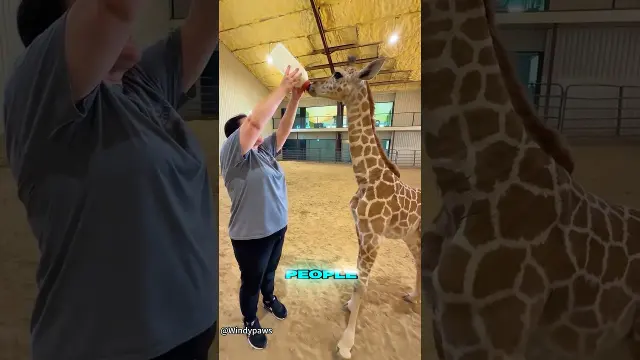 Baby Giraffes Looking Like Toddlers on Stilts
 Setting Up a Cozy Playpen for a New Pet Piglet
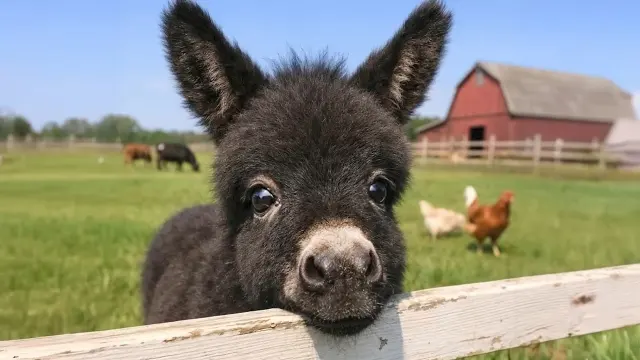 Hilarious Animal Moments And Funny Pet Compilations
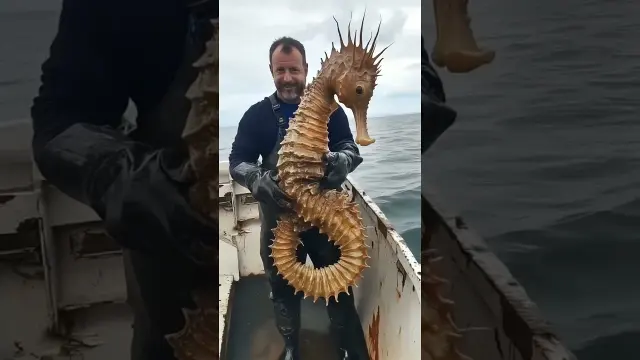 Amazing Animals You Have Never Seen Before
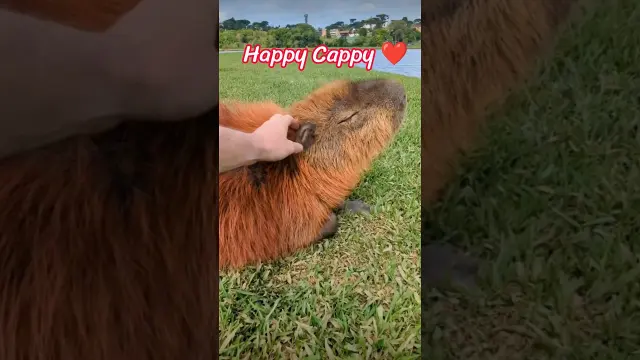 Clips of Wild Animals Acting Friendly
 African Safari Wildlife in 4K Ultra HD
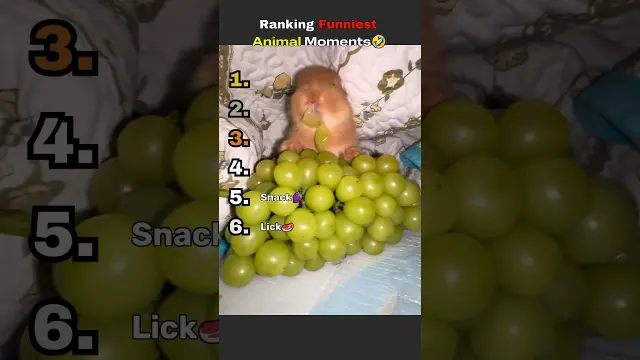 Ranking the Funniest and Most Unexpected Animal Moments
 Ranking the Funniest Animal Moments Featuring a Seal and Monkey
 Four Hours of Remarkable Wildlife Narrated by David Attenborough
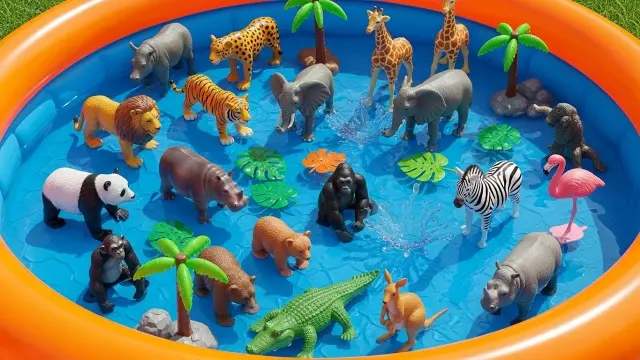 Wild Animals For Kids Learning Safari Species
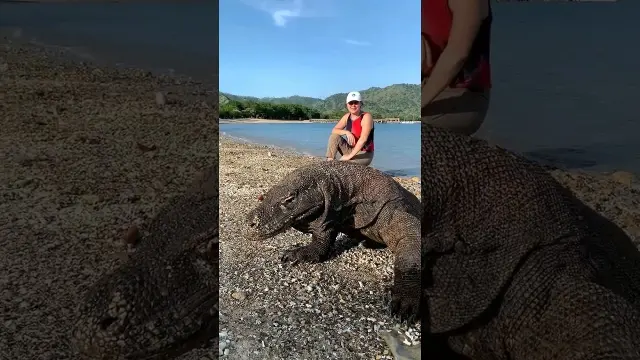 Five Animals That Were Discovered Completely by Accident
 Gentle giant Saint Bernard comforts a scared shelter puppy
Get new #Animals ideas by email
Every Thursday: the week's best ideas, with the newest from #Animals.
Related tags
Animals: Understanding the Living World Around Us
Animals are living creatures that move, feed, grow, and respond to the world around them. They are found almost everywhere on Earth, from gardens and homes to forests, oceans, and deserts. Some animals live alongside people as companions, workers, or farm animals, while others remain wild and depend on their habitats for food, shelter, and safety.
What animals are
In the broadest sense, animals include a huge variety of creatures with different sizes, shapes, and behaviors. They can breathe, reproduce, and sense their environment, and most are able to move at some point in their lives. Because the animal kingdom is so large, it is usually grouped into smaller categories to make it easier to understand.
You may hear about mammals, birds, reptiles, amphibians, fish, and invertebrates. These groups differ in body structure, how they grow, and where they live. For example, mammals usually feed their young with milk, birds have feathers, and many reptiles lay eggs and have scales. Invertebrates, such as insects, spiders, and mollusks, do not have a backbone.
Read more
Wild animals and domestic animals
A useful way to think about animals is to separate them into wild and domestic species. Wild animals live without direct human care and have adapted to survive on their own. They may be shy, territorial, or active at specific times of day. Domestic animals have lived with humans for a long time and depend on people for food, shelter, breeding, or work.
Cats, dogs, horses, sheep, and many other domestic animals have different needs from wild species, but all animals benefit from clean water, appropriate food, safe surroundings, and respectful handling. If you live with animals, it helps to learn their natural behavior so you can understand what is normal for them and what may signal stress or discomfort.
Common ways animals are cared for
Good animal care starts with observation. Notice how an animal eats, moves, rests, and interacts with others. Gentle handling, regular cleaning, and a calm environment can make a big difference. Different species need different diets, space, enrichment, and social contact, so it is important not to assume that one kind of care fits all.
If an animal seems unwell, injured, or unusually quiet, it is best to seek advice from a qualified professional. For wildlife, it is usually safest to keep your distance and contact local animal rescue or wildlife support if needed.
Learning from animals
People have long been fascinated by animals because they are both familiar and mysterious. They play important roles in ecosystems by pollinating flowers, dispersing seeds, controlling pests, and forming food chains. Watching animals can also teach you patience, respect, and attention to detail.
If you are new to the topic, start by noticing the animals around you. Learn their names, habitats, and habits. The more you observe, the more you will see that animals are not a single subject but an entire world of life, behavior, and connection.
Videos come from YouTube and posts from Instagram; titles and summaries are our own. All rights belong to their creators.