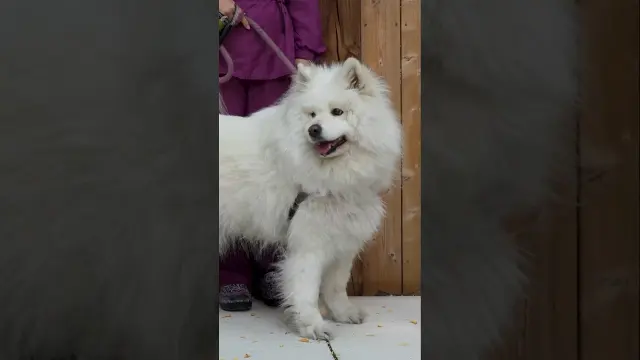
 An Amazing and Insane Dog Grooming Transformation
#Dog Grooming
19 ideas
An Amazing and Insane Dog Grooming Transformation
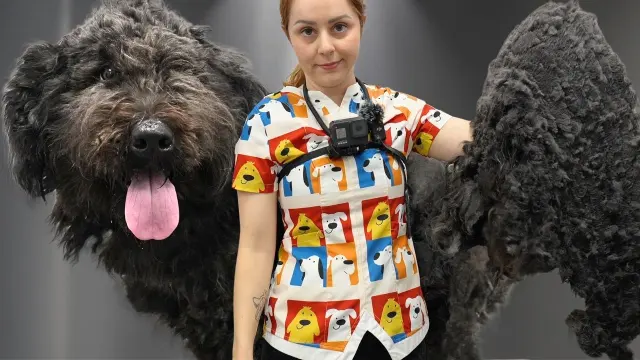 Removing Pounds of Matted Fur From a Dog
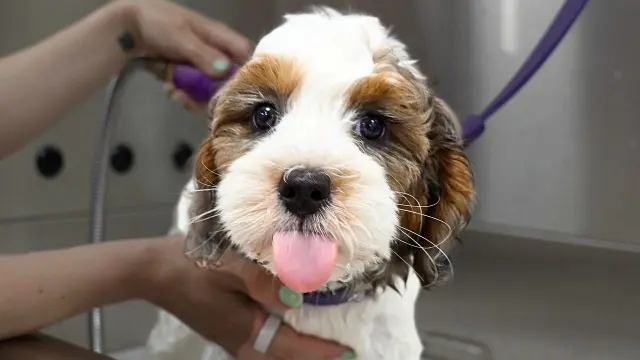 Grooming an Adorable Small Puppy
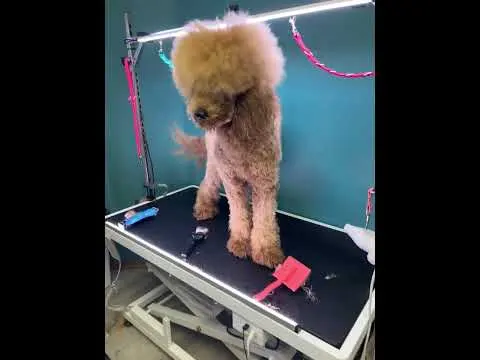 Professional Grooming Makeover for a Matted Poodle
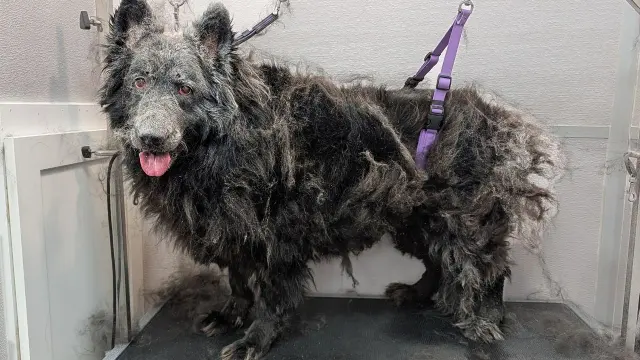 An Incredible Dog Grooming Transformation Process
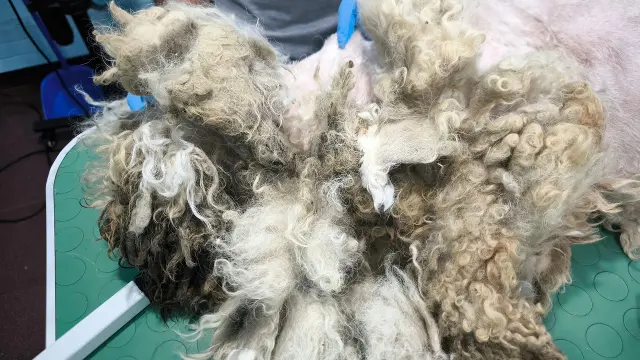 Professional Dog Groomers Freeing Matted Ears
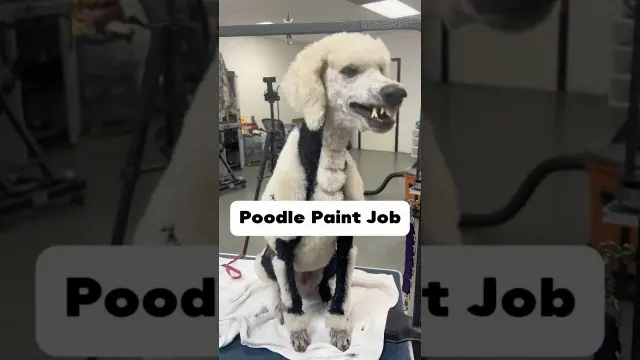 Standard Poodle Creative Hair Coloring and Grooming
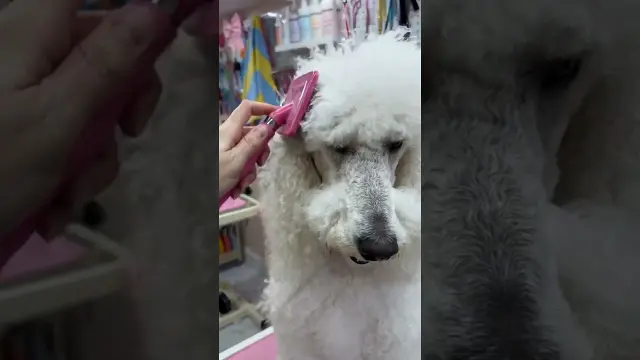 Daily Brushing Routine to Prevent Poodle Matting
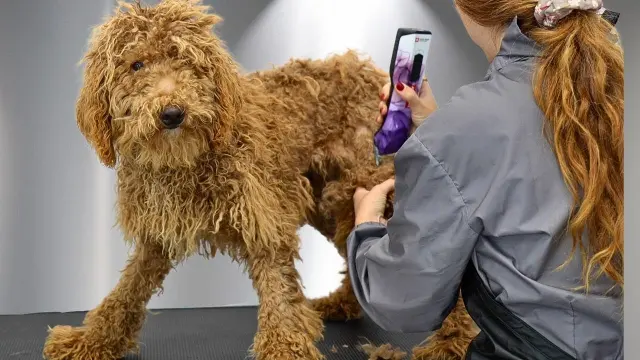 Rescue Poodle Gets Her First Professional Grooming Session
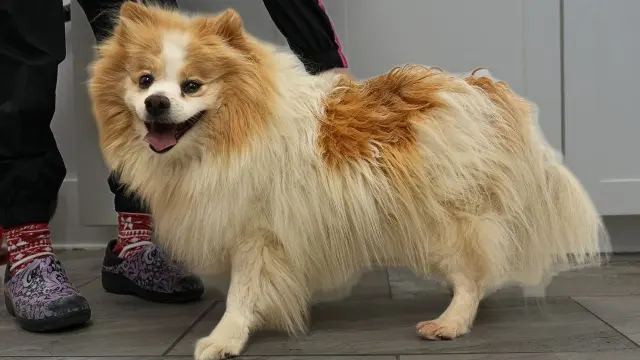 Dramatic Dog Grooming Transformation
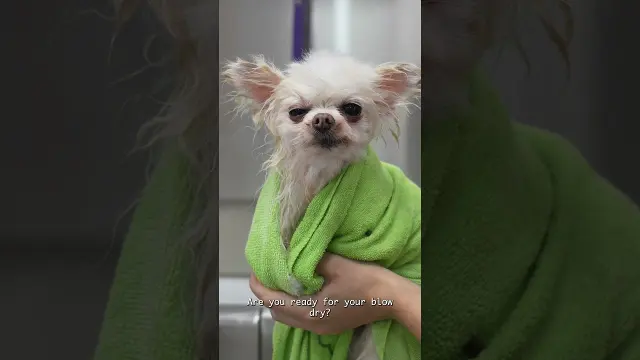 Grooming Session With a Pitiful Pomeranian
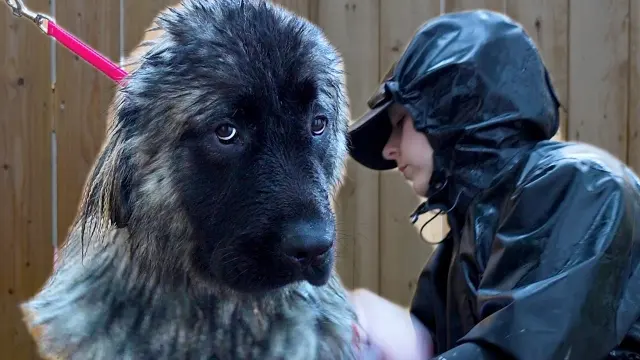 Bathing a Massive Dog Outside
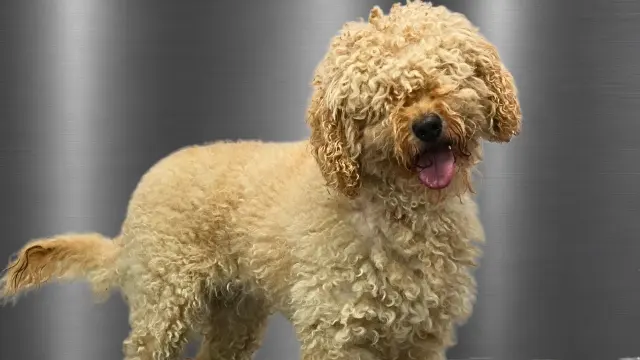 Grooming a Severely Matted Rescue Dog
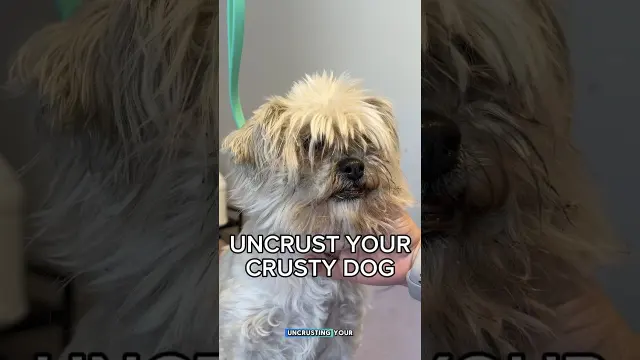 Cleaning and Grooming a Senior Dog
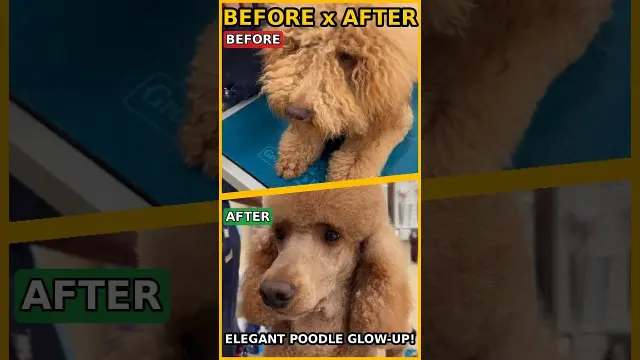 Classic Breed Cut Transformation for an Apricot Poodle
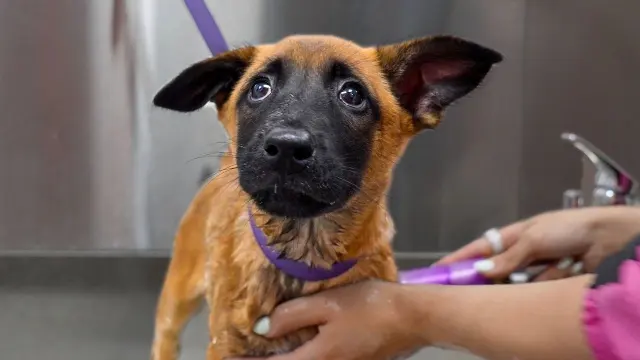 Grooming a Litter of Belgian Malinois Puppies
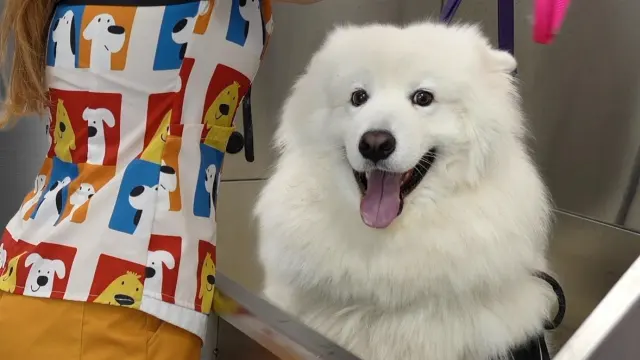 Grooming a Vocal Dog That Argues Back
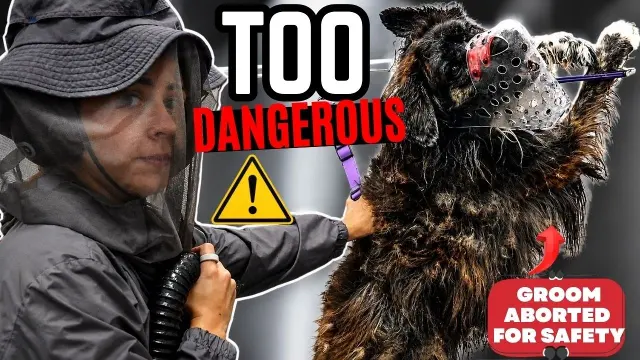 Why a Groomer Had to Stop This Session
 A Satisfying Cleaning and Grooming Transformation for a Dirty Dog
Get new #Dog Grooming ideas by email
Every Thursday: the week's best ideas, with the newest from #Dog Grooming.
Related tags
Dog Grooming Basics and Care Guide
Dog grooming is the regular care of a dog’s coat, skin, nails, ears, and overall cleanliness. It is part of everyday care, not just a way to make a dog look tidy. Good grooming helps you notice tangles, skin irritation, parasites, overgrown nails, and other small problems before they become harder to manage. It also helps your dog stay more comfortable, especially if the coat is long, thick, curly, or sheds heavily.
What dog grooming includes
Grooming can be as simple as brushing at home or as detailed as a full salon visit. In general, it may include:
- Brushing and combing the coat
- Bathing with dog-safe products
- Drying and detangling
- Nail trimming
- Cleaning the ears carefully
- Trimming hair around the paws, face, and sanitary areas
- Checking the skin, coat, and feet for changes
Different dogs need different routines. A short-haired dog may need less brushing but still benefit from regular baths and nail care. A curly-coated or long-coated dog usually needs more frequent brushing to prevent knots and mats.
Read more
Coat types and grooming styles
A dog’s coat often determines the grooming routine. Some coats lie flat and shed naturally, while others grow continuously and need trimming. Thick double coats may need regular brushing to remove loose undercoat. Curly coats can tangle easily if they are not brushed through to the skin. Wire coats and silky coats each have their own care needs too.
Many grooming styles are practical rather than decorative. A “pet trim” usually means the coat is kept neat, even, and easy to maintain. Breed-specific trims may follow traditional patterns, but the best style is the one that suits your dog’s coat, lifestyle, and comfort.
How to get started
If you are new to grooming, begin slowly. Let your dog get used to the tools one at a time. Keep sessions short and calm, and reward relaxed behavior. Brush in the direction of hair growth unless the coat needs gentle lifting to remove tangles. Work carefully through knots rather than pulling at them.
Use a brush or comb that suits the coat type. A slicker brush, pin brush, or metal comb may be useful for certain coats, but the right choice depends on your dog’s hair. If you are unsure, ask a groomer or veterinarian for guidance.
Helpful grooming habits
- Brush regularly so tangles do not build up
- Check behind the ears, under the collar, around the tail, and in the armpits, where mats often form
- Bathe only as often as needed, using a mild dog shampoo
- Dry the coat well after bathing, especially in thick or curly coats
- Trim nails before they become too long to walk comfortably on
- Be gentle around the eyes, ears, and paws
When to ask for help
Some coats are difficult to manage at home, especially if the dog has severe matting, very sensitive skin, or anxiety around handling. In those cases, a professional groomer can help safely and show you a routine to continue at home. If you notice redness, sores, a strong odor, or pain during grooming, stop and seek professional advice.
With patience and regular care, grooming can become a calm part of your dog’s routine. It helps your dog feel clean, comfortable, and cared for, while making it easier for you to keep an eye on their health.
Videos come from YouTube and posts from Instagram; titles and summaries are our own. All rights belong to their creators.