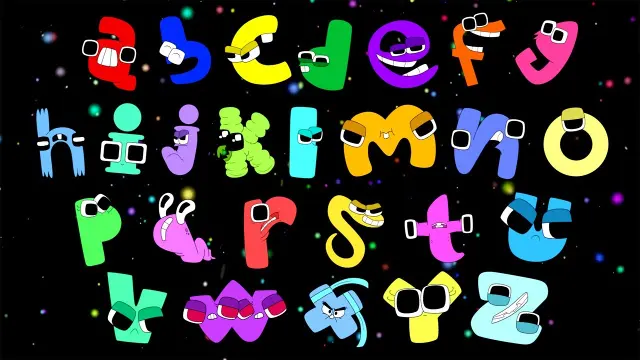
 ABC Song Alphabet Practice with Uppercase and Lowercase Letters
#Kids Learning
17 ideas
ABC Song Alphabet Practice with Uppercase and Lowercase Letters
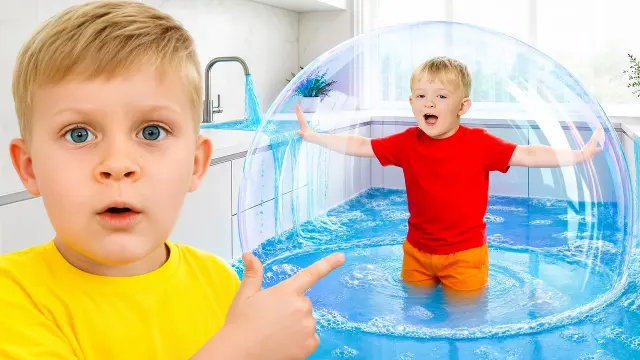 Kids Learn Creative Ways to Save Water
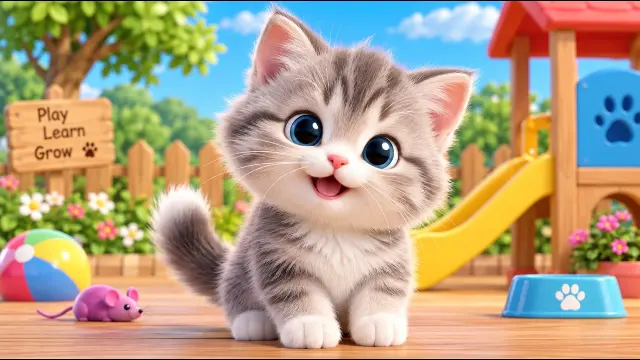 Cute Animal Sounds And Names For Kids Learning
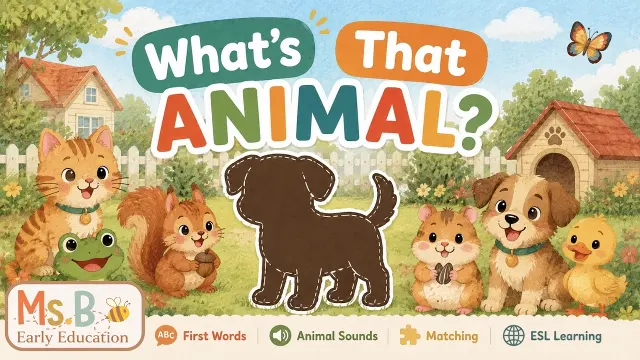 Interactive Animal Guessing Game for Kids Learning Pet Names
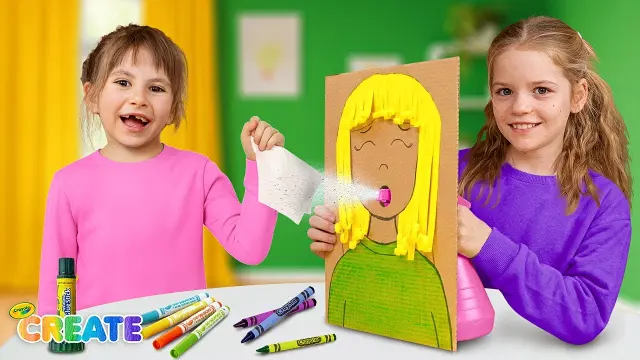 Winter hygiene crafts and learning activities
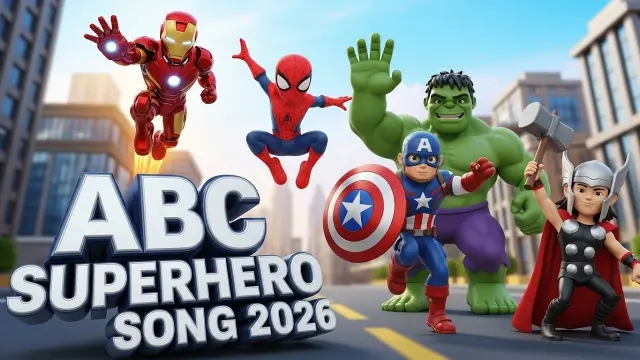 Superhero Alphabet Song for Kids to Learn A to Z
 Learn Ocean Words for Kids with Fun Visuals
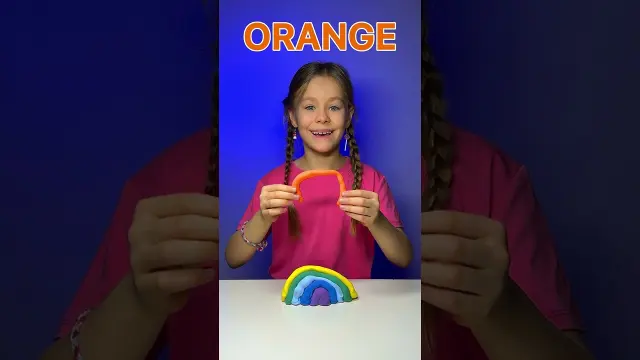 Colors of the Rainbow Learning Challenge for Kids
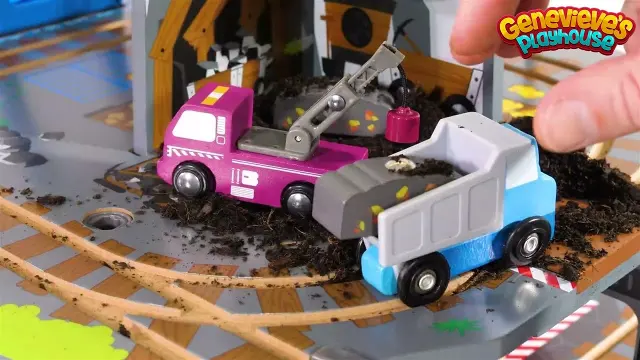 Toy Learning Video for Kids about Community Vehicles
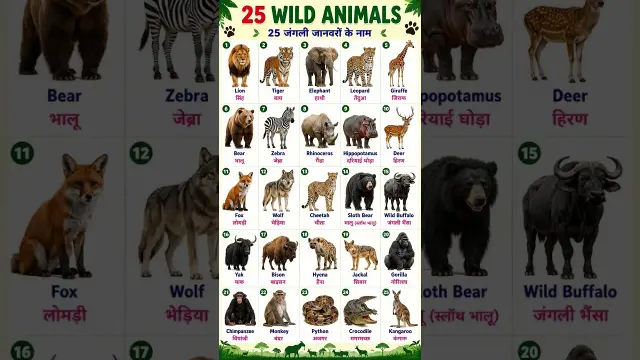 Wild Animal Names in English and Hindi
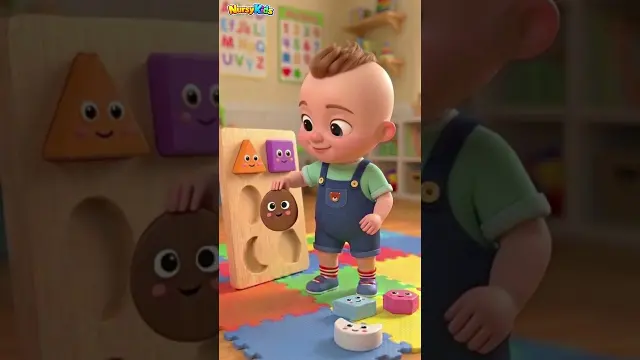 Learn Shapes Cartoon for Toddlers with Wooden Blocks
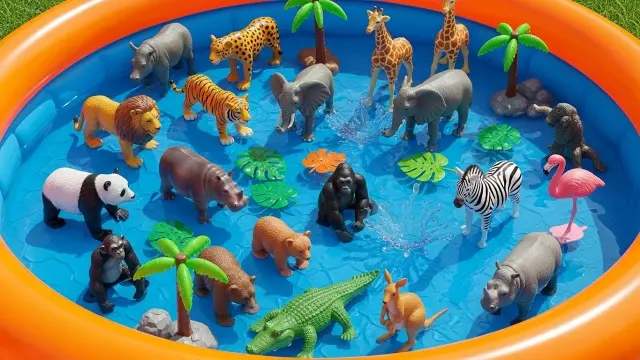 Wild Animals For Kids Learning Safari Species
 Numbers for Toddlers Counting to 10 with Lucas
 Baby Learning First Words and Animal Sounds with Lucas
 Global Animal Sounds And Habitats Musical Adventure
 Baby Learning Video for First Words and Body Parts
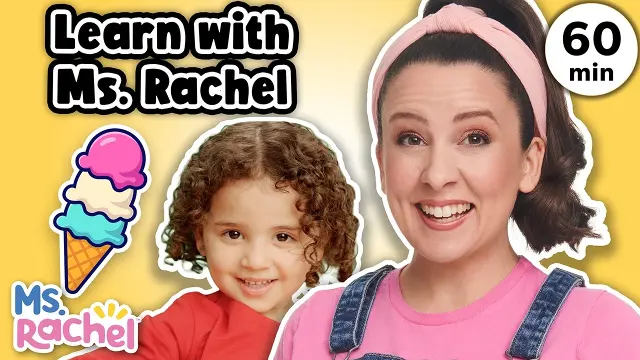 Learn Friendship and Social Skills with Ms Rachel
Get new #Kids Learning ideas by email
Every Thursday: the week's best ideas, with the newest from #Kids Learning.
Related tags
Kids Learning: Playful Ways to Learn and Grow
Kids learn best through a mix of curiosity, repetition, and play. In early childhood, learning is not only about reading and counting. It also includes language, listening, movement, problem-solving, creativity, social skills, and understanding the world. A child may learn by naming animals, matching sounds, sorting objects, singing songs, drawing, asking questions, or copying everyday routines.
What kids learning means
Kids learning is the process of building knowledge and skills in a way that suits a child’s age and attention span. Young children often learn through hands-on activities rather than long explanations. They may remember a concept better when they can see it, touch it, say it out loud, or act it out. That is why simple games, pictures, stories, and everyday conversations are so useful.
Learning for kids can happen anywhere: at home, in a classroom, outdoors, or during ordinary routines. Dressing, tidying, cooking, and shopping can all become learning moments when you talk about colors, shapes, numbers, textures, names, and sequences.
Read more
Main kinds of learning
There are many useful areas of learning for children. Language learning helps with speaking, listening, vocabulary, and storytelling. Early math introduces counting, patterns, size, and comparison. Science learning grows through observing plants, weather, animals, and how things change. Creative learning includes drawing, crafting, music, and pretend play. Practical learning develops fine motor skills, patience, and independence.
Some children prefer visual learning, where they understand best by seeing pictures, cards, or demonstrations. Others learn by listening, moving, singing, or doing things with their hands. In reality, most children use a mix of these styles.
Simple techniques that work
Keep activities short and clear. A young child usually learns more from a few focused minutes than from a long lesson. Repeat ideas often, because repetition helps memory. Use familiar themes such as animals, food, clothes, family, or household objects. These are easier for children to connect with real life.
Ask open questions when you can. For example, instead of only naming an animal, ask what sound it makes, where it lives, or what it eats. This encourages thinking and language at the same time. Songs, rhymes, picture books, and movement games are also helpful because they make learning memorable and enjoyable.
Tips for beginners
If you are guiding a child, start with what already interests them. A child who loves animals may enjoy naming them, copying their sounds, or grouping them by habitat. A child who likes crafts may learn better by cutting, sticking, coloring, and sorting.
Choose one small goal at a time, such as learning a few new words or recognizing simple shapes. Praise effort, not just correct answers. Children need to feel safe making mistakes, because mistakes are part of learning. Try to keep the atmosphere calm and playful rather than pressuring.
Most importantly, make learning part of daily life. When children see learning as natural and enjoyable, they stay curious for longer and build confidence step by step.
Videos come from YouTube and posts from Instagram; titles and summaries are our own. All rights belong to their creators.