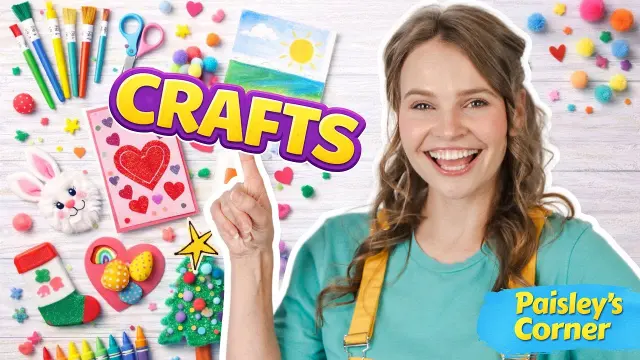
 Holiday arts and crafts learning mix for kids
#Toddler Learning
3 ideas
Holiday arts and crafts learning mix for kids
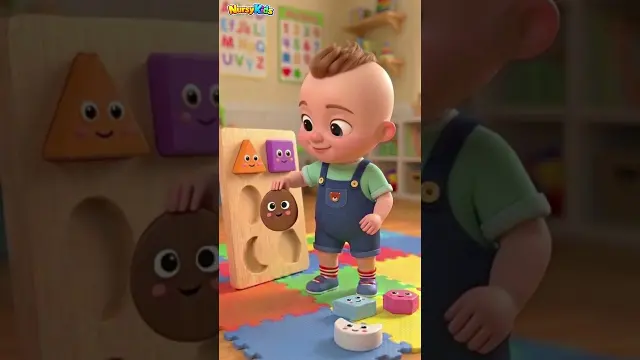 Learn Shapes Cartoon for Toddlers with Wooden Blocks
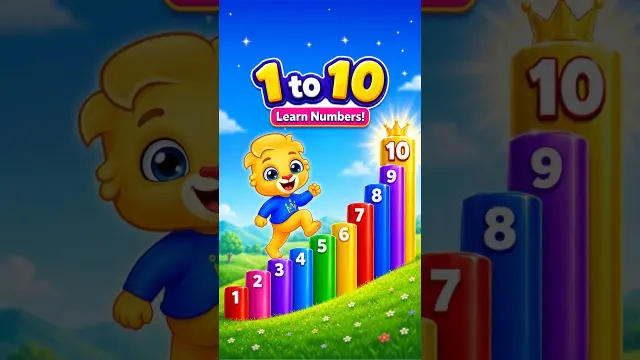 Numbers for Toddlers Counting to 10 with Lucas
Get new #Toddler Learning ideas by email
Every Thursday: the week's best ideas, with the newest from #Toddler Learning.
Related tags
Toddler Learning Ideas and Early Development
What toddler learning means
Toddler learning is the natural way young children discover how the world works between roughly one and three years old. At this stage, children learn through doing: touching, moving, repeating, watching, listening, and copying. A toddler may not sit still for long, but every small action is part of learning, from stacking blocks to naming a spoon or pouring water.
This kind of learning comes from everyday life as much as from planned activities. A toddler learns language by hearing words used in context, social skills by being with others, and problem-solving by trying things out. Curiosity, repetition, and routine all matter. What looks like simple play is often building memory, coordination, attention, and confidence.
Common areas of toddler learning
Read more
Toddlers usually learn in several connected ways:
- Language and communication: understanding words, naming objects, asking for help, and using short phrases
- Motor skills: walking, climbing, grasping, scribbling, and handling small objects
- Thinking skills: sorting, matching, recognizing patterns, and understanding cause and effect
- Social and emotional development: taking turns, expressing feelings, and separating from caregivers with growing confidence
- Sensory learning: exploring textures, sounds, shapes, smells, and movement
Each child develops at their own pace. Some toddlers talk early and move cautiously; others are physically adventurous and slower with speech. Both are normal variations.
Ways to support learning through play
The best toddler learning usually feels playful and simple. You do not need complicated materials. Everyday items often work well because they invite open-ended exploration.
- Read picture books together and point to familiar objects
- Name things during daily routines, like clothes, food, or toys
- Sing songs with actions, rhymes, and repetition
- Offer blocks, cups, nesting toys, crayons, and chunky puzzles
- Let your toddler help with safe tasks, such as stirring, wiping, or putting things away
- Spend time outdoors looking, listening, and moving
- Use simple pretend play, such as feeding a doll or making a toy car “sleep”
Short activities work best. A toddler may focus for only a few minutes, and that is completely fine. Repeating an activity many times often helps learning more than introducing something new too quickly.
Helpful things to keep in mind
Toddlers learn best when they feel safe, calm, and encouraged. Try to offer choices rather than too many instructions, and let your child explore without rushing in too fast. Mistakes are part of the process. Spilled water, crooked towers, and mixed-up shapes are all normal signs of experimentation.
A good learning environment for a toddler is simple, predictable, and flexible. Keep dangerous objects out of reach, choose age-appropriate materials, and stay nearby during new activities. Praise effort more than results, and notice small progress: a new word, a longer attention span, or a successful attempt at fitting two pieces together.
Above all, remember that toddler learning happens all day long. Bath time, mealtimes, walks, and tidying up can be rich learning moments when you slow down and talk, listen, and play together.
Videos come from YouTube and posts from Instagram; titles and summaries are our own. All rights belong to their creators.