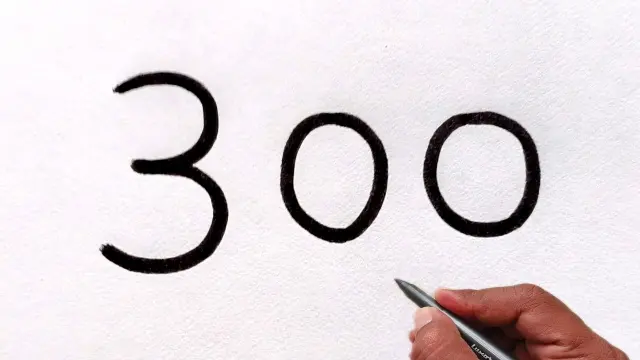
 Creative Number Drawing: Turning Number 300 Into a Cat
#Animal Illustration
1 ideas
Creative Number Drawing: Turning Number 300 Into a Cat
Get new #Animal Illustration ideas by email
Every Thursday: the week's best ideas, with the newest from #Animal Illustration.
Related tags
Animal Illustration Guide
Animal illustration is the art of drawing or painting animals in a way that captures their form, character, and movement. It can be realistic, stylized, playful, or highly decorative. You’ll find it in books, magazines, packaging, scientific art, posters, textiles, and personal artwork. Some illustrations show animals exactly as they appear in nature, while others simplify them into charming shapes, symbols, or characters.
Where animal illustration comes from
People have drawn animals for a very long time, from early cave art to natural history sketches and children’s books. Animals have always been a strong subject because they are familiar, expressive, and full of visual variety. Their fur, feathers, scales, and body structures give an illustrator many ways to explore texture, shape, and movement. In different traditions, animals have also been used in folklore, heraldry, and storytelling, which is why they often carry symbolic meaning as well.
Common styles and approaches
Read more
Animal illustration can take many forms. Realistic illustration focuses on anatomy, proportion, and natural detail. It is often used when accuracy matters, such as in field guides or educational artwork. Stylized illustration simplifies the animal into clear shapes and expressive features. This approach is popular in children’s illustration, surface pattern design, and branding. Cartoon-style animals often exaggerate eyes, limbs, or expressions to create personality. Decorative animal art may use repeated patterns, fine linework, or ornamental backgrounds to make the subject feel elegant or whimsical.
You can also choose between a single animal portrait and a full scene. A portrait emphasizes expression and form, while a scene can show the animal in its environment and help tell a story.
What beginners should know
If you’re new to animal illustration, start by observing real animals carefully. Look at the overall silhouette before worrying about details. A strong outline often makes the drawing feel convincing even when the style is simple. It also helps to break the animal down into basic shapes: circles, ovals, triangles, and cylinders. This makes the body easier to build and adjust.
Pay attention to proportion. The size of the head, legs, tail, ears, and snout changes from one species to another, and those differences are often what make an animal recognizable. Movement matters too. Even a still pose should suggest balance and life.
Practical tips
- Use reference images from more than one angle if you can.
- Watch how the animal stands, sits, walks, or curls up.
- Start with loose sketch lines and refine them gradually.
- Keep an eye on symmetry, but don’t make every side too perfect.
- Add texture only where it helps the image feel clear and alive.
- Decide early whether you want realism, simplicity, or personality, and keep that choice consistent.
Animal illustration is a flexible subject that rewards observation and practice. The more you study animals, the easier it becomes to capture their unique shapes and energy in your own way.
#Animal Illustration: frequently asked questions
How do I start learning animal illustration if I've never drawn animals before?
Begin by observing real animals rather than copying other drawings — watch how they stand, sit, and move, and study the same animal from more than one angle. Before adding any detail, capture the overall silhouette and break the body into simple shapes like circles, ovals, and triangles. Once the outline and proportions feel right, refine gradually with looser sketches turning into cleaner lines.
What supplies do I actually need to begin?
You can start with very little: a pencil for loose sketching, paper, and something to erase with, plus a source of reference images. As you get more comfortable, add a finer liner for detail and texture work, or move to color with whatever medium you enjoy. The tools matter far less than regular observation, so don't wait to assemble a full kit before drawing.
Which style of animal illustration should I choose?
It depends on what the image needs to do: realistic work suits field guides and educational art where accuracy matters, while stylized or simplified shapes work well for children's books, patterns, and branding. Cartoon-style animals lean on exaggerated eyes and expressions for personality, and decorative approaches use linework and ornament for an elegant feel. Pick one direction early and keep it consistent through the whole piece.
How do I make my animal drawings look convincing rather than stiff?
Proportion is what makes a species recognizable — the relative size of the head, ears, snout, legs, and tail changes from one animal to another, so check those relationships carefully. Balance and movement matter as well, since even a still pose should suggest life and weight. Keep symmetry in mind but avoid making both sides perfectly identical, which tends to read as flat.
What are common mistakes beginners make with animal illustration?
Jumping into fur, feathers, or scales before the underlying shape is solid is the most frequent one — texture can't rescue a weak outline or wrong proportions. Another is working from a single reference photo, which hides how the body actually fits together. Adding detail everywhere instead of only where it clarifies the form is also worth avoiding.
What kinds of projects or occasions suit animal illustration?
Animal illustration fits books and magazines, packaging, posters, textiles, and personal artwork, so it works for both commercial and gift-making purposes. A single animal portrait is ideal when you want to focus on character and expression, while a fuller scene showing the animal in its environment tells a story. Themes like a new baby, a pet portrait, or a seasonal card are natural occasions to try one.
Videos come from YouTube and posts from Instagram; titles and summaries are our own. All rights belong to their creators.