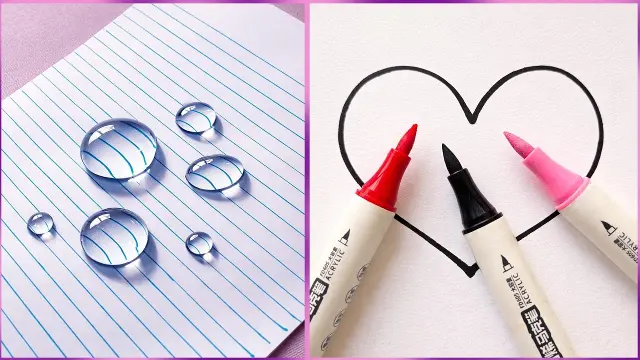
 Easy Creative Art Hacks and Painting Ideas for Beginners
#Creative Drawing
13 ideas
Easy Creative Art Hacks and Painting Ideas for Beginners
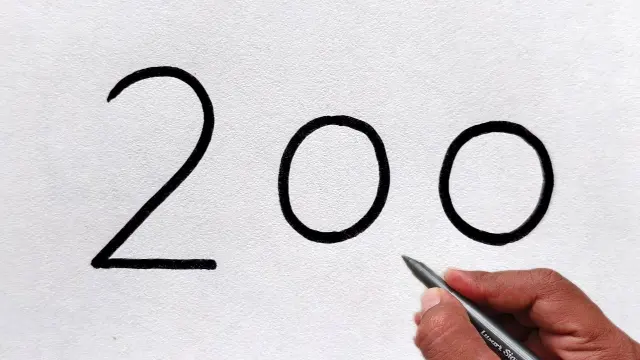 Creative Number Art: Turning Number 200 Into a Parrot
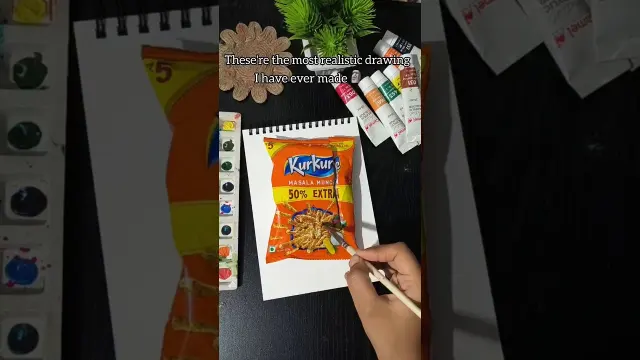 Hyperrealistic Drawings That Look Just Like Real Objects
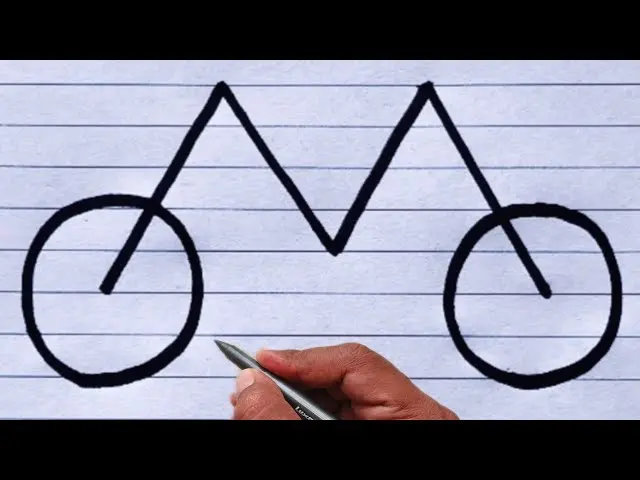 Clever Drawing Trick: Transforming Letter M Into a Bicycle
 Inspiring Sketchbook Layouts and Creative Drawing Concepts
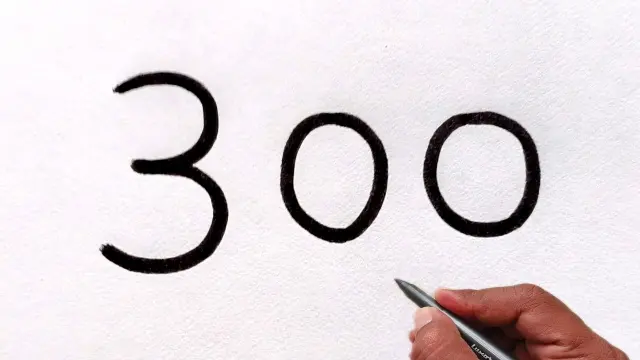 Creative Number Drawing: Turning Number 300 Into a Cat
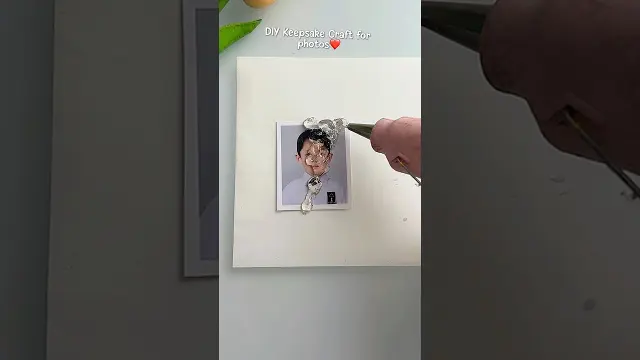 Step by Step Pencil Drawing Tutorial of a Face
 Quick Finger Drawing Trick for Beginners and Kids
 Creative Drawing Hacks and Easy Art Ideas to Try
 Aesthetic Drawing Ideas and Cute Sketchbook Inspiration
 How to Overcome Creative Block and Find Art Ideas
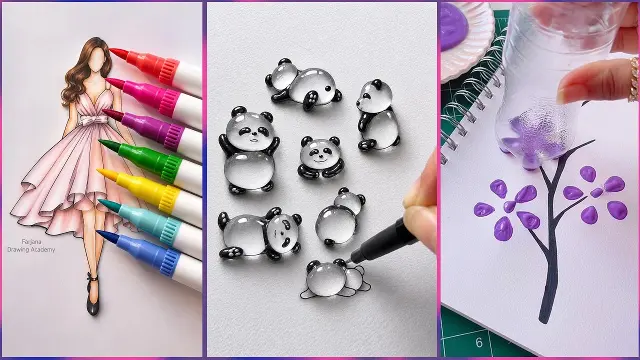 Twelve Easy Painting Hacks and Art Ideas for Beginners
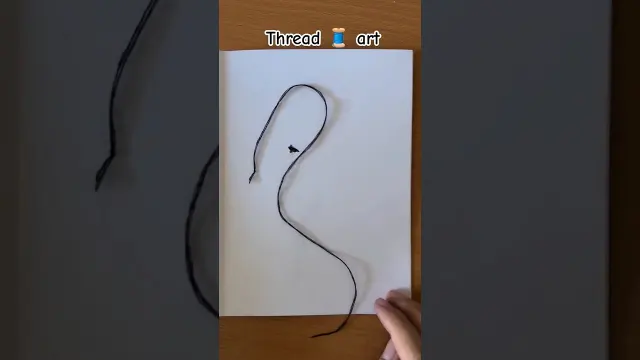 Creative Dragon Drawing Using Thread
Get new #Creative Drawing ideas by email
Every Thursday: the week's best ideas, with the newest from #Creative Drawing.
Related tags
Creative Drawing Ideas and Techniques
What creative drawing means
Creative drawing is drawing with imagination, curiosity, and freedom rather than trying only to copy what you see. It can include realistic sketching, stylised illustration, fantasy scenes, abstract marks, mixed media, and visual storytelling. At its core, it is about using lines, shapes, shading, and composition to express an idea, a feeling, or a world of your own.
People have drawn creatively for centuries, from cave markings and early symbols to sketchbooks, illustration, comics, and contemporary art. Today, creative drawing is used for personal expression, learning, planning, decorating, and communicating ideas. You do not need to be “naturally talented” to begin. Like any visual skill, it grows with practice.
Main kinds of creative drawing
Read more
Creative drawing can take many forms:
- Sketching: loose, quick drawings that capture an idea or observation
- Illustration: images made to tell a story, explain a concept, or support text
- Character drawing: inventing people, animals, or creatures with personality
- Pattern and decorative drawing: repeating shapes, borders, motifs, and ornament
- Abstract drawing: using line, texture, and shape without a literal subject
- Mixed-media drawing: combining pencil, pen, paint, collage, or found materials
Each style offers something different. Realistic drawing helps you study form and proportion. Loose sketching encourages confidence. Decorative and abstract work gives you more room to experiment.
Techniques that help you get started
If you are new to creative drawing, begin with simple building blocks. Shapes are the foundation of many drawings. Circles, squares, triangles, ovals, and cylinders can be combined into figures, objects, and scenes. Once the structure feels clear, you can add details, texture, and expression.
Try these techniques:
- Line variation: press lightly or firmly to create energy and depth
- Shading: use tone to suggest light, shadow, and volume
- Hatching and cross-hatching: build texture with repeated lines
- Gesture drawing: make quick sketches to capture movement
- Layering: develop a drawing gradually instead of trying to finish it at once
- Alteration: change scale, proportion, or setting to make an ordinary subject more imaginative
A useful habit is to keep a sketchbook. A sketchbook gives you a space to test ideas without pressure. You can draw from life, memory, dreams, photographs, or pure invention.
Practical tips for beginners
Start with subjects you enjoy. Flowers, hands, animals, rooms, faces, or objects from everyday life can all become creative drawings. If a subject feels difficult, simplify it first and then add detail later.
You may also find it helpful to ask yourself a few questions before you begin:
- What feeling do I want the drawing to have?
- Do I want it to look realistic, playful, dramatic, or abstract?
- What shapes and lines fit that mood?
- What can I leave out to make the drawing clearer?
Do not worry if your first ideas look rough. Many creative drawings begin as unfinished marks and change as you work. Allow mistakes to become part of the process. Unexpected lines, smudges, and overlaps can lead to interesting results.
Building your own style
A strong drawing style often comes from repeated practice, not from forcing a certain look. Pay attention to the marks you enjoy making, the subjects you return to, and the way you naturally simplify forms. Over time, you will notice patterns in your work.
Creative drawing is most rewarding when you stay curious. Try combining observation with imagination, structure with freedom, and planning with spontaneity. That balance is what makes a drawing feel personal and alive.
#Creative Drawing: frequently asked questions
How do I start creative drawing if I have never drawn before?
Begin with simple shapes such as circles, ovals, and triangles, then build them into objects, figures, or scenes before adding detail. Keep a sketchbook where you can experiment without pressure, drawing from life, memory, or imagination. Skill grows through regular practice rather than natural talent, so short frequent sessions work better than occasional long ones.
What supplies do I actually need to begin?
A pencil, an eraser, and a sketchbook are enough to start, and you can add pens, coloured pencils, or paint later as your interests develop. What matters more than the materials is a surface you are comfortable making marks on. Many strong drawings come from simple tools used with confidence.
Which kind of creative drawing should I choose?
It depends on what you want from the drawing: realistic work helps you study form and proportion, loose sketching builds confidence, and abstract or decorative drawing leaves more room to experiment. Character and illustration work suit people who enjoy stories and invented worlds. Try several styles in the same sketchbook before settling on one.
How can I come up with drawing ideas when I feel stuck?
Start from a subject you already enjoy, such as flowers, faces, animals, or everyday objects, and simplify it before adding detail. Small prompts help too, like turning a letter or a number into an animal or an object, or changing the scale and setting of something ordinary. Asking yourself what mood you want the picture to have often unlocks a direction.
What are common mistakes beginners make?
The most common is trying to finish a drawing in one pass instead of layering it gradually from structure to detail. Another is avoiding difficult subjects entirely rather than simplifying them first. Treating smudges, overlaps, and rough starts as mistakes to erase holds people back, when those marks often lead to the most interesting results.
How do I develop my own drawing style?
Style comes from repetition rather than from forcing a particular look. Notice which marks you enjoy making, which subjects you keep returning to, and how you naturally simplify forms, then lean into those habits. Over time the patterns in your own work become recognisable as a style.
Videos come from YouTube and posts from Instagram; titles and summaries are our own. All rights belong to their creators.