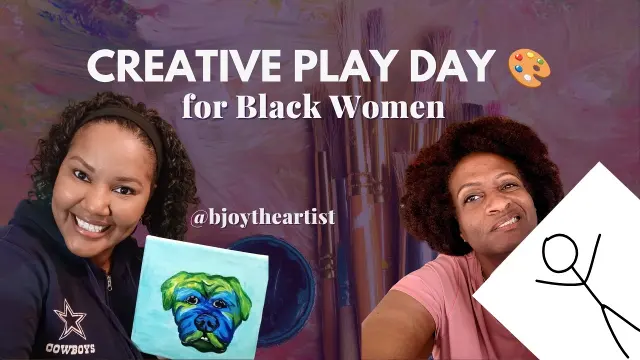
 Creative Play Day and Mixed Media Art Session
#Mixed Media
3 ideas
Creative Play Day and Mixed Media Art Session
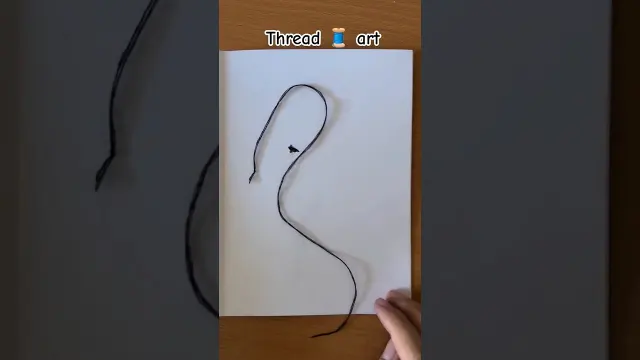 Creative Dragon Drawing Using Thread
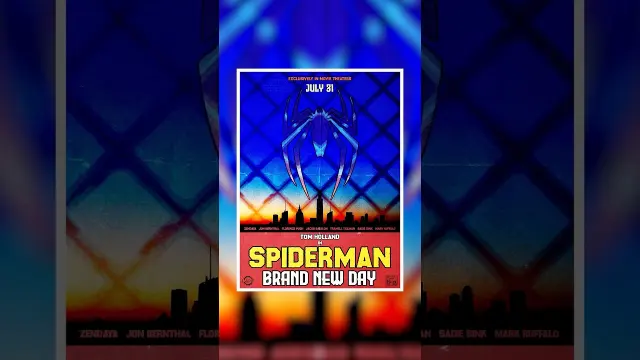 Spider-Man Mixed Media Poster Design Process
Get new #Mixed Media ideas by email
Every Thursday: the week's best ideas, with the newest from #Mixed Media.
Related tags
Mixed Media Art: A Beginner's Guide
Mixed media simply means making art with more than one material. A watercolour painting stays watercolour, and a collage stays paper; a mixed media piece deliberately puts them together, so that paint sits over torn paper, stitching runs through fabric, ink is drawn across a photograph, or a found object is fixed to a board. The term describes an approach rather than a style, which is why mixed media work can look like almost anything. What ties it together is the decision to let different materials speak to each other in the same piece.
Where it comes from
Combining materials is older than the name for it. Collage, scrapbooking, assemblage and textile traditions all grew from the simple habit of keeping and reusing what was at hand. Artists brought these practices into fine art across the last century, and the label "mixed media" became a practical way for galleries and competitions to describe work that did not fit a single category. Today it is a broad umbrella that covers everything from a sketchbook page with three materials on it to a large gallery installation.
Main approaches
Read more
- Collage and montage: cut or torn paper, photographs, printed text and fabric glued to a surface, sometimes painted over.
- Painting and drawing combined: acrylic, gouache or watercolour layered with graphite, ink, pastel or coloured pencil, each medium used where it works best.
- Textile and fibre work: fabric, thread and embroidery joined with paint or paper, giving surface texture that flat media cannot.
- Assemblage: three-dimensional pieces built from wood, metal, clay and found objects, often mounted in a box or frame.
- Digital mixed media: scanned textures, photographs and hand-drawn elements layered in software, either as finished work or as a study for a physical piece.
What beginners should know
The first thing to learn is how materials behave together. Water-based and oil-based products generally do not sit comfortably on top of each other without preparation, so read labels and test on scrap before committing. A rigid substrate such as board or stretched canvas tolerates heavy layers better than thin paper, and a primer or gesso coat gives paint and glue something to grip.
Adhesive matters more than beginners expect. Different papers, fabrics and metals need different glues, and a heavy element needs a stronger bond than a thin one. Test a small piece, let it dry fully, then check whether it holds and whether it stains or buckles.
Practical tips
- Work in layers and let each one dry completely before adding the next; most muddiness in mixed media comes from impatience.
- Keep a sketchbook for experiments with no intention of finishing anything.
- Gather materials before you start, so the piece can develop without interruption.
- Seal the finished surface if it will be handled, framed without glass or hung in daylight, choosing a product suited to the materials you used.
- Stop earlier than you think you should — overworked surfaces lose the freshness that mixed materials give.
Mixed media rewards curiosity more than technical perfection. You do not need a full studio; a few materials, a sturdy surface and the willingness to try combinations are enough to begin.
#Mixed Media: frequently asked questions
How do I get started with mixed media art as a beginner?
Start with a simple surface, a few materials, and a clear idea for what you want to try. Begin by layering materials that behave well together, like paper, paint, pencil, or thread, and test each combination on scrap before working on your final piece.
What materials do I need for mixed media art?
You can begin with basic supplies such as paper, glue, paint, drawing tools, and a sturdy base like board or canvas. Many mixed media pieces also use fabric, photographs, ink, stitching, or found objects, depending on the effect you want.
Which type of mixed media should I choose for my project?
Choose the approach that matches the look you want and the materials you enjoy using. Collage works well for paper and photos, painting and drawing suit layered surfaces, textile methods add texture, assemblage creates dimensional pieces, and digital mixed media is useful if you want to build or plan with layers on a screen.
What are some good mixed media ideas for a themed project or gift?
Mixed media works well for playful artwork, character posters, seasonal pieces, and expressive illustrations. A creative play day project, a superhero poster, or a textured animal drawing can all be adapted with paper, paint, thread, and other layered materials.
What are the most common mistakes to avoid in mixed media art?
A common mistake is rushing through layers before they dry, which can make the surface muddy or weak. Another is using materials that do not bond well together or choosing a surface that is too thin for the weight of the piece.
How do I care for or finish a mixed media piece?
Let the artwork dry fully and seal it if it will be handled often, framed without glass, or displayed in bright light. Store it carefully away from moisture and use a finish that suits the materials you included so the surface stays stable.
Videos come from YouTube and posts from Instagram; titles and summaries are our own. All rights belong to their creators.