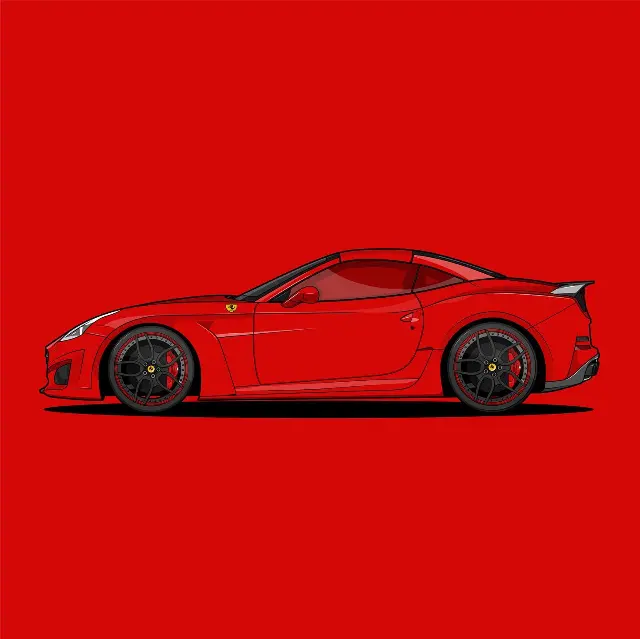
 Digital Vector Illustration of a Vehicle
#Digital Art
11 ideas
Digital Vector Illustration of a Vehicle
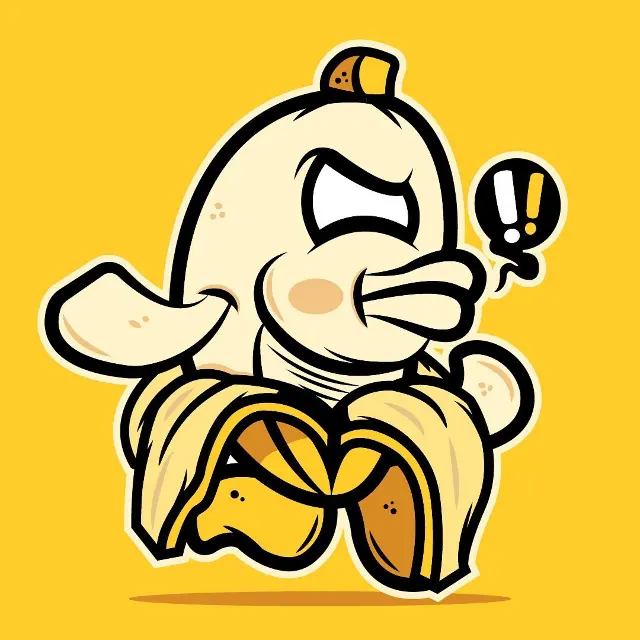 Banana Fish Die-Cut Sticker Vector Design
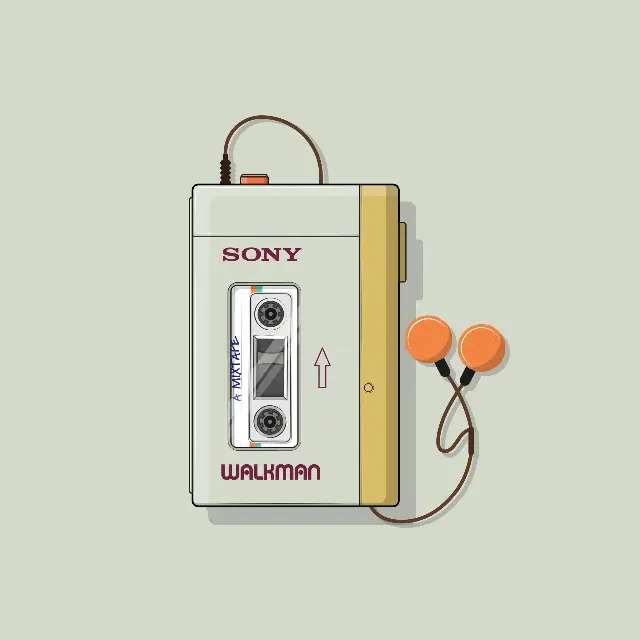 Sci-Fi Short Stories Flat Vector Illustrations
 Fish and Grapes Die-Cut Sticker Vector Art
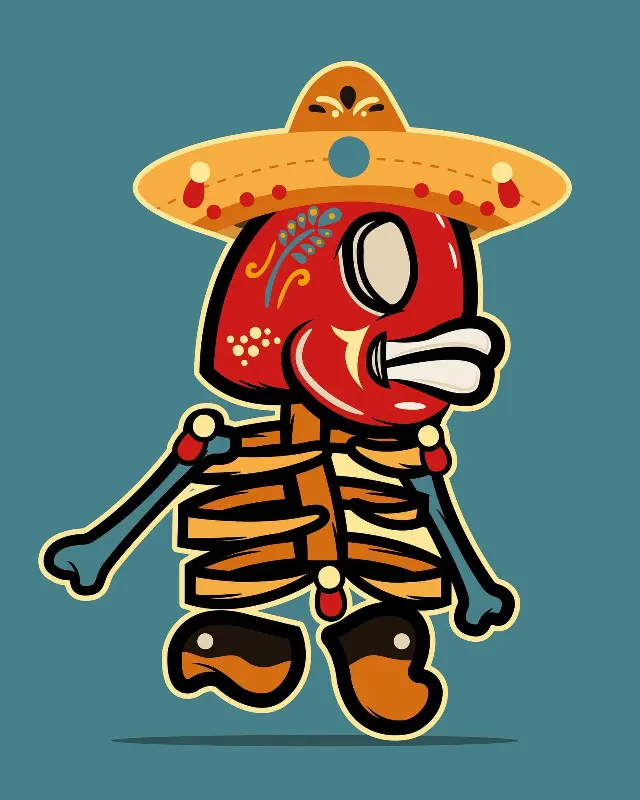 Mexican Invasion Inspired Skull and Fish Vector Art
 Classic Mascot Vector Character Art Design
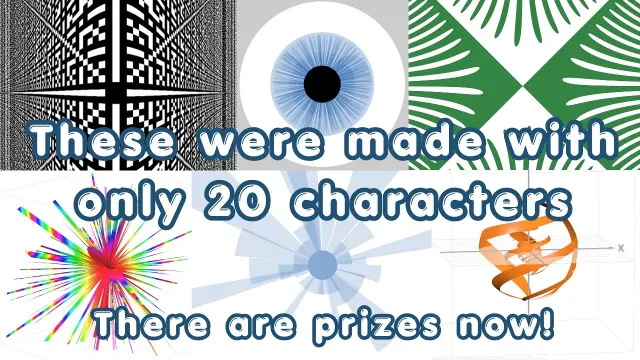 Creating Impressive Mathematical Art with Desmos Graphing
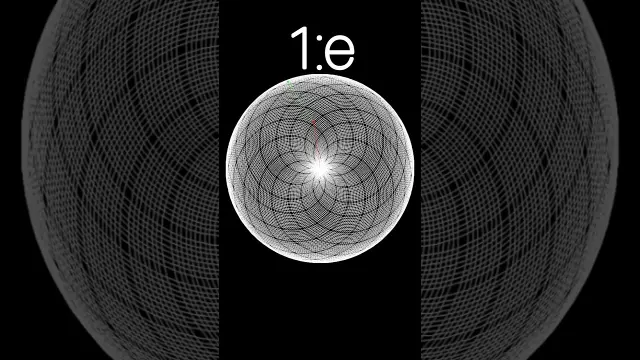 Generative Math Art Exploration
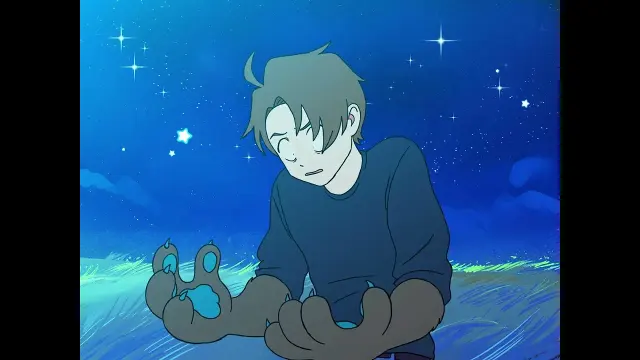 Animated Kaiju Wolf Character Transformation
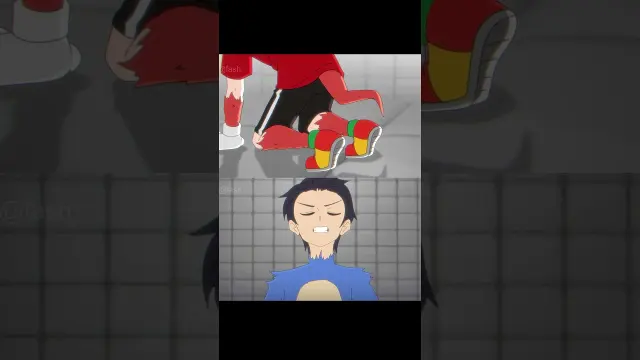 Knuckles Animated Character Transformation
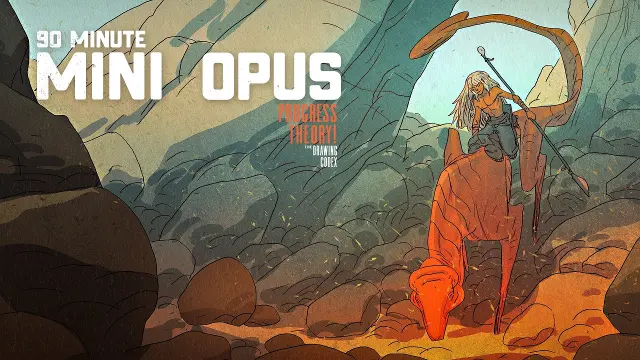 How to Improve Illustration Skills Fast with Real Time Demo
Get new #Digital Art ideas by email
Every Thursday: the week's best ideas, with the newest from #Digital Art.
Related tags
Digital Art Guide
What digital art is
Digital art is artwork made with digital tools rather than only with traditional materials such as pencil, paint, or paper. It can include drawings, paintings, photo-based compositions, 3D work, and mixed media pieces created on a screen. What makes it distinct is not just the tool, but the way the image is built, edited, and refined in a digital space.
People use digital art for illustration, concept work, comics, portraits, posters, animation, and personal creative expression. It can be highly polished or intentionally rough and expressive. Because the process is flexible, you can experiment, undo changes, and try different versions without starting over.
Where it comes from
Read more
Digital art grew alongside computers, graphic software, and drawing tablets. Early work often used simple tools and limited color, but over time the field expanded into many creative forms. Today, digital art sits between traditional art and design, and many artists move between both worlds.
Although the tools are modern, the creative foundations are familiar: composition, light, color, shape, value, and perspective. If you already know some traditional art basics, those skills transfer well. If you are new, digital tools can still make learning feel less intimidating because mistakes are easier to correct.
Main styles and approaches
Digital art covers a wide range of looks and methods. Some common approaches include:
- Digital painting, which tries to imitate brushstrokes, paint blending, and layered color
- Vector art, which uses clean shapes and lines that stay sharp at any size
- Photo manipulation, which combines photographs and edits them into a new image
- Pixel art, which uses visible squares and a limited resolution for a retro look
- 3D art, which builds objects and scenes in a virtual space
- Mixed media work, which combines several digital and traditional techniques
Each style has its own feel, but many artists mix them. You might sketch in a loose way, paint over it, then finish with clean lines or texture.
Techniques that matter
A useful digital workflow often starts with a rough sketch, followed by cleaner line work or broader shapes, then color, shading, and final adjustments. Layers are one of the most helpful features in digital art because they let you separate parts of the image and edit them more easily.
Beginners often benefit from learning a few core habits:
- Start with simple shapes before adding detail
- Work from big forms to small details
- Use reference images when drawing real objects, faces, or scenes
- Check your values as well as your colors
- Save versions as you go so you can compare progress
It also helps to learn how your brush, eraser, selection, and transform tools behave. Even a simple toolset can produce strong work if you understand it well.
Practical tips for beginners
If you are just starting, focus on drawing regularly rather than mastering every feature at once. Keep your first goals small: a sketch, a study of an object, or a simple character pose. Try not to judge your work only by polish; clarity, proportion, and idea are important too.
Choose one style to explore first, but stay open to experimenting. Digital art rewards curiosity. You can test color palettes, try different brush textures, and practice editing without fear of ruining the whole piece.
Most of all, remember that digital art is still art. The software is only a set of tools. Your eye, patience, and practice are what bring the image to life.
Videos come from YouTube and posts from Instagram; titles and summaries are our own. All rights belong to their creators.