 Inspiring Makeover Journey of a Young Woman
#Transformations
11 ideas
Inspiring Makeover Journey of a Young Woman
 Creative Celebrity Halloween Costume Transformations
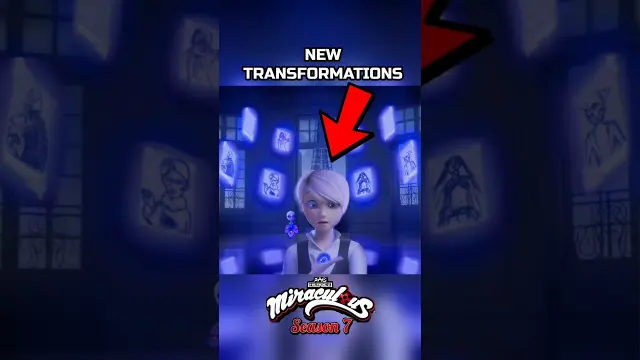 New Hero Transformations in Season Seven
 Creative Haircut and Color Transformations
 Long Hair to Messy Fringe Fade Haircut
 Animated Kaiju Wolf Character Transformation
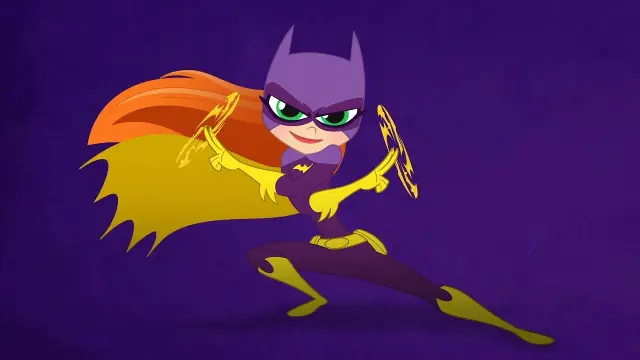 DC Superhero Girls Character Transformations
 Knuckles Animated Character Transformation
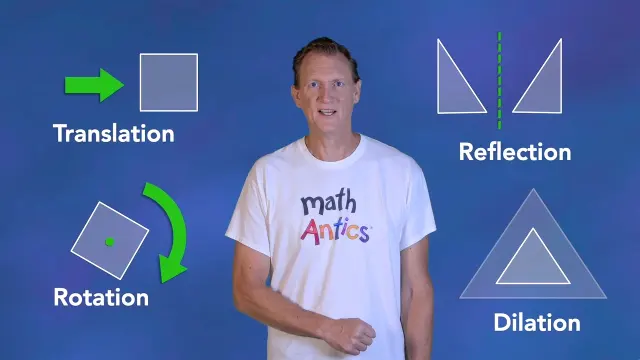 Geometric Transformations Explained Simply
 Ranking Wild Peekaboo Hair Transformations
 Ranking Popular Halloween Costume Transformations
Get new #Transformations ideas by email
Every Thursday: the week's best ideas, with the newest from #Transformations.
Related tags
Transformations in Geometry and Design
Transformations are changes made to a shape, image, or object that alter its position, size, or orientation. In geometry, they are a central way of describing how one figure can become another while keeping certain properties the same. They appear in school mathematics, technical drawing, pattern making, art, animation, and many forms of design.
What transformations are
In simple terms, a transformation moves or changes a figure according to a rule. Some transformations preserve shape and size, while others change scale. The most common ones are translation, rotation, reflection, and enlargement. Together, they help you understand symmetry, movement, and structure.
A transformation can be used to compare two shapes, describe a pattern, or create repeated designs. It is also a useful way to think about real-world movement, such as turning, sliding, or flipping an object.
Read more
Main types of transformations
- Translation: the shape slides from one place to another without turning or flipping.
- Rotation: the shape turns around a fixed point.
- Reflection: the shape is mirrored across a line.
- Enlargement: the shape becomes bigger or smaller while keeping its proportions.
Some materials also include combinations of these, where two or more transformations are applied in sequence. This is common in pattern work and more advanced geometry.
What stays the same
One of the most important ideas is whether a transformation preserves length, angle, or shape. Translation, rotation, and reflection keep the shape exactly the same size and form. Enlargement changes size, but keeps the shape proportional.
When you learn transformations, look carefully at:
- Position
- Orientation
- Size
- Symmetry
- Congruence or similarity
These ideas help you describe exactly what has changed and what has stayed the same.
How to understand them well
If you are new to transformations, it helps to draw and trace by hand. Start with simple shapes such as triangles, squares, or letters. Move one feature at a time and describe the change in words. This makes the rule easier to see.
Useful habits include:
- Mark a starting point clearly
- Count squares on graph paper when possible
- Notice the direction of movement
- Check whether the figure has been flipped or turned
- Compare corresponding points rather than only the outlines
Practical uses
Transformations are useful wherever shapes need to be repeated, adjusted, or studied. In mathematics, they help build a foundation for symmetry, coordinates, and proof. In design and crafts, they support repeating motifs, borders, and balanced layouts. In everyday visual work, they help you understand how a shape can be moved without losing its identity.
If you want to get comfortable with transformations, begin with one simple shape and one rule at a time. Once you can describe each change clearly, you will find it much easier to recognize more complex combinations.
Videos come from YouTube and posts from Instagram; titles and summaries are our own. All rights belong to their creators.