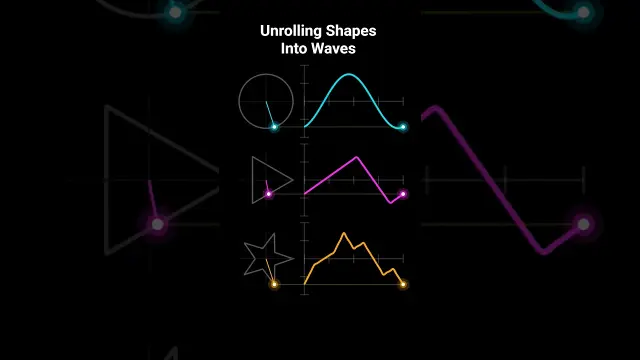
 Transforming Geometric Shapes into Satisfying Wave Functions
#Geometry
26 ideas
Transforming Geometric Shapes into Satisfying Wave Functions
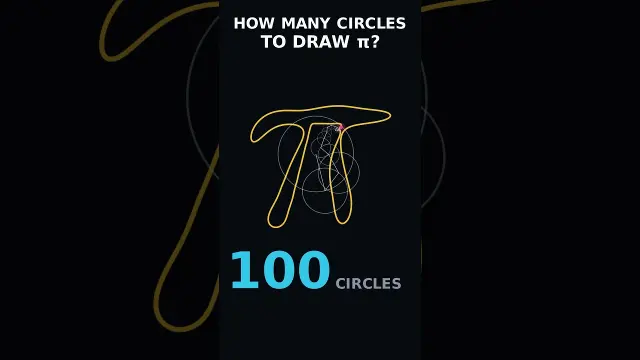 Drawing the Pi Symbol Using Rotating Fourier Series Circles
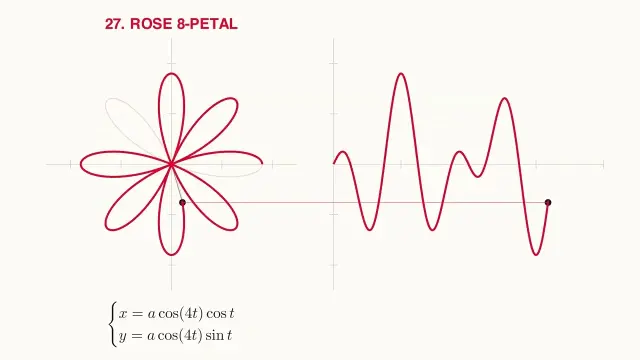 Transforming Mathematical Curves and Shapes into Sound and Art
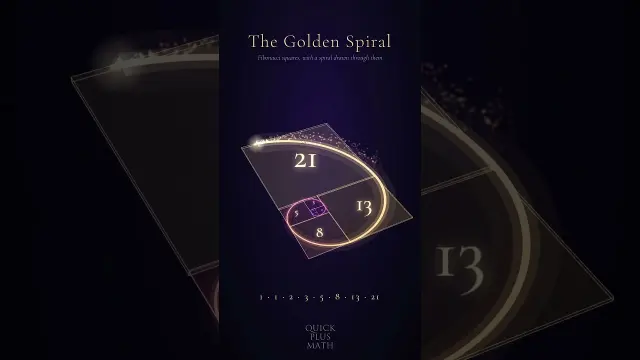 Satisfying 3D Fibonacci Golden Ratio Spiral Loop Simulation
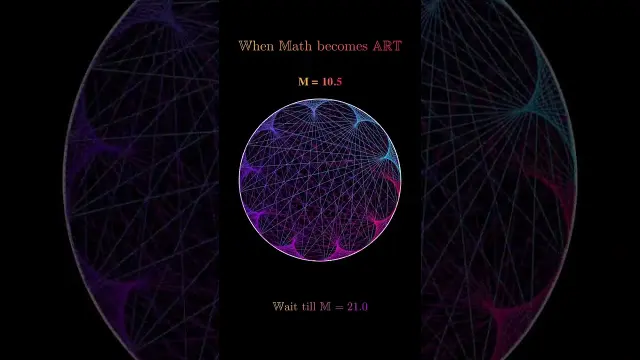 Exploring Multiplication Circle Patterns and Infinite Geometry
 Comprehensive Elementary Math Review Marathon for Children
 The Mathematical Meaning and Constant Ratio Behind Pi
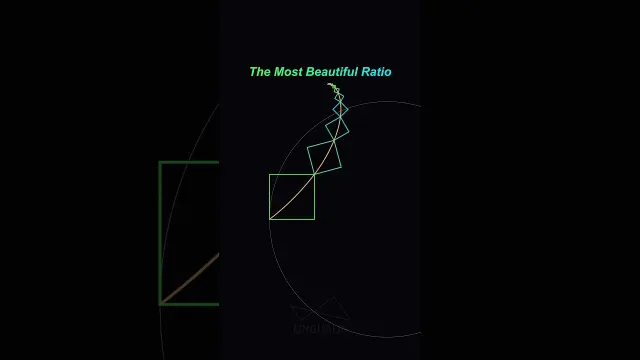 Visualizing the Golden Ratio in Geometry and Art
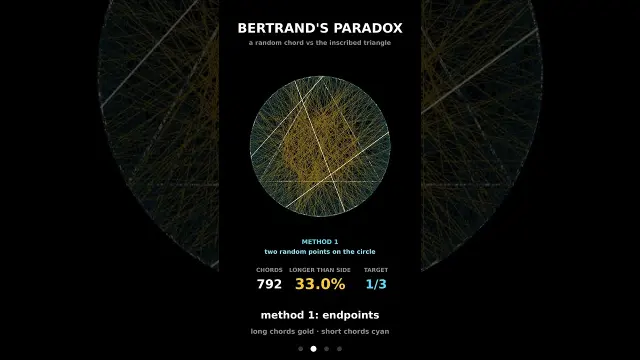 Why Probability Breaks Down in This Simple Circle Geometry Paradox
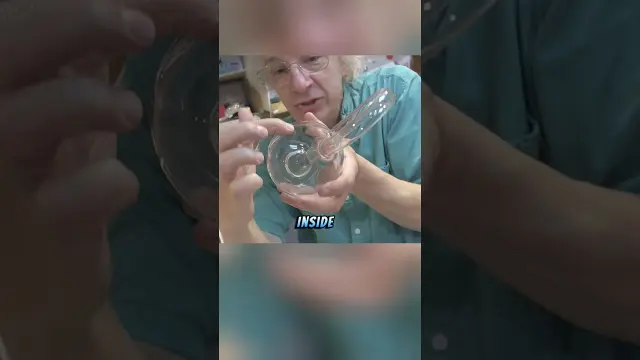 A Klein bottle with no inside or outside
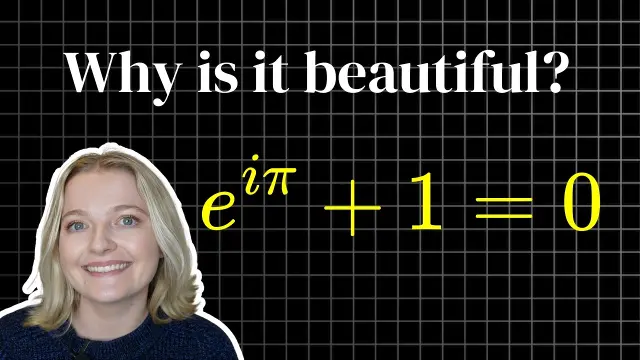 Exploring The Beauty Of Euler's Identity
 One of the World's Greatest Mathematicians Explains Math
 Banach-Tarski paradox and turning one sphere into two
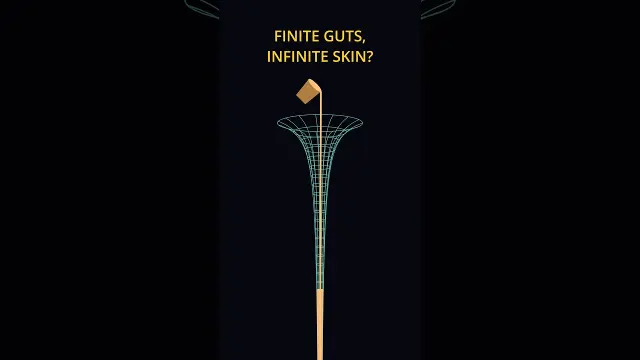 The painter's paradox and why physics changes the result
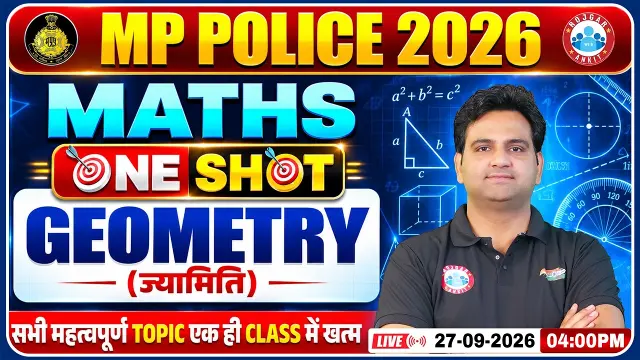 Comprehensive Geometry One Shot Marathon for Exam Preparation
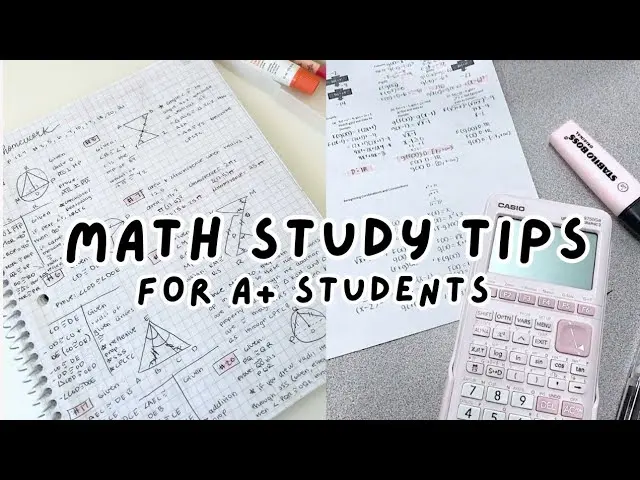 Smart Math Study Strategies and Practice Tips for Better Grades
 The infinite chocolate paradox explained with geometry
 Visualizing The Mechanism Behind Euler's Identity
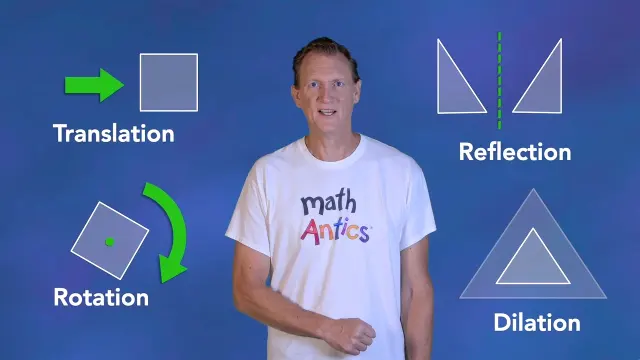 Geometric Transformations Explained Simply
 GED Math Test Practice: 20 Important Questions and Review
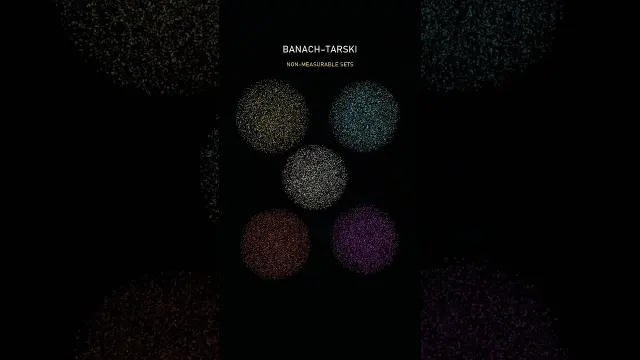 Banach-Tarski paradox and the math of splitting a sphere
 Geometry Practice Questions and Problem Solving Marathon
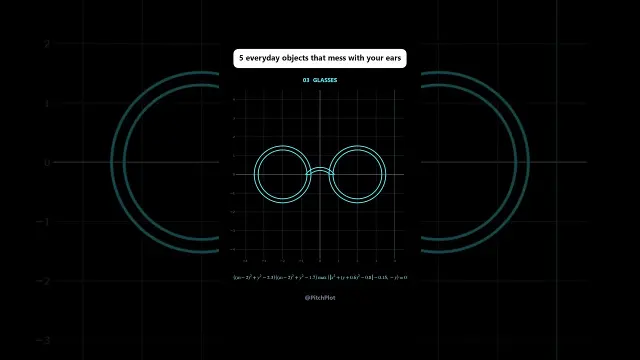 Hearing The Sound Of Everyday Object Equations
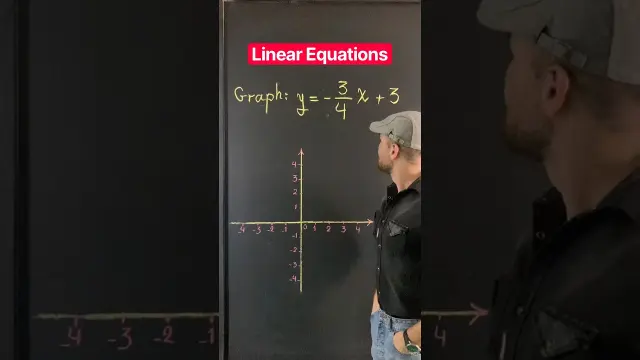 Fast Methods For Graphing Linear Equations
Get new #Geometry ideas by email
Every Thursday: the week's best ideas, with the newest from #Geometry.
Related tags
Geometry: Shapes, Space and Form
Geometry is the branch of mathematics that studies shape, size, position, and space. It helps you understand the world in terms of lines, angles, surfaces, and solid forms. You meet geometry everywhere: in buildings, patterns, craft, art, maps, packaging, and everyday objects. It is both practical and visual, which is why it feels so familiar even before you learn its formal rules.
At its heart, geometry asks simple questions. How long is this line? What is the angle between these two edges? How do the sides of a shape relate to one another? How does a flat figure become a three-dimensional object? From these questions come many of the ideas used in drawing, sewing, construction, design, and navigation.
Main kinds of geometry
There are a few broad areas you may come across:
Read more
- Plane geometry looks at flat shapes such as triangles, circles, rectangles, and polygons.
- Solid geometry studies three-dimensional forms such as cubes, spheres, cones, and cylinders.
- Coordinate geometry uses a grid or axis system to describe position and movement.
- Transformational geometry focuses on turning, flipping, sliding, and resizing shapes.
- Euclidean geometry is the familiar geometry of straight lines, angles, and planes.
Each area has its own way of describing shape, but they are closely connected. If you understand one, the others become easier to follow.
Why geometry matters
Geometry is useful because it turns visual ideas into something you can measure and compare. It helps you plan a room, cut fabric accurately, arrange a pattern, or sketch an object with correct proportions. It also gives structure to decorative work, from repeating motifs to symmetrical layouts.
When you work with geometry in a creative way, you begin to notice relationships: balance, rhythm, repetition, proportion, and contrast. These ideas can make a design feel calm, orderly, bold, or playful.
What beginners should know
If you are new to geometry, start with the basics:
- Learn the names of common shapes and their parts.
- Get familiar with lines, angles, perimeters, areas, and volume.
- Practice drawing clean shapes by hand before moving on to more complex forms.
- Notice how shapes combine to make larger structures.
- Pay attention to symmetry, since it appears often in both nature and design.
It also helps to work step by step. Geometry becomes easier when you break a complex figure into simpler parts. For example, a house shape may be understood as a rectangle with a triangle on top. Many patterns and structures are built from this kind of simple combination.
Practical tips
If you are using geometry in drawing, crafts, or design, precision matters, but so does observation. Measure carefully, check your angles, and keep your lines clear. At the same time, look at how shapes feel together visually. A small change in proportion can change the whole result.
For hand-drawn work, a ruler, compass, and protractor can be very useful. For digital work, grids and guides help keep everything aligned. Whatever your method, geometry rewards patience and practice. The more you work with it, the more natural shapes, space, and structure begin to feel.
Videos come from YouTube and posts from Instagram; titles and summaries are our own. All rights belong to their creators.