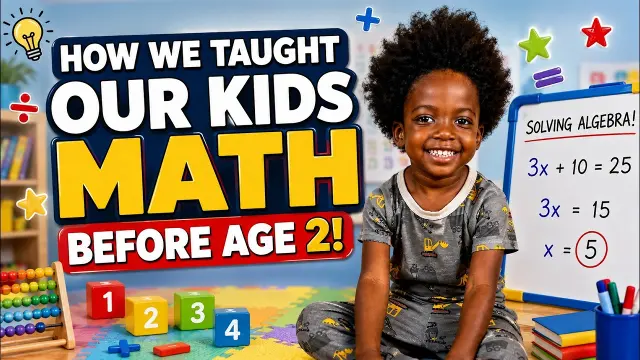
 Step-by-Step Methods for Teaching Young Children Early Math
#Algebra
34 ideas
Step-by-Step Methods for Teaching Young Children Early Math
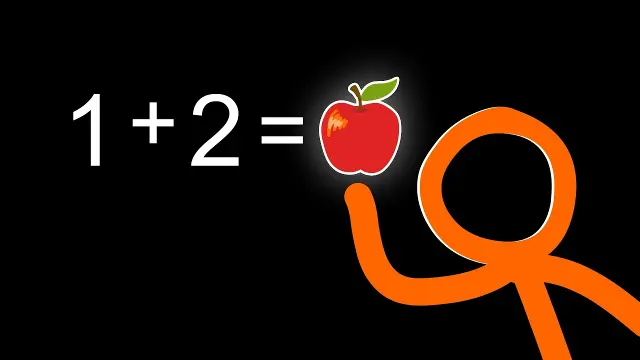 Animation and Mathematical Strategies for Missing Addends
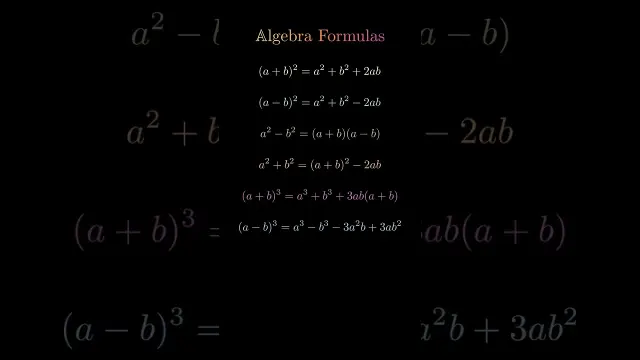 Nine Essential Algebra Formulas And Algebraic Identities
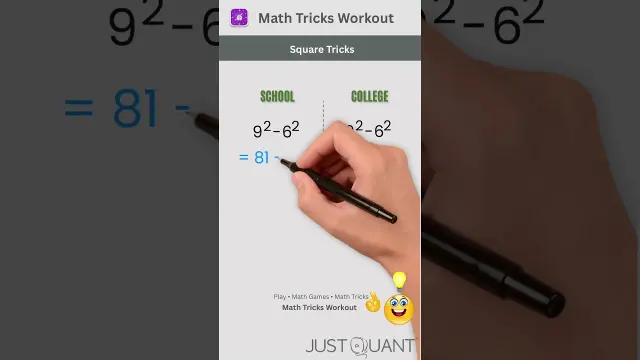 Difference of Squares Shortcut Using Vedic Math
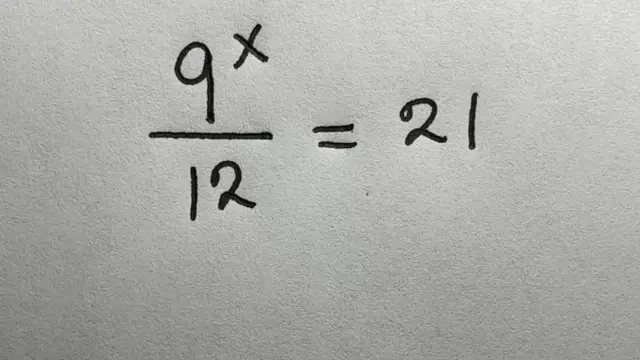 Germany Olympiad Math Equation Solution
 Comprehensive Slow Explanation of Everything in Algebra
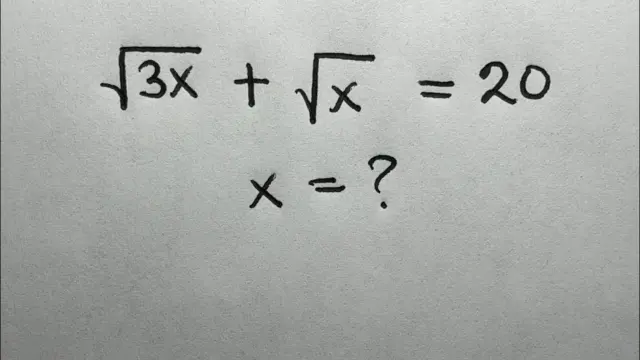 Solve for X in This Exponential Algebra Equation
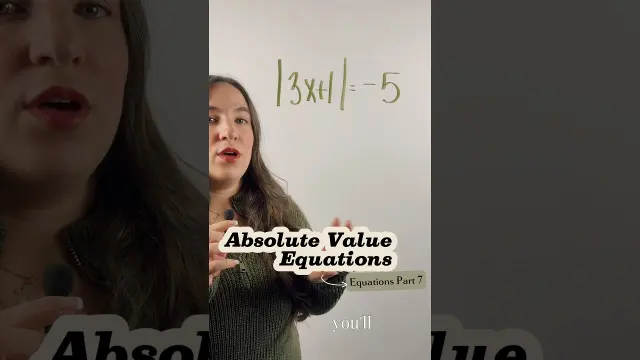 Quick Guide To Solving Absolute Value Equations
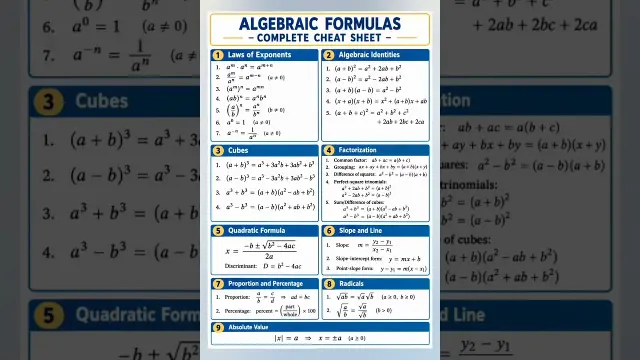 Collection of All Important Algebra Formulas Explained
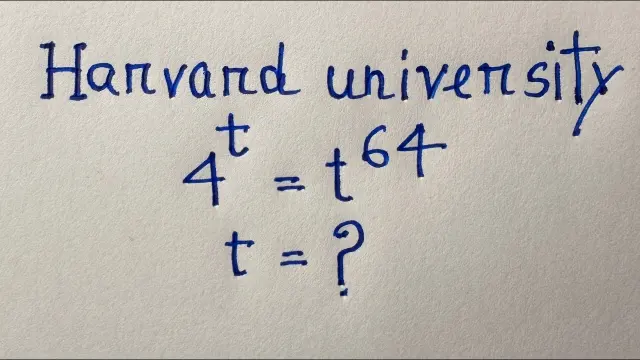 Solving an Exponential Math Olympiad Question Step by Step
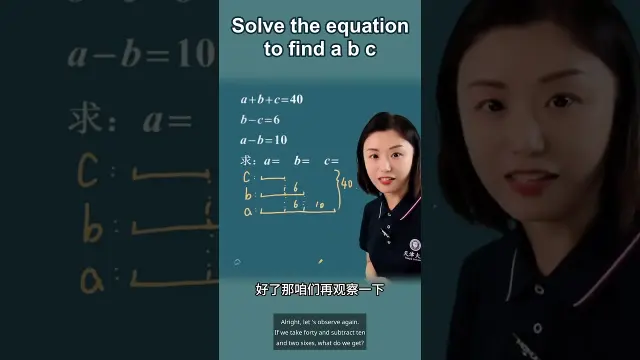 Step-By-Step Solution For Algebraic Variables
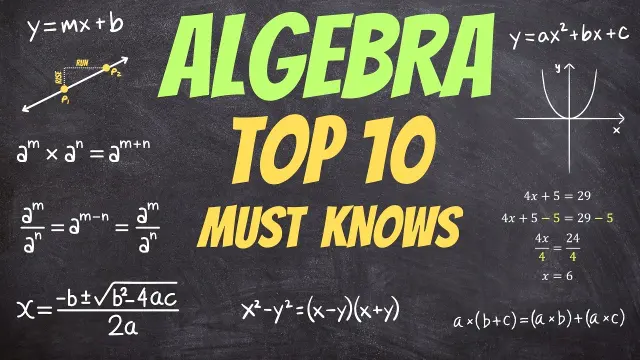 Complete Algebra Study Guide Covering Ten Essential Topics
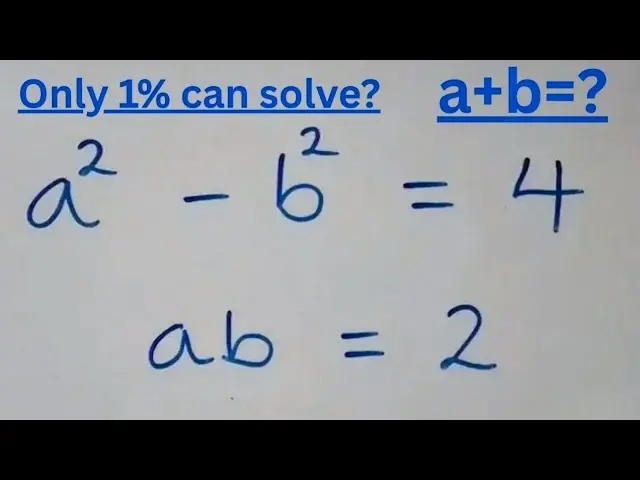 Solving a Difficult Algebra Equation for Math Olympiad
 One of the World's Greatest Mathematicians Explains Math
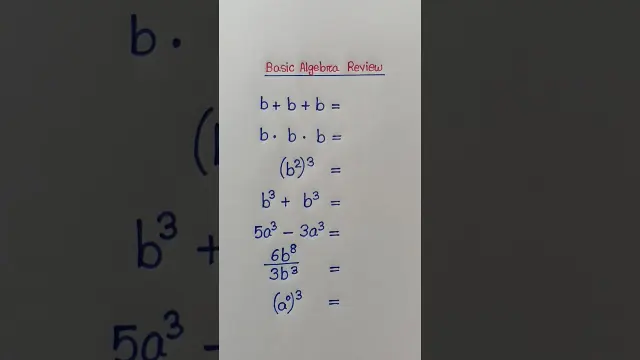 Basic Algebra Tutorial Featuring Essential Math Learner Tips
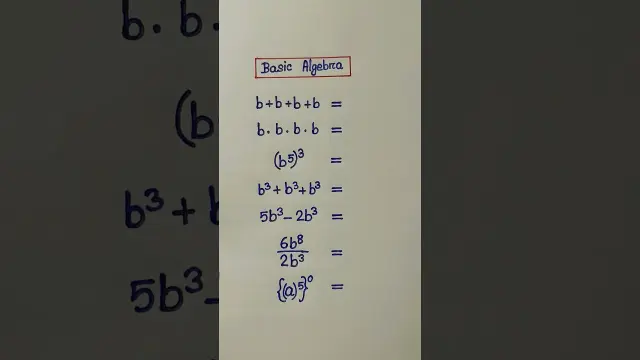 Quick Basic Algebra Lesson Focused on Exponents and Powers
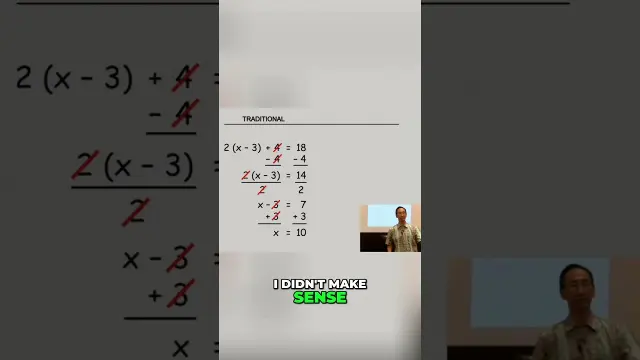 Intuitive Methods For Solving Complex Math Equations
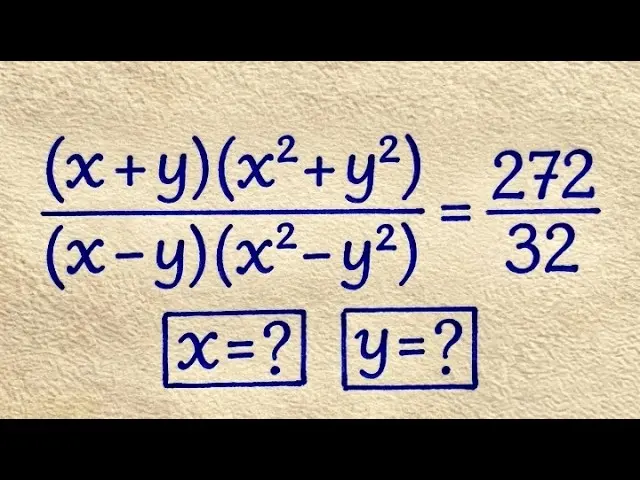 Advanced Algebra Problem for Math Olympiad Preparation
 Advanced Problem Solving For Competition Equations
 Smart Math Study Strategies and Practice Tips for Better Grades
 Five Essential Foundational Math Skills Before Starting Algebra
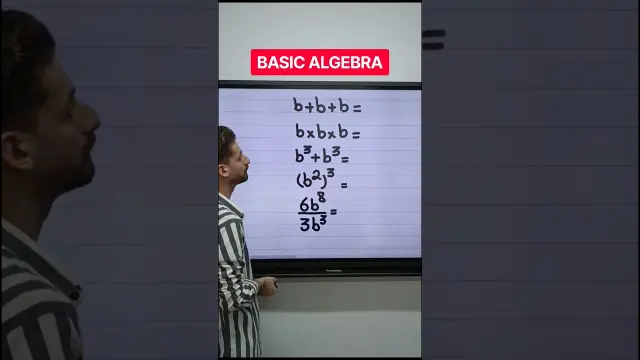 Basic Algebra Practice Challenge to Test Your Skills
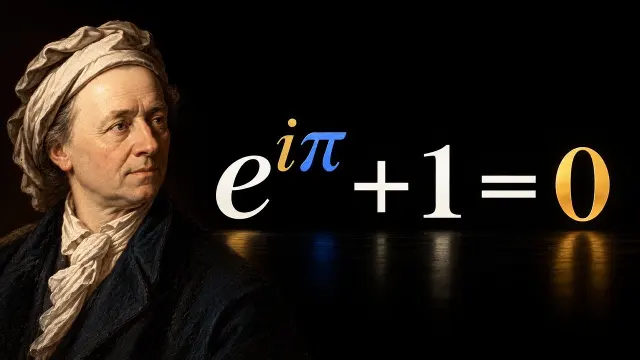 Visualizing The Mechanism Behind Euler's Identity
 Algebra Basics Breakdown of the Language of Algebra
Get new #Algebra ideas by email
Every Thursday: the week's best ideas, with the newest from #Algebra.
Related tags
Algebra: the language of symbols and rules
Algebra is the branch of mathematics that uses letters and symbols to stand for numbers and relationships. Instead of working only with specific values, you learn how to describe patterns, solve for unknowns, and express general rules. That makes algebra useful in math itself, but also in science, engineering, finance, coding, and everyday problem solving.
What algebra is
At its core, algebra is about structure. You may see an expression like 3x + 2, where x is a variable, or an equation like 3x + 2 = 11, where you look for the value that makes the statement true. Algebra helps you move from concrete arithmetic to general reasoning. Once you understand the rules, you can handle many problems with the same methods.
Main types of algebra
Read more
Beginner algebra usually starts with:
- Expressions: combinations of numbers, variables, and operations
- Equations: statements that two expressions are equal
- Inequalities: comparisons using greater than or less than
- Systems of equations: several equations that share unknowns
- Polynomials: expressions built from powers of variables
- Factoring and simplification: rewriting expressions in useful forms
Later, you may meet more advanced areas such as abstract algebra, where the focus moves from solving individual equations to studying mathematical systems and rules more generally.
Common techniques
Some of the most important algebra skills are simple but powerful:
- Simplifying expressions by combining like terms
- Using the distributive property to remove parentheses
- Solving equations by doing the same operation on both sides
- Working with fractions, exponents, and roots carefully
- Factoring expressions to make them easier to solve
- Checking answers by substituting them back into the original equation
A good habit is to keep each step clear. Algebra often becomes difficult when signs are missed or operations are rushed. Neat work helps you see patterns and catch mistakes early.
What beginners should know
If you are new to algebra, focus first on the meaning behind the symbols. A variable is not just a letter; it is a placeholder for a number. An equation is not just a line to solve quickly; it is a balance that must stay equal on both sides. Once that idea feels natural, many rules make more sense.
It also helps to be comfortable with basic arithmetic, especially fractions, negative numbers, and order of operations. Algebra builds on those ideas rather than replacing them.
Practical tips
- Read every symbol carefully, especially minus signs and exponents.
- Write out intermediate steps instead of doing everything in your head.
- If a problem looks complicated, try simplifying it first.
- When possible, estimate the answer before solving.
- Check whether your solution makes sense in the original problem.
Algebra rewards patience. At first, it can feel abstract, but with practice it becomes a flexible way to describe and solve problems. Once you understand its rules, you gain a tool that can be used again and again in many different settings.
Videos come from YouTube and posts from Instagram; titles and summaries are our own. All rights belong to their creators.