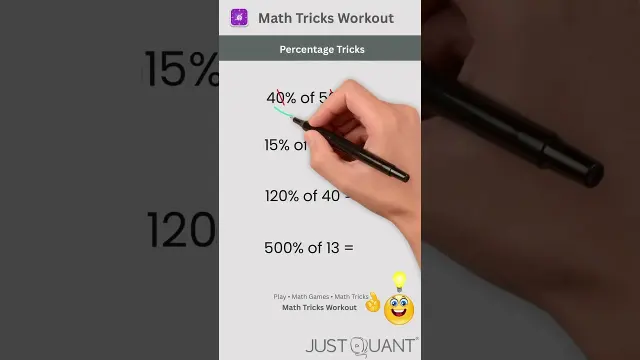
 Zero-Canceling Percentage Trick for Mental Math
#Math Tips
23 ideas
Zero-Canceling Percentage Trick for Mental Math
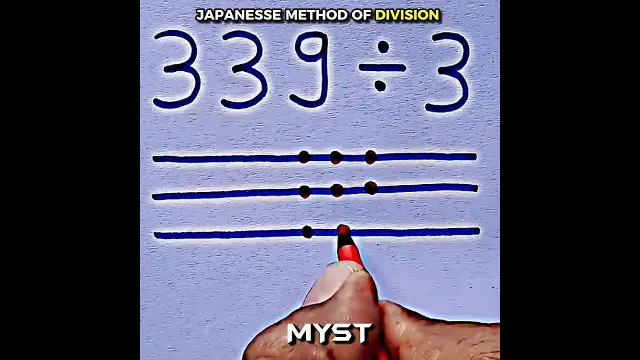 Visual Japanese Line Method for Fast Division
 Effective Math Study Methods Used by Top Achieving Students
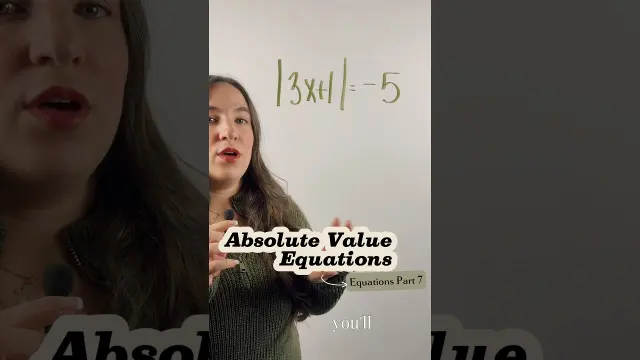 Quick Guide To Solving Absolute Value Equations
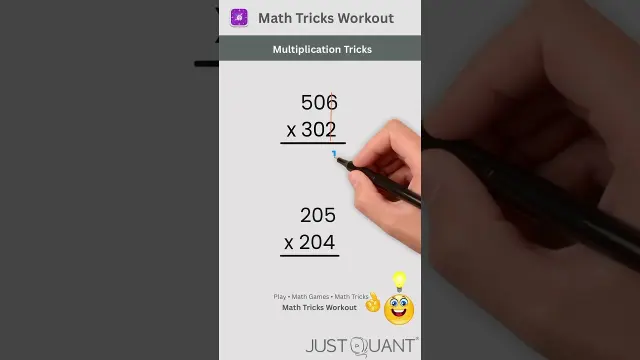 Vedic Math Zero in the Middle Multiplication Shortcut
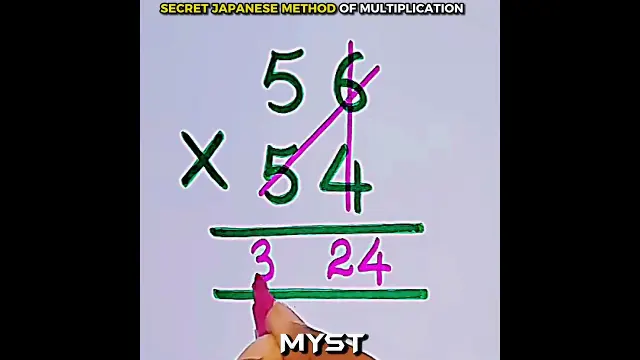 The Japanese Method of Mental Multiplication
 How to Calculate Instantly Using Mental Math Techniques
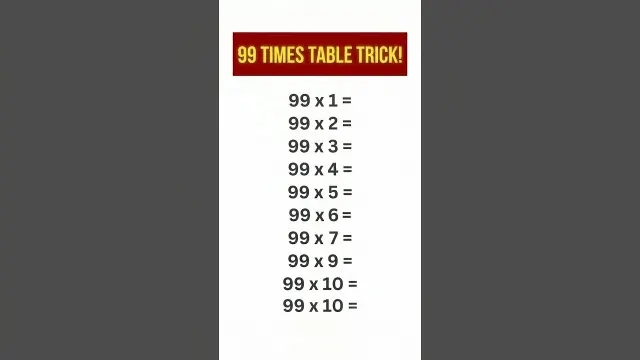 Easy Shortcut for the 99 Times Table in Mental Math
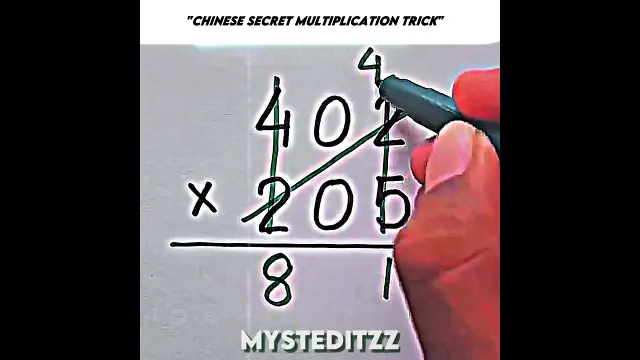 Fast Cross Multiplication Shortcut for Three-Digit Numbers
 Easy Methods for Breaking Down Division Problems
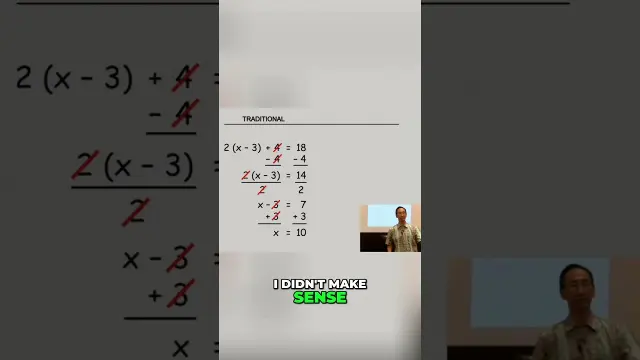 Intuitive Methods For Solving Complex Math Equations
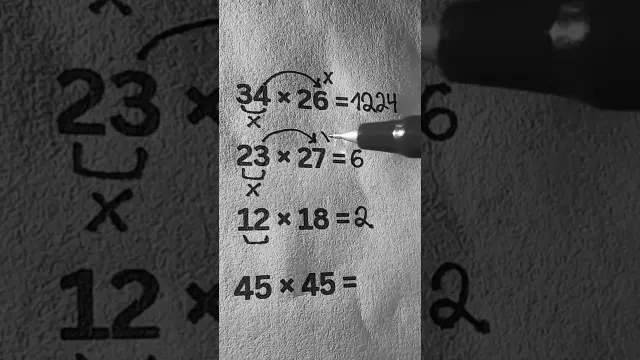 Fast Two-Digit Multiplication Trick in Seconds
 Smart Math Study Strategies and Practice Tips for Better Grades
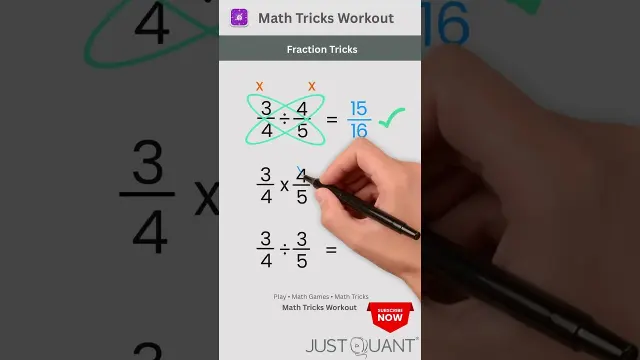 Butterfly Method and Fraction Simplification Tricks
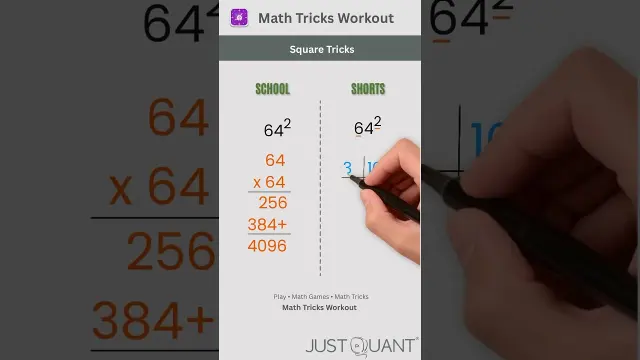 Fast Mental Math Trick for Squaring Two Digit Numbers
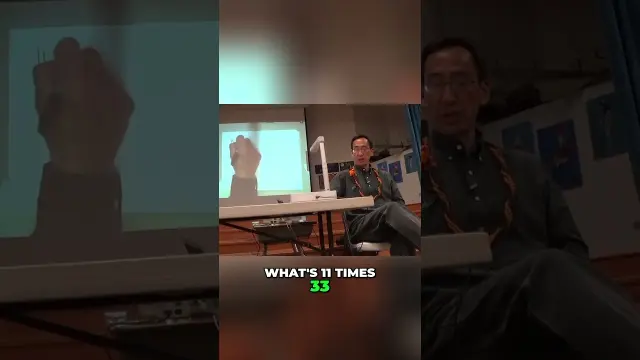 Quick Mental Trick for Multiplying Any Two-Digit Number by Eleven
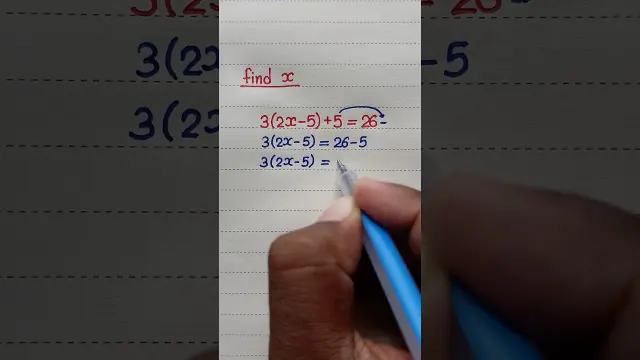 Quick Shortcut Trick For Linear Equations
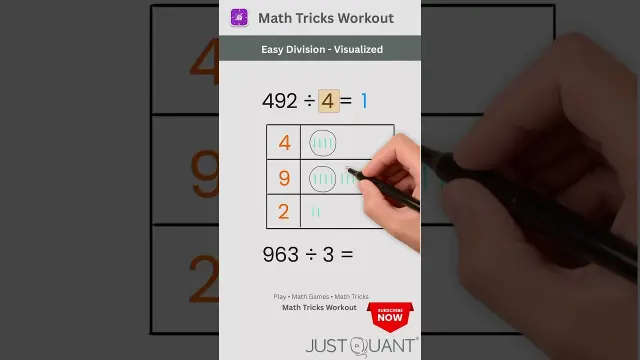 Visual Division Shortcuts for Faster Mental Calculations
 Essential Mental Math Tricks for Faster Calculations
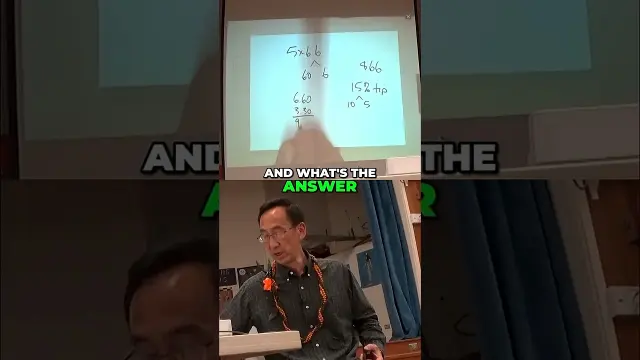 Simple Mental Math Trick for Calculating Tips Quickly
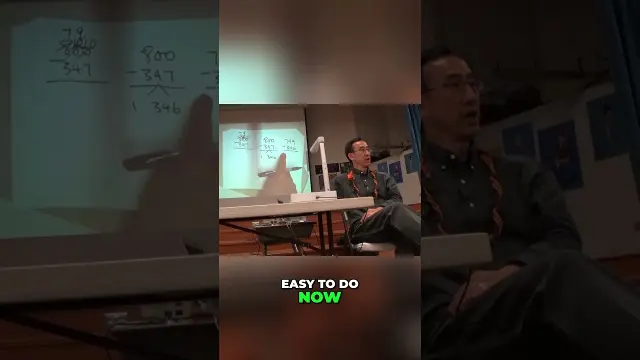 Simplified Subtraction Method to Avoid Borrowing Confusion
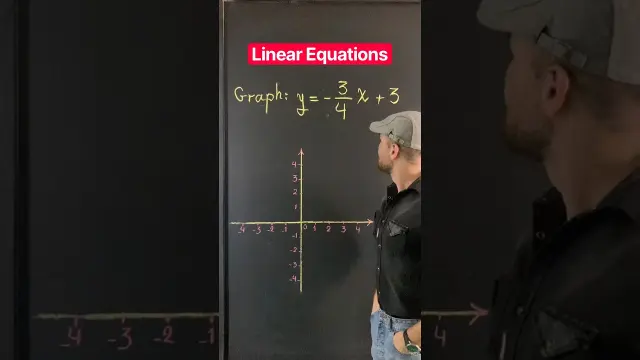 Fast Methods For Graphing Linear Equations
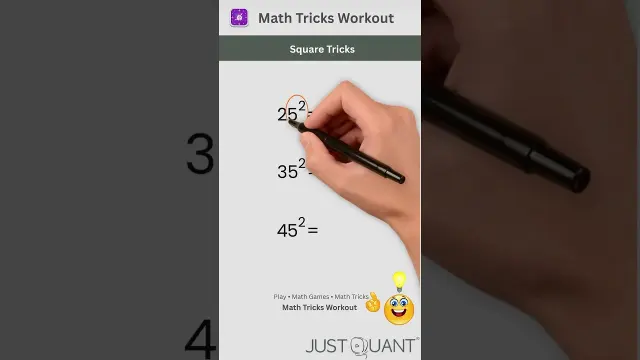 Vedic Math Squaring Shortcut for Numbers Ending in Five
Get new #Math Tips ideas by email
Every Thursday: the week's best ideas, with the newest from #Math Tips.
Related tags
Math Tips for Everyday Problem Solving
Math can feel easier when you have a few reliable habits to lean on. Whether you are working out a bill, measuring ingredients, helping with homework, or just trying to do a quick calculation in your head, small techniques can save time and reduce mistakes. The best math tips are not about doing everything the hard way. They are about choosing a simpler path.
Start with estimation
Before you calculate exactly, it often helps to estimate the answer first. Estimation gives you a sense of whether your final result makes sense. If your exact answer is very different from your estimate, it may be worth checking your steps again.
A useful habit is rounding numbers to make them easier to work with. For example, small changes in the numbers can make a problem much quicker to handle in your head. This is especially helpful when you are dealing with money, measurements, or totals.
Read more
Break problems into smaller steps
Large problems are much easier when you divide them into parts. Instead of trying to solve everything at once, look for smaller calculations you already know how to do. This works well with multiplication, division, fractions, and word problems.
You can also separate a problem by place value. For example, think of tens, ones, and hundreds on their own. Breaking a problem apart often makes the logic clearer and lowers the chance of getting lost.
Use patterns and shortcuts
Many math problems become simpler once you notice patterns. For example, some numbers are easy to pair, some totals are easier to build from round numbers, and some operations can be rearranged to make them less awkward.
A common strategy is to work with numbers that are near a friendly benchmark, such as 10, 100, or 1,000. If a calculation looks difficult, ask yourself whether you can move a little from one number to another to make the problem cleaner.
Know a few fraction and percentage basics
Fractions and percentages appear often in everyday life. It helps to be comfortable with common relationships, such as halves, quarters, and thirds. If you understand how fractions relate to division and how percentages relate to parts of a whole, you can approach many problems with more confidence.
When working with percentages, it is often easier to find 10 percent first and then build from there. Simple percentage thinking is useful for shopping, budgeting, and comparing amounts.
Check your work
One of the most valuable math habits is checking your answer. A quick review can catch small slips in addition, subtraction, signs, or copying numbers. If possible, use a different method to confirm your result. For example, estimate first, calculate second, and then see whether the two answers agree.
If your answer seems unreasonable, do not assume you are bad at math. Usually it just means one step needs another look.
Practice with everyday situations
Math becomes more natural when you use it regularly. Try applying it in small daily moments: counting change, dividing a recipe, measuring fabric, or working out time and distance. Real situations make the ideas feel practical instead of abstract.
The most helpful math tips are often the simplest ones: slow down, look for a pattern, and choose the easiest route to the answer. With steady practice, everyday calculations become much more manageable.
Videos come from YouTube and posts from Instagram; titles and summaries are our own. All rights belong to their creators.